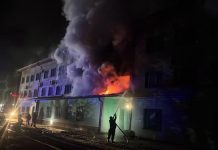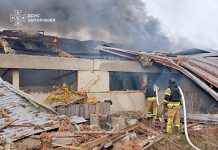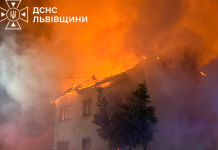
On the evening of 29 August, Russian troops attacked a Shahed warehouse belonging to a food manufacturing company in the Mykolaiv district. According to local media reports, the facility belongs to Sandora, a subsidiary of PepsiCo. A major fire broke out following the strike; there may be shortages of certain products, although there have been no reports of a complete halt to sales of Pepsi or Lipton.
Briefly about the main points
- In the Mykolaiv district, a Shahed struck the premises of a food production plant.
- Local media have linked the targeted facility to Sandora’s infrastructure.
- The fire was extinguished intermittently due to the risk of further explosions.
- This could result in immediate delays to shipments and a more limited product range.
- The company has not announced that it has completely stopped selling PepsiCo brands.
The fire at the warehouse was put out intermittently due to the threat of further strikes
The local authorities have confirmed damage to the warehouse food industry businesses. Rescue workers were forced to temporarily suspend their operations due to the threat of further attacks.
Local media reported significant damage to the warehouse and provisionally identified it as a Sandora facility. The company is part of the American PepsiCo since 2007.
PepsiCo has production sites in the Mykolaiv and Kyiv regions
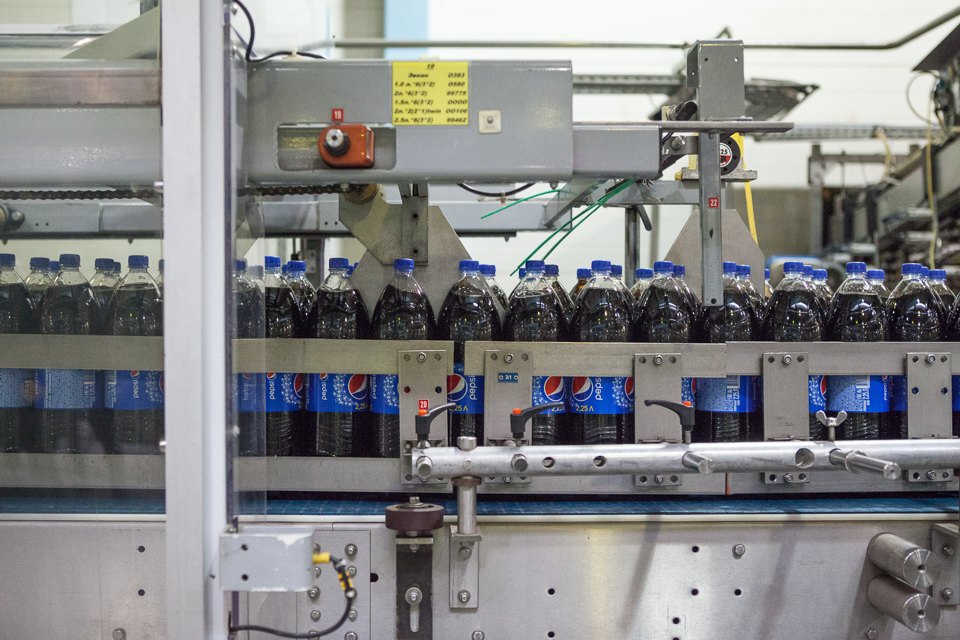
PepsiCo has three production facilities in Ukraine: two in the Mykolaiv region, where it produces drinks and snacks, and a plant in the Kyiv region. The group’s portfolio includes Pepsi, 7UP, Mirinda, Lipton Ice Tea, Sandora and «Sadochek» juices, as well as Lay’s, Cheetos and Doritos.
The company is one of the major beverage manufacturers on the Ukrainian market. However, it has not been established exactly which product categories were handled at the warehouse that was attacked.
Supplies may be redirected via other production facilities and imports
Damage to warehouse infrastructure may, first and foremost, affect stock levels, dispatch and the distribution of goods across the regions. Should the recovery take longer than expected, there may be temporary delays to deliveries or a reduction in the range of certain items.
Following the start of the full-scale invasion, PepsiCo had already shut down its operations in Mykolaiv, relocated part of its production of Sandora and «Sadok» juices to Vyshneve, and was importing some of its products from neighbouring countries. In particular, Pepsi was sourcing supplies from Poland.
The existence of other sites and the company’s experience with imports enable it to adjust its logistics, but do not determine the scale of the impact of the current attack.
The strike took place against a backdrop of attacks on trade and food logistics
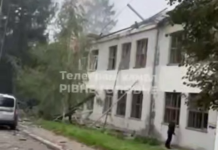
In recent days, Russian strikes have also damaged retail chains’ warehouses, food distribution centres and other civilian logistics facilities. The Minister of Agricultural Policy Taras Vysotsky estimated the losses incurred by traditional logistics in food retail chains at approximately 90%.
This assessment relates to the logistics infrastructure, rather than an actual shortage of food: companies are switching to alternative routes and direct deliveries. The actual impact of the strike on PepsiCo’s production and shipments will depend on the extent of the damage to the warehouse and the company’s subsequent decisions.