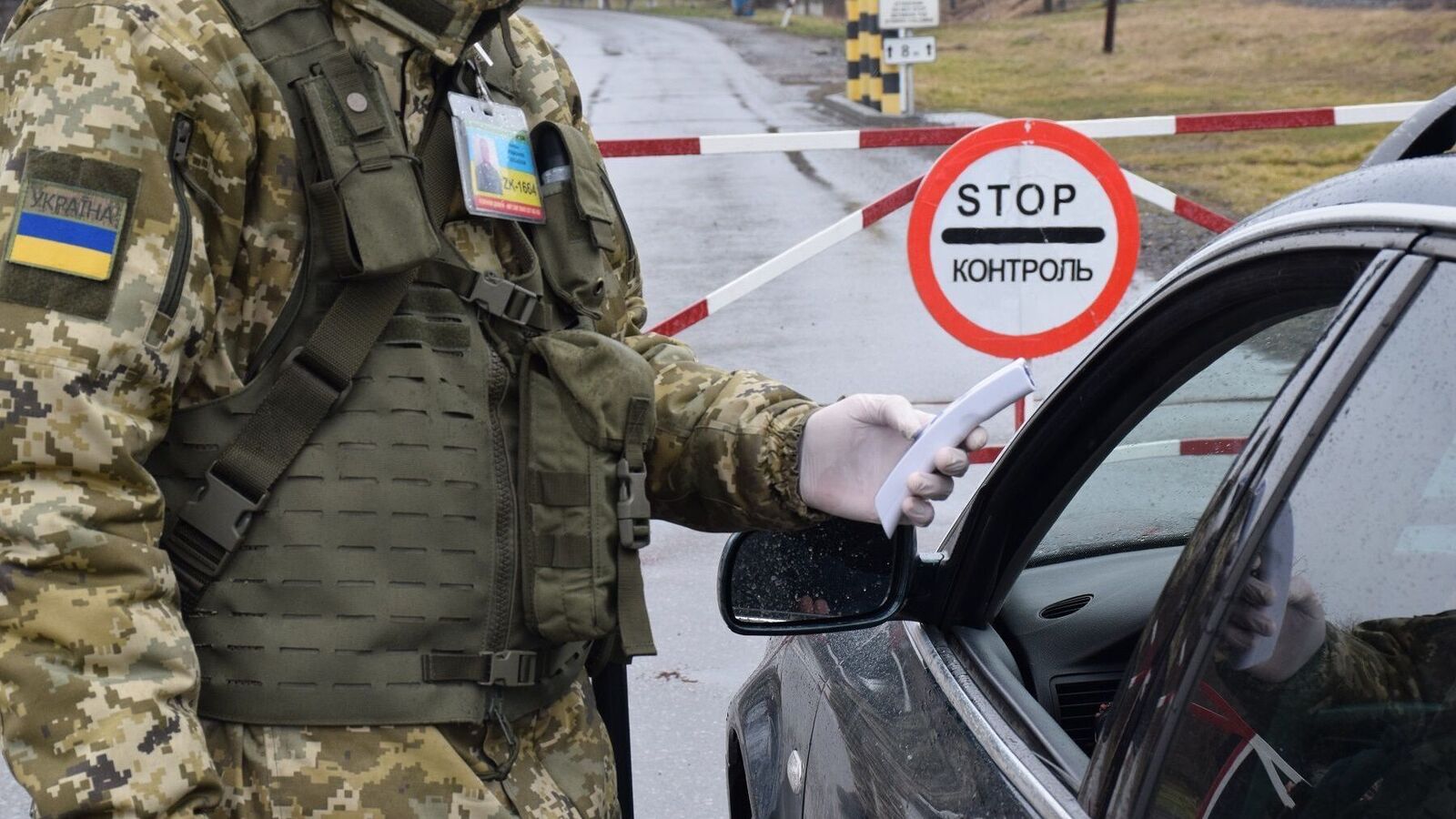
The US and a number of European countries are updating or maintaining their travel advisories for Ukraine amid an intensification of Russian air strikes. Washington has maintained the highest risk level for the country, whilst the Netherlands has advised its citizens already in Ukraine to leave if possible. The UK and Germany have also highlighted the risks of disruptions to essential services during the winter months.
Briefly about the main points
- The US has maintained the highest risk level, Level 4, for Ukraine.
- The Netherlands advises against travelling to Ukraine under any circumstances.
- Italy is urging its citizens in Ukraine to take immediate shelter during air raid alerts.
- The UK is assessing the risk of power cuts and associated disruptions this winter.
- Germany points out that the air threat also persists in the western regions.
The US is restricting travel and consular assistance
On 28 August, the US State Department updated recommendations for Ukraine, whilst maintaining Level 4: Do Not Travel. Americans are advised not to travel to the country for any reason due to the Russia-Ukraine war.
Washington points out separately that the embassy’s ability to assist US citizens outside Kyiv is limited. US civil servants are only permitted to travel outside the capital with special authorisation.
The Netherlands and Italy use the strongest wording
The Dutch Ministry of Foreign Affairs has designated the whole of Ukraine as a red zone, stating that travel should be avoided under all circumstances. Dutch nationals currently in Ukraine are being advised to leave the country, provided it can be done safely. The department also warns that, in the event of an emergency, the embassy may not be able to provide assistance.
The Italian Embassy in Kyiv strongly advises against any travel to Ukraine, regardless of the purpose. Italians remaining in the country are advised to take air raid alerts seriously, proceed immediately to shelters and follow the instructions of the local authorities.
The UK tailors its advice according to the region
The UK is not advising its citizens to leave Ukraine as a whole. For those in regions where travel is completely banned, London recommends leaving those areas if it is safe to do so. In some western regions, the ‘essential travel only’ restrictions remain in place.
The British Foreign Office reports an increase in Russian military activity over the past year. According to the FCDO, over the past three months Russia has, on average, launched more than 5,000 drones and over 100 missiles each month, and in July it fired around 150 ballistic missiles. The department also states that the monthly figures for civilian casualties during this period were the highest since spring 2022.
Governments are warning of the impact of the strikes on everyday life during the winter
The British side believes that the new attacks on the power grid can lead to both emergency and scheduled power cuts. This can disrupt central heating, water supply, communications, transport and the operation of other infrastructure. During some winter periods, temperatures in Ukraine can drop below -20°C.
British people are advised to stock up on water and food, ensure their communication devices are fully charged, and have warm clothing and sleeping bags to hand, as well as to keep an eye on the power cut schedules. The German Foreign Office acknowledges that disruptions to electricity, heating, gas and water supplies may last several days, and in some cases several weeks. Italy has announced further deliveries of generators to Ukraine to support the population and maintain the stability of the power grid.
Germany also points to a threat to the western regions
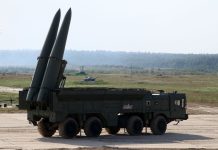
Berlin is maintaining its official travel advisory against travel to Ukraine and notes that missiles, cruise missiles and drones are being used throughout the country, including against civilian buildings and infrastructure. The reduced intensity of the attacks does not eliminate the threat to the Lviv, Ivano-Frankivsk, Chernivtsi, Zakarpattia, Ternopil, Volyn and Rivne regions, which are regularly targeted by cruise missiles and long-range drones.
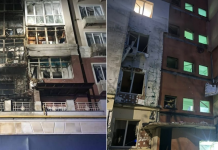
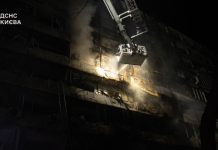
The tightening of the recommendations is taking place against a backdrop of virtually Russia’s relentless attacks in recent days on Kyiv, the Kyiv region and other regions. Conventional and jet-powered attack drones, ballistic and other missiles are being used in the strikes; the targets include power stations, transport hubs, warehouses, logistics centres and civilian infrastructure.