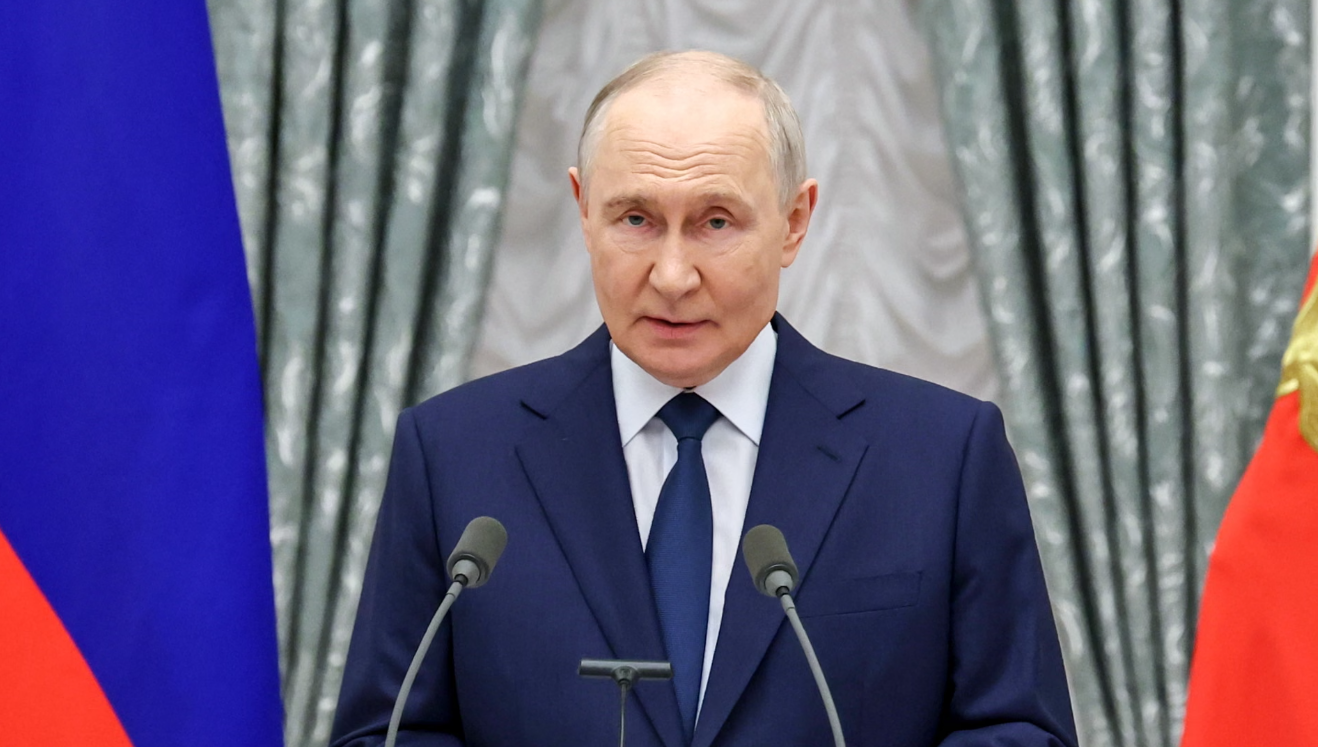
The United States has invited Vladimir Putin to the G20 summit, scheduled for December in Miami. Secretary of State Marco Rubio announced this following talks with Russian Foreign Minister Sergey Lavrov in New York. The Kremlin has not publicly responded to the invitation, which may cause concern in Ukraine and among European nations.
Briefly about the main points
- Rubio announced the invitation following a meeting with Lavrov in New York.
- Washington regards the G20 as a forum for Putin’s interactions with other leaders.
- Zelenskyy is prepared to travel there and meet with Putin in his presence.
- At the same time, Trump is pushing for an agreement on an energy truce.
- Congress has granted Trump new tariff powers in relation to buyers of Russian energy.
Washington has described the G20 as a forum for dialogue with the Russian leader
Rubio. said that the administration Donald Trump sees the meeting as an opportunity to Putin to engage not only with the US President, but also with other world leaders. According to him, in order to resolve problems, it is necessary to talk even to those with whom there are differences of opinion.
Russia remains a member of the G20. Putin last attended a G20 summit in person in 2019, and in 2023 he took part in one meeting remotely. Rubio added, that Trump also does not rule out bilateral talks with him in a different format, provided there is a specific objective for them.
Zelenskyy has said he is ready for the meeting; Europe had previously protested
Volodymyr Zelenskyy had previously stated that he was prepared to attend the summit and meet with Putin, provided the Russian president was there. In an interview with Deutsche Welle, he emphasised that the priority should be on reaching decisions, rather than on the mere fact of holding talks.
In his address to the UN, Zelenskyy called on partners to curb Russia’s revenues and warned that the war could spread beyond Ukraine’s borders if Putin is not stopped. Rubio said that he had raised the issue with Laurel the issue of Russia’s allegations regarding hybrid attacks in Europe.
European officials have already expressed their disapproval of the participation of Russian representatives in G20 forums: in August, they refused to pose for a group photograph with Russian Finance Minister Anton Siluanov at a meeting of leading economic officials.
Trump is discussing with Kyiv a halt to attacks on the energy sector
Trump is trying to broker a partial ceasefire between Russia and Ukraine regarding strikes on Russian oil refineries. He has called on Zelenskyy to halt attacks on Russian oil infrastructure, citing rising diesel prices in the US.
During a face-to-face meeting on the sidelines of the UN Trump and Zelensky They discussed ways to bring the war to an end and an energy truce. The Ukrainian president proposed holding a trilateral meeting with Trump and Putin; however, the Kremlin had previously rejected attempts at direct contact with Zelenskyy.
Amid diplomatic talks, Russia continued its attacks on Kyiv
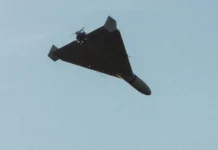
Despite the negotiations, Russia has continued its drone and missile attacks on Kyiv and other major cities in Ukraine. In recent days The capital was attacked by jet-powered drones Shahed drones, which are faster and more difficult to intercept; the raids took place both during the day and at night.
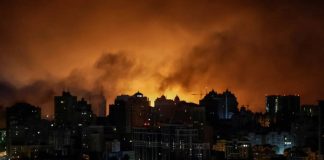
According to the Mayor of Kyiv, Vitali Klitschko, a petrol station, warehouses, a business centre and a transport infrastructure facility were hit in the city. As of mid-morning, one person was reported dead and eight injured. Ukraine also struck a large Russian oil refinery.
The US sanctions bill has intensified the debate over policy towards Moscow
Last week, Congress passed a far-reaching sanctions legislation regarding Russia. It grants Trump the power to impose 100 per cent tariffs on the largest buyers of Russian energy exports, notably China and India.
The Democrats, most of whom did not support the bill, argued that it granted the President excessively broad tariff powers, which could also be used against US allies. The House of Representatives Committee on Foreign Affairs criticised the administration’s position, stating that it had no intention of isolating Russia over its war against Ukraine.