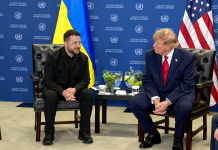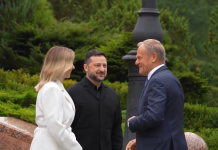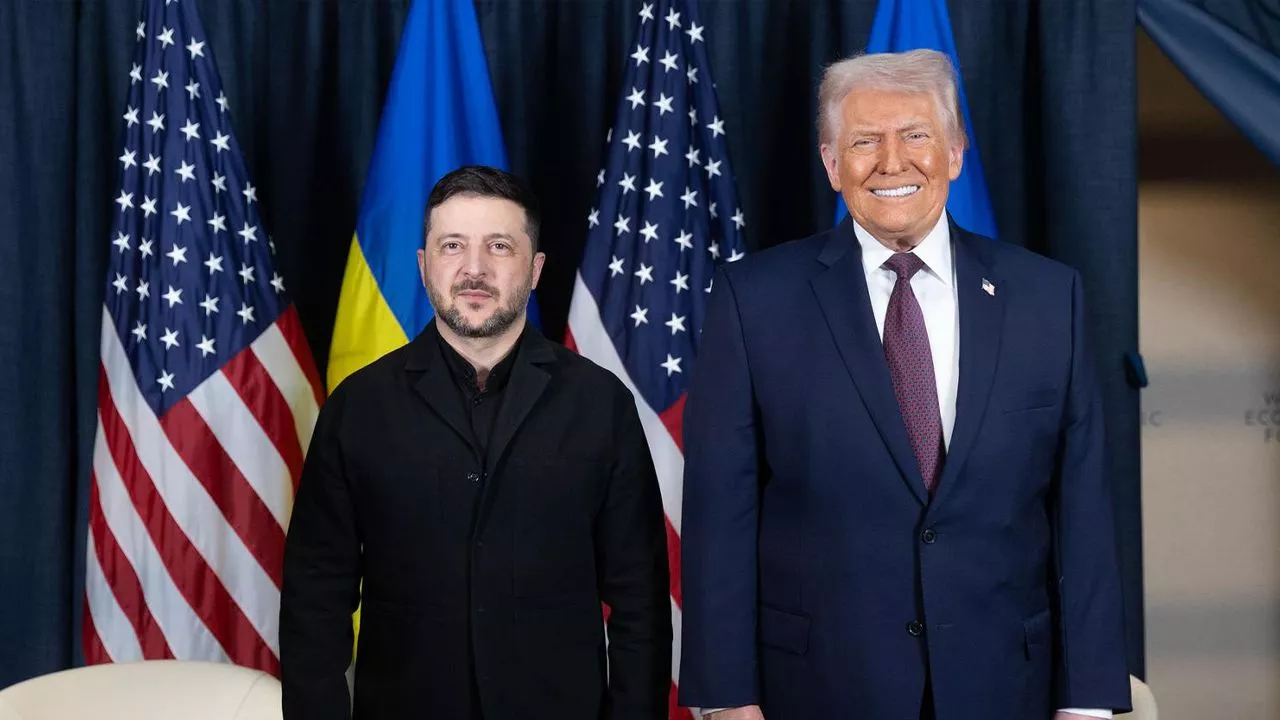
On 22 September, Volodymyr Zelenskyy and Donald Trump held talks lasting around 40 minutes on the sidelines of the 81st session of the UN General Assembly in New York. The key topics discussed were a possible mutual cessation of attacks on energy infrastructure, ending the war, Ukraine’s winter air defence, Patriot missiles and the prospect of a trilateral meeting between Zelenskyy, Trump and Vladimir Putin. However, no peace agreement, date for talks with Russia or new Patriot package was publicly announced following the meeting.
• Zelenskyy and Trump want to make progress on the diplomatic front before the start of winter.
• Ukraine is prepared to mutually cease attacks on the energy sector, but not to unilaterally refrain from attacking Russian oil refineries.
• The parties discussed the winter air defence package and the Patriot missiles.
• Zelenskyy confirmed his willingness to meet with Putin in the presence of Trump.
• There is as yet no specific date for the trilateral talks or for new deliveries of Patriot systems.
The meeting lasted about 40 minutes
The talks took place at the UN headquarters in New York. The US delegation included, in addition to Trump, his key negotiators joined him Steve Witkoff і Jared Kushner, which previously visited Kyiv, as well as representatives of the US administration. Reuters reports that the closed-door part of the meeting lasted around 40 minutes.
Before the talks began, Trump stated that he had a «very strong» relationship with Zelenskyy and believed it was possible to find a solution to the war. At the same time, he did not disclose what the terms of a possible agreement between Ukraine and Russia might be.
Zelensky He immediately highlighted the time factor: Kyiv is seeking to make diplomatic progress before the start of winter, at a time when the risk of a new Russian campaign against Ukraine’s energy sector is rising sharply.
«Both the United States and Ukraine want this senseless Russian war to end before winter.».
In response, Trump also emphasised separately the importance of the winter deadline.
The main diplomatic issue is a mutual «energy truce»
One of the central themes was the idea a halt to attacks on energy infrastructure.
Following the talks, Zelenskyy stated that Ukraine is prepared to consider any form of mutual energy truce with Russia. The principle is as follows: Ukraine will cease strikes on Russian energy facilities if Moscow stops attacking Ukraine’s electricity, heating and water supply networks and other critical infrastructure.
«We are ready for an energy truce,» Zelenskyy said after the meeting.
The President of Ukraine specifically emphasised that, during the meeting There was no mention of a unilateral halt to Ukrainian strikes on Russian oil refineries. According to his reasoning, Ukraine is launching retaliatory strikes in response to Russian attacks and is prepared to stop only on a reciprocal basis.
This is an important clarification, as prior to the meeting Trump had already publicly expressed concern about Ukrainian strikes on Russian oil refineries due to their potential impact on global diesel prices.
Trump acknowledged that the strikes on the oil refinery were a blow to Russia
During the public part of the meeting, journalists asked Trump directly about Ukrainian attacks on Russian oil refineries.
The US President has acknowledged that this «a »serious blow’ to Russia, but he immediately added that he also sees a negative impact on the global fuel market — primarily due to high diesel prices.
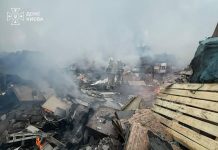
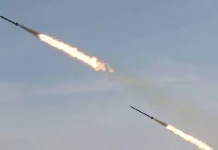
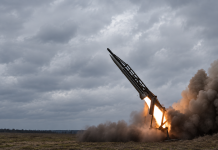
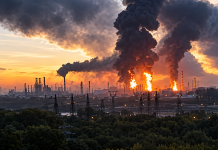
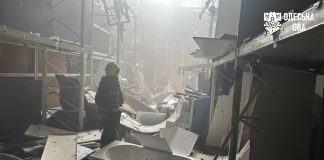
This issue is also important because Ukrainian long-range strikes in recent weeks have hit a number of major Russian oil refineries, whilst Russia itself continued to attack Ukrainian energy and industrial facilities at the same time. On the eve of the meeting, Ukraine once again attacked Russian oil refineries, whilst Russia carried out a large-scale missile and drone strike on Ukrainian regions.
So, in fact, the proposal on the table was not «Ukraine will stop targeting Russian oil», but a mutual agreement by the parties to refrain from striking a specific category of energy targets. There was no public confirmation following the meeting that Moscow had agreed to such an arrangement.
Patriot and the defence of Ukraine in winter
The second major area of the talks is air and missile defence.
The President’s Office has announced that Zelenskyy and Trump discussed Winter air defence package for Ukraine. Kyiv also thanked the US for continuing to explore the possibility of producing interceptor missiles for the Patriot system in Ukraine.
This issue has two different timeframes.
The first is urgent: Ukraine needs additional Patriot missiles as early as this winter, to counter Russian ballistic missile strikes. The second is strategic: to obtain US licences and establish our own or joint production of interceptors in the future.
Following the meeting, Zelenskyy stated that he had not yet received any specific commitment regarding a new batch of American missiles. At the same time, he described it as a positive sign that Washington had not rejected the option proposed by Kyiv.
Ukraine had previously proposed receiving some of the missiles from US stocks now, and making up for them with future deliveries at a later date. Zelenskyy also announced an agreement with Germany regarding hundreds of PAC-2 missiles in 2027–2028; the German government has publicly confirmed the agreement on several hundred missiles, but did not confirm the exact figure of 600.
So, following the New York meeting The new Patriot package has not been announced, but negotiations regarding short-term supplies and long-term production are ongoing.
Zelenskyy is ready for a trilateral meeting with Putin
Separately, the parties discussed the possibility of a direct political negotiation format involving the three presidents — Zelenskyy, Trump and Putin.
Following the meeting, Zelenskyy stated that he was ready for such a format at any time, provided the other parties also agreed.
«I’m ready,» he replied when asked about a face-to-face meeting with Putin.
Kyiv sees the trilateral format as an opportunity to raise issues at leadership level that are difficult for technical delegations to resolve.
The G20 summit in Miami had previously been mentioned as one of the possible venues. When asked about this scenario, Trump replied that he did not know whether the meeting would take place there, but stated that, in his view, Putin was prepared to meet.
At the same time There is no date set for the tripartite meeting, whilst Russia did not publicly agree to the format proposed by Kyiv.
Did they discuss the territories?
Yes — but without the result being announced.
At the start of the meeting, a journalist asked Trump whether he still believed that Ukraine was capable of regaining all its occupied territory, and what, in his view, Kyiv should be prepared to give up in the interests of peace.
Trump did not specify any particular territorial conditions.
He said he was expecting some sort of agreement, but did not wish to speak publicly about its content, as he was discussing these matters with both Zelenskyy and Putin. At the same time, the US President spoke highly of the Ukrainian forces’ ability to fight and of the Ukrainian leadership.
This means that, following the meeting, No new US position on the borders was announced, nor was Ukraine’s agreement to make territorial concessions.
Any other interpretation would go beyond what the parties have stated publicly.
Sanctions against Russia remain a means of exerting pressure
Even before the closed-door session, Zelenskyy thanked Trump for the signing of the law, relating to the senator’s initiative Lindsay Graham, which expands the US administration’s scope to apply tariff pressure.
On the same day, during his address to the UN General Assembly, Trump stated that he had been granted new powers and was prepared to use them «if necessary» to exert pressure in the context of the Russian-Ukrainian war.
However, the White House, following the meeting did not announce a new package of sanctions specifically as a result of the talks with Zelenskyy.
Sanctions therefore remain part of Washington’s diplomatic pressure, but no new separate decision was publicly announced on 22 September.
What was actually decided
After the negotiations, it is important to share agreements on future work and specific, fully developed solutions.
The parties confirmed their intention to work on de-escalation measures before winter. Work is continuing on the winter air defence package and the project to manufacture Patriot interceptors in Ukraine. Kyiv has confirmed its readiness for a mutual energy truce and for trilateral talks involving Putin.
At the same time was not announced on the signing of a peace framework, the date of the meeting between Zelenskyy and Putin, a ceasefire, Ukraine’s unilateral suspension of strikes on Russian oil refineries, or the approval of a specific new number of Patriot missiles.
In other words, the meeting identified several areas in which the teams should move forward, but most of the key issues remain to be negotiated.
The next meeting between the US and Russia is scheduled for 23 September
The diplomatic process is continuing today.
US Secretary of State Marco Rubio is due to meet the Russian Foreign Minister in New York Sergey Lavrov. The US State Department announced the meeting on the evening of 22 September.
This meeting will take place immediately after Trump’s talks with Zelenskyy, so the issues of a possible energy truce and the resumption of political dialogue are highly likely to remain at the heart of US diplomacy.
At the same time, Reuters notes that Moscow had previously stated that hostilities would not cease automatically, even if negotiations were to continue.
What does a gathering on the eve of winter mean?
The main practical context of the negotiations is the approaching cold season.
Kyiv is bracing for further Russian strikes on its energy infrastructure whilst simultaneously seeking to strengthen its air defence and establish a diplomatic mechanism that could limit attacks on critical infrastructure. That is precisely why the Patriot system and the energy truce have effectively become two sides of the same strategy: a diplomatic scenario — should Moscow agree to a mutual cessation of attacks — and military defence — should it refuse.
For his part, Trump continues to state publicly that he believes an agreement is possible. However, he has not outlined either a specific peace plan or a timeframe for reaching an agreement.
Therefore, following the New York summit, the key test will not be the rhetoric of the two presidents, but whether Washington manages to secure Moscow’s agreement to at least the first step towards de-escalation — a mutual cessation of attacks on the energy sector.