The escalation of the conflict in the Middle East has placed additional pressure on the EU’s energy security, the European Commission reported. Against this backdrop, Europe is entering a period of important election campaigns; however, the available verified data does not provide grounds for linking specific protests or current party poll ratings to the new energy crisis.
Briefly about the main points
- The European Commission has dated the start of the conflict in the Middle East to March 2026.
- In April, the EU’s additional expenditure on fossil fuel imports was estimated at €24 billion.
- The AfD won 20.8% of the second votes in the 2025 Bundestag elections.
- The EU plans to impose a total ban on pipeline imports of Russian gas in autumn 2027.
The European Commission has recorded additional energy costs
In the document dated 22 April The European Commission has linked the escalation of the conflict in the Middle East to new risks for the EU’s energy system and economy. The Commission stated that the conflict began in March 2026.
As of April, the EU’s additional expenditure on fossil fuel imports since the start of the conflict was estimated at €24 billion. This figure relates specifically to expenditure on fuel imports, rather than the total cost of economic losses or an assessment of the impact on all trade flows.
The available data from the European Commission confirm a general rise in energy prices and the need to strengthen market resilience. At the same time, they do not establish a single indicator of changes in retail prices for gas or diesel across all EU countries.
The AfD’s rise in the polls preceded a new crisis
Political tensions in Europe have a broader context than the current energy crisis. In the 2025 Bundestag elections, «Alternative for Germany»received 20.8% of the vote — compared with 10.4% in the 2021 election, according to final figures from the German Federal Electoral Office.".
This result demonstrated a significant rise in the AfD’s support over the course of the previous electoral cycle. However, it does not represent the party’s support in October 2026, nor does it establish a causal link between its result, energy prices and the escalation in the Middle East.
Economic difficulties, energy prices and purchasing power may become issues in political contests. To draw conclusions about their impact on specific parties, comparable up-to-date opinion polls, electoral statistics and country-specific data are required.
The EU’s policy involves phasing out Russian gas
In January 2026, the Council of the EU gave its final approval to a phased ban imports of Russian gas. The regulation came into force on 3 February and cemented the policy of reducing energy dependence on Russia.
A total ban on piped gas is due to come into force in autumn 2027. The European Union’s current policy is therefore aimed not at resuming such imports, but at ending them.
Pressure over energy supplies may intensify the debate regarding the cost of this policy and the pace of the transition to other energy sources. However, statements by certain political groups regarding a possible return to Russian energy supplies require documentary evidence in each specific case.
France is preparing for the 2027 presidential election
The French authorities have scheduled the first round of the presidential election for 18 April 2027 and the second round for 2 May. The campaign will take place against a backdrop of heightened focus on household incomes, public spending and energy prices.
As of October 2026, the final list of candidates has not yet been drawn up: it is due to be published no later than 26 March 2027. Therefore, assessments of the frontrunners, as well as details of specific election pledges, require separate confirmation.
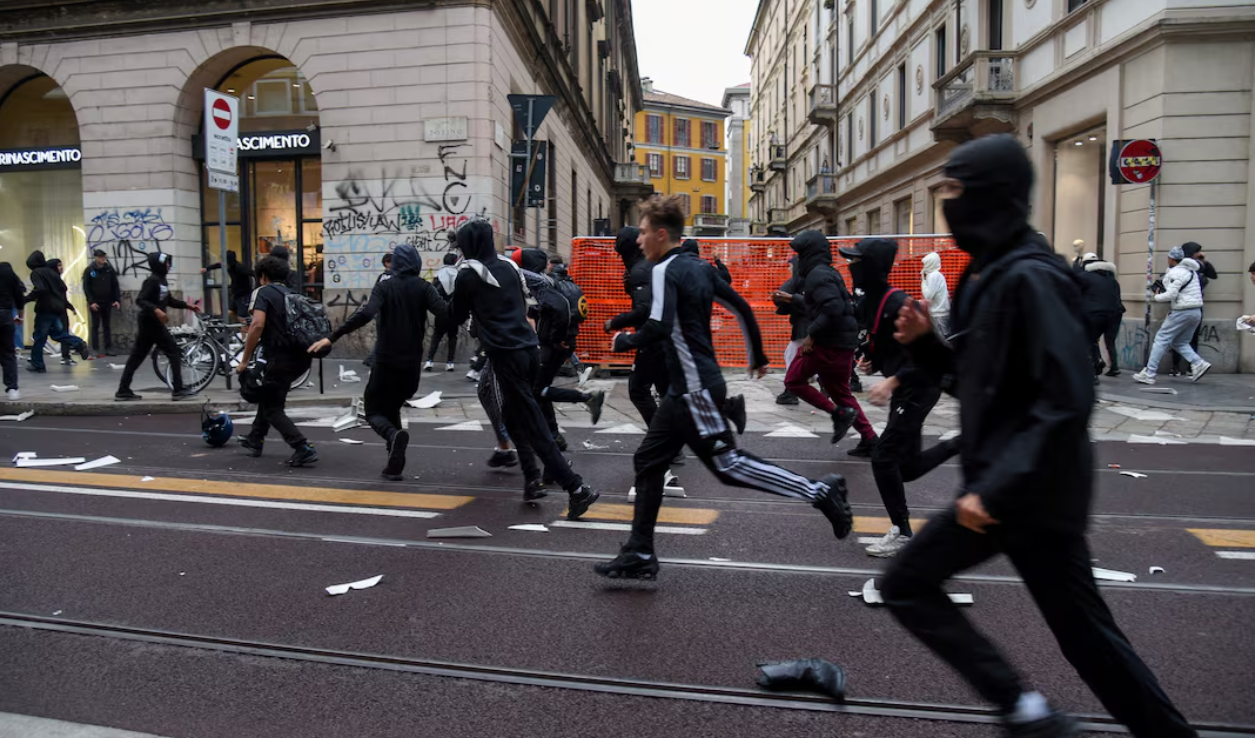
Tensions over energy and the approaching elections are shaping an important political context for the EU. At the same time, the scale of the protests in various countries and their direct impact on support for specific political forces should be assessed on the basis of independently verified data for each individual event.