Pregnancy does not require a strict diet or cutting out most of the foods you are used to. However, some foods can indeed pose a risk to the health of the mother and her unborn child. First and foremost, these include raw meat and fish, unpasteurised dairy products, certain types of cheese and foods with a high mercury content. At the same time, coffee, chocolate and even sushi are not always completely off-limits — what matters is the ingredients, the quantity and the method of preparation.
- Pregnant women are advised to avoid raw meat, fish and unpasteurised dairy products.
- Caffeine is permitted in moderate amounts — no more than 200 mg per day.
- Fish with low mercury levels remain a healthy part of the diet.
- It is recommended to avoid liver and alcohol throughout the entire pregnancy.
- Careful preparation and proper storage of food reduce the risk of foodborne infections.
Raw meat, fish and eggs: why everyday dishes can be dangerous
During pregnancy, the body becomes more vulnerable to certain foodborne infections. Pathogens that might cause a relatively mild illness in a healthy adult can sometimes pose a more serious threat to the pregnancy.
Raw or undercooked meat can be a source of toxoplasma and harmful bacteria. Therefore steaks It is best to replace food containing blood, raw minced meat, steak tartare and undercooked poultry with fully cooked dishes. It is particularly important to cook minced meat, chicken and ready-to-cook meat products thoroughly.
Similar rules apply to fish and seafood. Raw oysters, sashimi and sushi made with raw fish may contain bacteria or parasites. A safer alternative would be rolls made with cooked fish, prawns or vegetables, prepared under hygienic conditions.
It is also advisable to cook eggs until the white and yolk are completely set. Particular care should be taken with homemade mayonnaise, tiramisu and desserts containing raw eggs, if they have been made without pasteurised egg products.
Which cheeses and dairy products are not recommended for pregnant women?
Not all cheeses pose a risk. Pasteurised milk, yoghurt, quark, mozzarella and most hard cheeses can remain part of a normal diet.
Products made from unpasteurised milk and certain soft, mould-ripened cheeses, such as Brie, Camembert and Gorgonzola, should be treated with caution. They can provide a favourable environment for the growth of the bacterium Listeria monocytogenes.
Listeriosis It is a relatively rare infection, but it can lead to serious complications during pregnancy. According to the CDC, pregnant women are about ten times more likely to contract listeriosis than other people.
Soft blue cheeses can be eaten after being thoroughly heated, once the dish is completely hot. When buying dairy products, you should check the labelling and opt for pasteurised products.
Can pregnant women drink coffee, tea and eat chocolate?
Coffee is not one of the foods that you absolutely must avoid throughout your pregnancy. It is important to keep an eye on your overall caffeine intake, as caffeine is found not only in espresso and cappuccino, but also in black and green tea, cola, chocolate and energy drinks.
The NHS recommends that pregnant women consume no more than 200 mg of caffeine per day. By way of comparison, a cup of instant coffee may contain around 100 mg, a cup of filter coffee around 140 mg, and a cup of tea around 75 mg. In cafés, the caffeine content can be significantly higher, depending on the portion size and the method of preparation.
This means that a single small cup of coffee will usually fall within the recommended limit. However, you need to take into account the caffeine you consume from other drinks and foods throughout the day.
It is best to avoid energy drinks during pregnancy: they may contain high doses of caffeine and other stimulants.
What fish can you eat during pregnancy?
Fish is an important source of protein, iodine, vitamin D and omega-3 fatty acids. There is usually no need to cut it out of your diet entirely unless there are medical reasons for doing so.
The US FDA and EPA recommend that pregnant women consume approximately 225–340 grams of fish and seafood with low mercury levels per week. This is equivalent to two to three portions.
Good choices include salmon, sardines, pollock, cod, trout and prawns. However, it is recommended to avoid large predatory fish, such as sharks, swordfish and marlin, due to the potential for mercury accumulation.
With tuna, it depends on the species. Canned light tuna usually contains less mercury than albacore tuna. It is therefore important to take the specific type of fish into account, rather than avoiding all tinned tuna.
Why are liver and alcohol not recommended during pregnancy?
Liver is rich in iron and other nutrients, but it is also a source of large amounts of preformed vitamin A — retinol. An excess of this can have a negative impact on foetal development. That is why the NHS recommends avoiding liver and liver-based products during pregnancy.
For the same reason, you should not take retinol supplements or cod liver oil on your own. It is advisable to choose vitamin supplements for pregnant women in consultation with your doctor.
There is a specific rule regarding alcohol. No safe level of alcohol consumption has been established that could be recommended during pregnancy. Alcohol can affect the development of the unborn child’s nervous system, which is why medical organisations advise abstaining from it completely.
How to make a pregnant woman’s diet safer without unnecessary restrictions
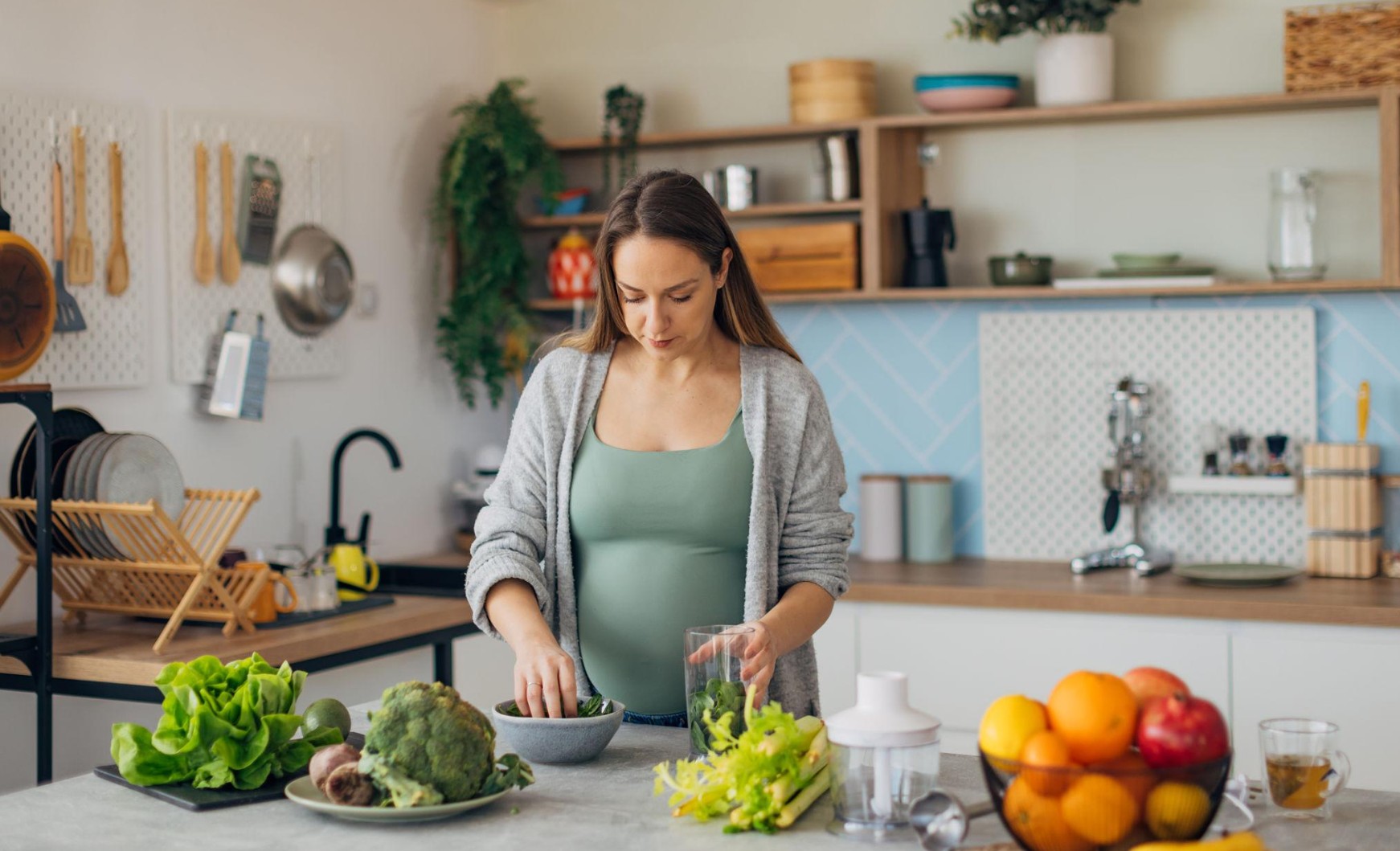
Most everyday foods can be included in your diet, provided they are prepared and stored correctly. Vegetables and fruit should be washed thoroughly, raw meat should be kept separate from cooked food, and perishable foods should be refrigerated promptly.
Ready-made salads, cold cuts and pâtés require special attention. To reduce the risk of listeriosis, the CDC recommends heating cold meat products to 74°C or until hot steam appears before consumption.
A balanced diet can be based on cereals, vegetables, fruit, pulses, well-cooked meat, fish with low mercury levels, eggs and pasteurised dairy products. A varied diet is more important than popular restrictive diets, which have no proven benefits for pregnancy.
It is also worth bearing in mind folic acid. For most women, the recommended daily dose whilst planning a pregnancy and during the first 12 weeks is 400 µg. However, in certain medical circumstances, a doctor may prescribe a different dose.
If a pregnant woman accidentally eats a food from the list of foods to avoid, this does not necessarily mean that the baby has been harmed. If there are no symptoms, you should not take antibiotics or other medicines on your own. In the event of a fever, severe malaise, vomiting, diarrhoea or a suspected foodborne infection, you must consult a doctor and inform them of any possible exposure to a hazardous foodstuff.