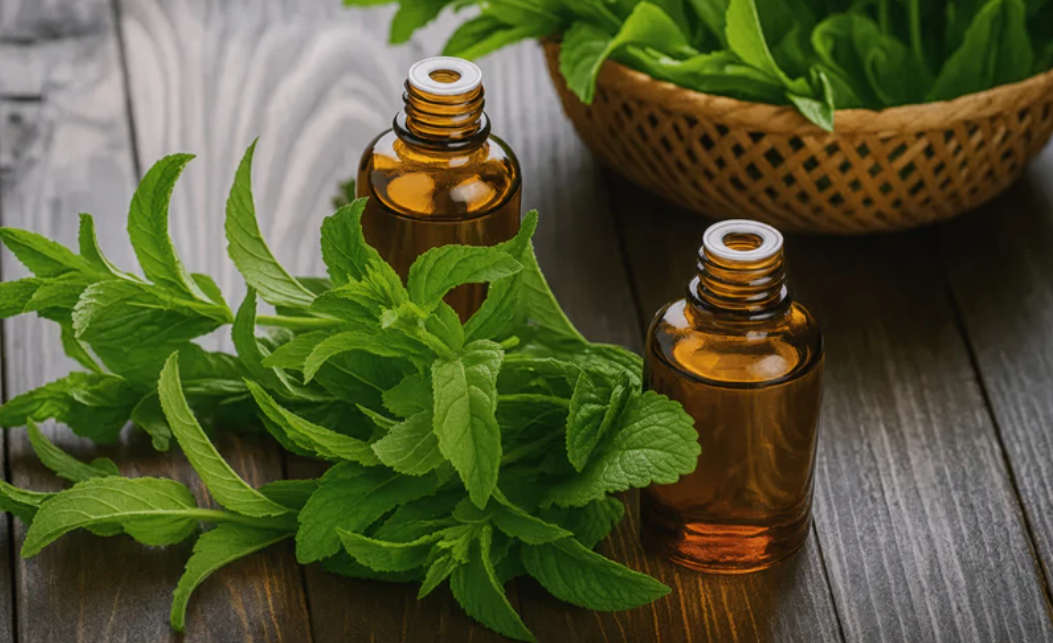
Researchers at the University of Lancashire have found that taking small doses of peppermint oil regularly can significantly lower moderately high blood pressure. In a 20-day randomised trial, volunteers who received peppermint oil saw their systolic blood pressure fall by an average of 8.5 mm Hg compared with the placebo group. The researchers describe the results as promising but emphasise the need for larger-scale trials.
- The study involved 40 adults aged between 18 and 65 with pre-hypertension or stage 1 hypertension.
- Over a period of 20 days, one group took 100 microlitres of peppermint oil twice a day, whilst the other group took a mint-flavoured placebo.
- Systolic blood pressure in the peppermint group fell by an average of 8.5 mm Hg, whilst no significant changes were observed in the placebo group.
- Scientists warn that the oil is not a substitute for medication prescribed by a doctor and requires further clinical trials.
How the study was conducted and what the results showed
On the findings of the study published in the scientific journal PLOS One, reports ScienceDaily. Researchers recruited 40 adult participants aged between 18 and 65 with pre-hypertension or early-stage (stage 1) hypertension and randomly divided them into two groups.
Over a period of 20 days, the first group took the treatment. By the end of the trial, the systolic blood pressure in the main group was on average 8.5 mm Hg lower than in the placebo group. In addition, participants showed a moderate reduction in diastolic blood pressure (by 4.57 mm Hg) and resting heart rate.
Why peppermint can affect blood pressure
The lead author of the study, Dr Jonathan Sinclair explained that peppermint contains natural bioactive compounds — in particular, menthol and flavonoids. According to Medical News Today, previous scientific studies have highlighted their antioxidant, anti-inflammatory and vasodilatory properties, which help to relax the smooth muscle of blood vessels.
«High blood pressure is one of the leading causes of cardiovascular disease and mortality worldwide, and its treatment is extremely costly. Although medication is widely used, it can cause unwanted side effects,» said Sinclair.
Important medical advice
The authors of the study emphasise that the results should be interpreted with caution: the experiment involved only 40 people and lasted 20 days. Larger-scale and longer-term clinical trials are needed to confirm whether the effect is sustained in the long term.
Experts also emphasise that Peppermint oil is not a substitute for antihypertensive treatment prescribed by a doctor, whilst ordinary cosmetic or aromatic essential oils are not intended for internal use without special food-grade or pharmaceutical formulations and without consulting a doctor.