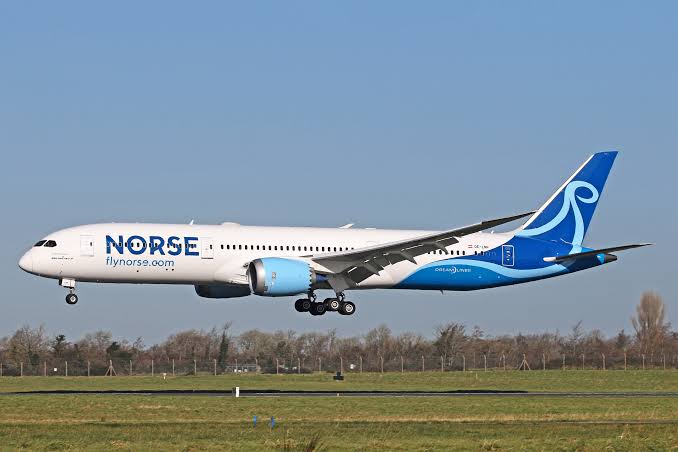
Norse Atlantic Airways, a Norwegian low-cost long-haul airline, immediately suspended all flights on Thursday, 26 November, due to a critical shortage of liquidity. In a statement to the Oslo Stock Exchange, the airline’s management announced its intention to file for bankruptcy if it is unable to secure short-term financing or agree on a sale of the business in the near future. The grounding of its fleet of 12 Boeing 787 Dreamliner aircraft has affected passengers on routes between Europe, North America, Africa and Asia, and has forced partner airlines to make urgent changes to their timetables.
Why has Norse Atlantic suspended its flights, and what is the company saying?
The company announced the suspension of its operations at 08:50 Central European Time, following an emergency meeting held the previous day with the holders of bonds worth US$52 million bearing interest at 15 per cent per annum. As stated in the official Norse Atlantic’s stock exchange announcement, following a warning about the carrier’s critical financial situation, its shares fell by around 85 per cent on Wednesday.
«In these circumstances, the company has suspended all of today’s flights pending clarification as to whether a viable financial solution can be found. If short-term funding is not secured urgently, the board of directors intends to file for bankruptcy,» the carrier said in a statement.
The company added that it is continuing talks with potential investors regarding a possible takeover, which would involve an injection of capital, but cannot guarantee a positive outcome.
The causes of the carrier’s financial crisis
Founded in 2021, the company sought to build a business around affordable transcontinental flights operated by Boeing 787-9 Dreamliners from its hubs in London (Gatwick), Oslo and Stockholm, but it never once turned a profit in any financial year. According to The Guardian and industry analysts, several factors led to the acute crisis:
rising costs of aviation fuel and fleet maintenance against a backdrop of a seasonal decline in winter demand;
the expiry in October 2026 of a major «wet» lease (ACMI) contract, under which six of Norse’s 12 aircraft were operated by the Indian airline IndiGo and generated the majority of its revenue;
Attempts to cut costs – including relocating the headquarters from Norway to cheaper offices in Latvia and the resignation of the founder and CEO, Bjørn Tore Larsen – failed to make up for the cash shortfall.
A rise in operating costs and the cost of aviation fuel In recent months, the entire European transport market has come under pressure, but for a niche long-haul low-cost carrier, this pressure has proved critical.
Consequences for passengers and partner airlines
At the time of the suspension, Norse Atlantic was operating flights on seven active routes (five of which were to Thailand), and had planned to launch two further routes from the UK to Bangkok and Phuket in December. The company has also stopped selling new tickets on its website.
The fleet’s suspension triggered a chain reaction in the industry:
Pakistan International Airlines (PIA), which had leased Norse aircraft complete with crews, was forced to cancel two flights from the UK at short notice and replace them with its own Boeing 777s.
Some passengers found out about the flight cancellations whilst at the check-in desks at the airports.
Aviation law experts point out that, as of the morning of 26 November, the court had not yet initiated formal bankruptcy proceedings. In such cases mass cancellations of flights Passengers are advised not to cancel their bookings themselves (so as not to lose their right to compensation), to keep all receipts and to prepare a claim to their bank for a refund via the chargeback procedure or to their insurance company.