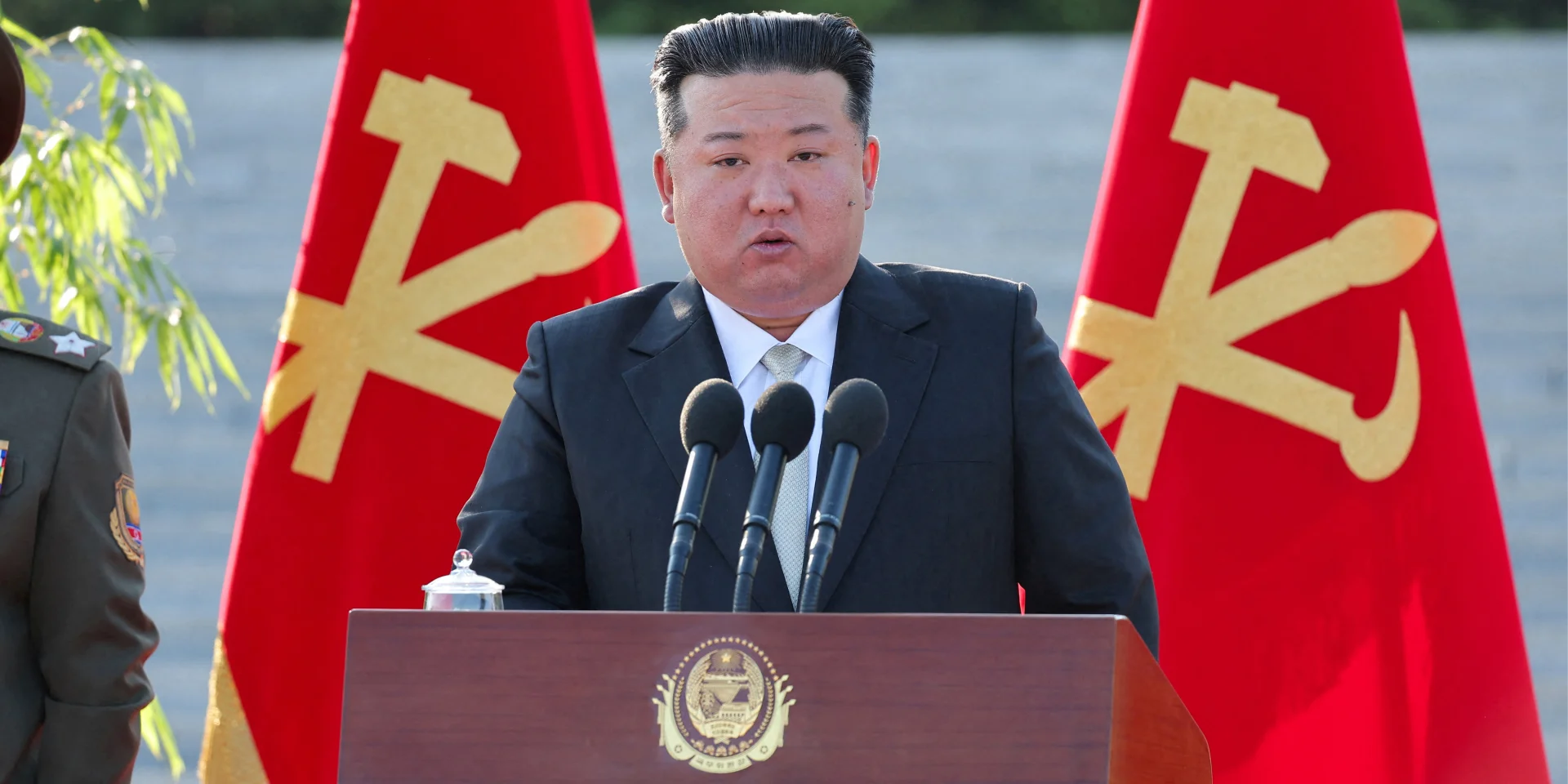
North Korean leader Kim Jong-un has called for the wider deployment of tactical nuclear weapons within the country’s armed forces. The DPRK leader made this statement during a working inspection of key defence enterprises and military test sites, where he familiarised himself with the current state of arms production and the combat readiness of the units.
- North Korean leader Kim Jong-un has called for the wider deployment of the DPRK’s tactical nuclear weapons.
- The statement was made during his inspection tour of the country’s defence enterprises and test ranges.
- Pyongyang is focusing on expanding its tactical nuclear arsenal and integrating it into the army’s combat units.
- Such moves are exacerbating tensions in the region and causing concern amongst neighbouring states and the international community.
Results of the inspection of military factories and training grounds
During an inspection of the defence industry’s production facilities and test sites Kim Jong-un emphasised the need to further strengthen the combat capabilities of the North Korean army. The main focus of his speech was on the scaling up and rapid deployment of tactical nuclear weapons, which Pyongyang regards as a key element of its military doctrine.
Developing our own nuclear programme remains a priority for the regime in Pyongyang and is accompanied by regular inspections of factories producing missile systems, munitions and launchers.
The impact of Pyongyang’s statements on the security situation
Calls by the DPRK leadership to expand the presence of tactical nuclear weapons within its armed forces are traditionally aimed at demonstrating strength to South Korea, Japan and the United States. Unlike strategic intercontinental ballistic missiles, tactical nuclear delivery systems are designed for use directly in the theatre of operations, which lowers the threshold for escalation in the event of a crisis.
Escalation of nuclear rhetoric on the part of North Korea poses additional challenges to global security and complicates international efforts to curb the proliferation of weapons of mass destruction in the Asia-Pacific region.