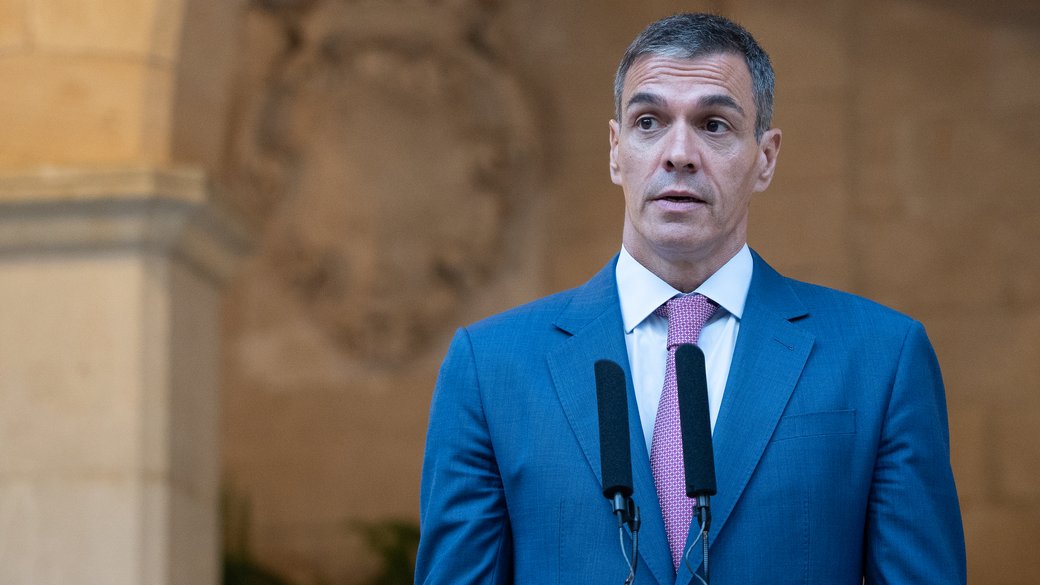
Early general elections have begun in Spain, which could prove to be a turning point in the country’s modern history and, for the first time since the dictatorship of Francisco Franco, pave the way for the far right to form a government. Prime Minister Pedro Sánchez’s current Socialist cabinet risks losing its majority and ceding power to the centre-right People’s Party, which is considering forming a coalition with the far-right Vox party.
- Voting has begun in Spain in the snap general election, which will determine the composition of the country’s future government.
- The socialist government led by the incumbent Prime Minister, Pedro Sánchez, risks losing power following the election campaign.
- The main contender for victory is the centre-right People’s Party, which may need to form an alliance with the far-right Vox party in order to secure a majority.
- Vox’s entry into the government will mark the first time the far right has been part of Spain’s leadership since the end of Franco’s dictatorship.
The political landscape and the risks facing Pedro Sánchez’s government
The forthcoming parliamentary elections will determine not only the country’s domestic socio-economic policy Spain, but also the balance of political power within the European Union. The main battle unfolded between the left-wing and right-wing political camps:
Pedro Sánchez’s socialist government: The Spanish Socialist Workers’ Party is trying to hold on to power by highlighting the economic achievements and social reforms of recent years, but is facing strong calls from voters for change;
The centre-right People’s Party: The country’s main opposition force is hoping to come first and form a new cabinet;
The far-right Vox party: The political party espouses hardline anti-immigration and Eurosceptic rhetoric and could become a key coalition partner for the centre-right if they do not secure enough votes to form a majority on their own.
Historical context: why the prospect of a coalition is causing such a stir
The prospect of representatives joining Vox The national government holds particular political significance for Spanish society. Since the death of the dictator Francisco Franco and the country’s transition to democracy in the 1970s, far-right forces have never been part of Spain’s central government.
Madrid’s potential shift to the right is being closely monitored in Brussels and other EU capitals, as a change of government in the eurozone’s fourth-largest economy could significantly alter the balance of priorities in European policy.