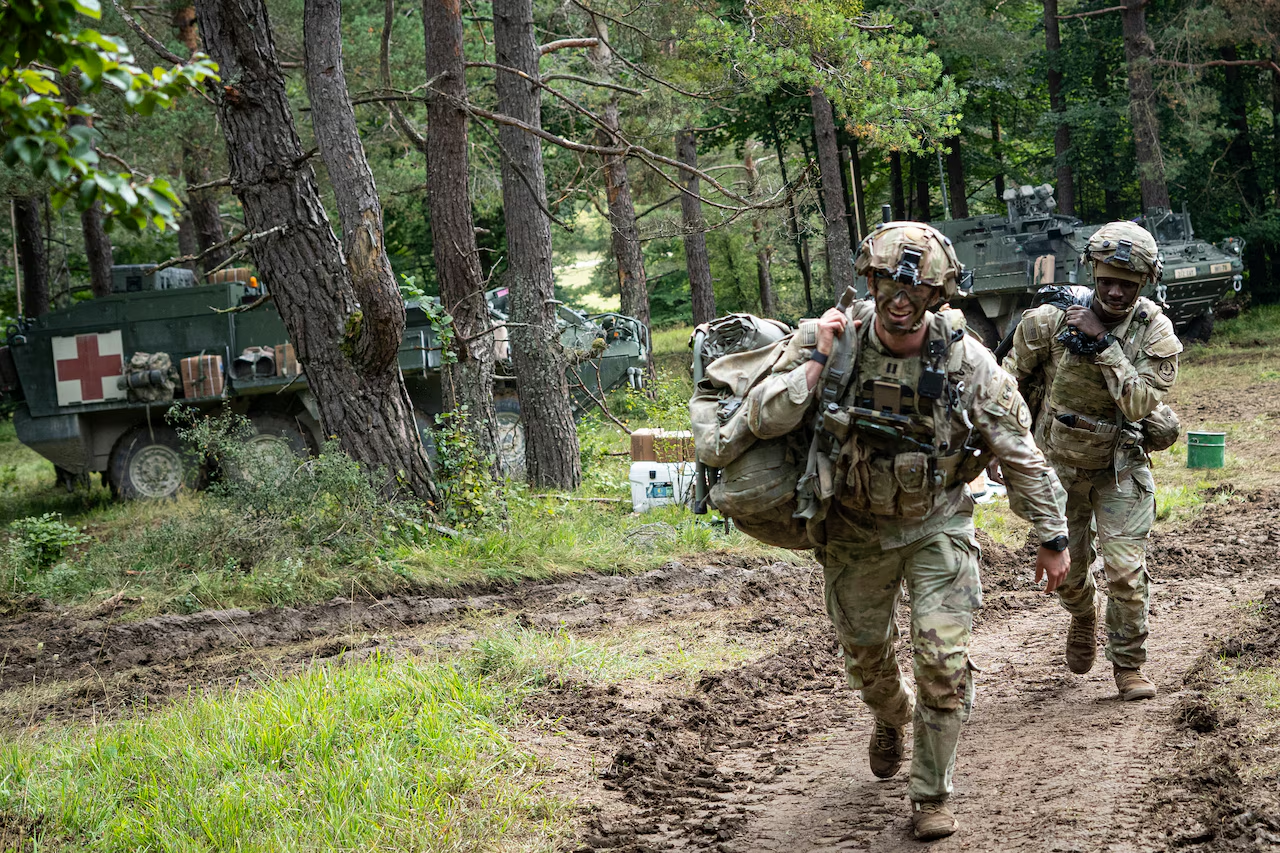
The United States of America has postponed a decision on the future format of the US military presence in Europe until 2027. The scheduled review of the strength and deployment of Pentagon units on the European continent has been officially postponed until next year, thereby maintaining the current configuration of US forces in the region for the foreseeable future.
- The US has postponed a decision on the future of its military presence in Europe until 2027.
- A review of the total number and geographical deployment of Pentagon units on the European continent has been postponed until next year.
- Until the review is complete, US forces in Europe will continue to carry out their tasks within the current deployment structure.
- The pause in the review gives European allies extra time to strengthen their own defence capabilities and coordinate their actions within NATO.
What does the postponement of the review of the Pentagon’s troop levels entail?
The assessment of the global deployment of US armed forces is a fundamental tool of strategic planning, through which Washington determines the balance between the European, Indo-Pacific and Middle Eastern theatres. Postponing this process until 2027 means that the issue of European security will remain a priority for the US Department of Defence, with no significant changes expected in the coming months.
A review of the US military presence on the continent traditionally covers several key areas:
Number of personnel: determining the optimal number of military personnel stationed in Europe on a permanent basis and as part of rotational missions;
Geographical distribution: an assessment of infrastructure, logistics hubs and military bases in Western, Central and Eastern Europe;
Sharing the burden amongst allies: co-ordination of European states’ defence contributions to the collective deterrence and defence system.
The significance of the decision for European allies
Maintaining the current level of US troop presence in Europe until at least 2027 eliminates the risk of a sudden reduction in troop numbers in the short term. For European partners in the North Atlantic Alliance, this creates predictable conditions for planning their own defence budgets, joint exercises and development defence policy on the continent.