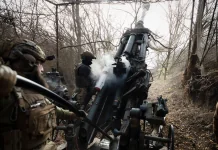
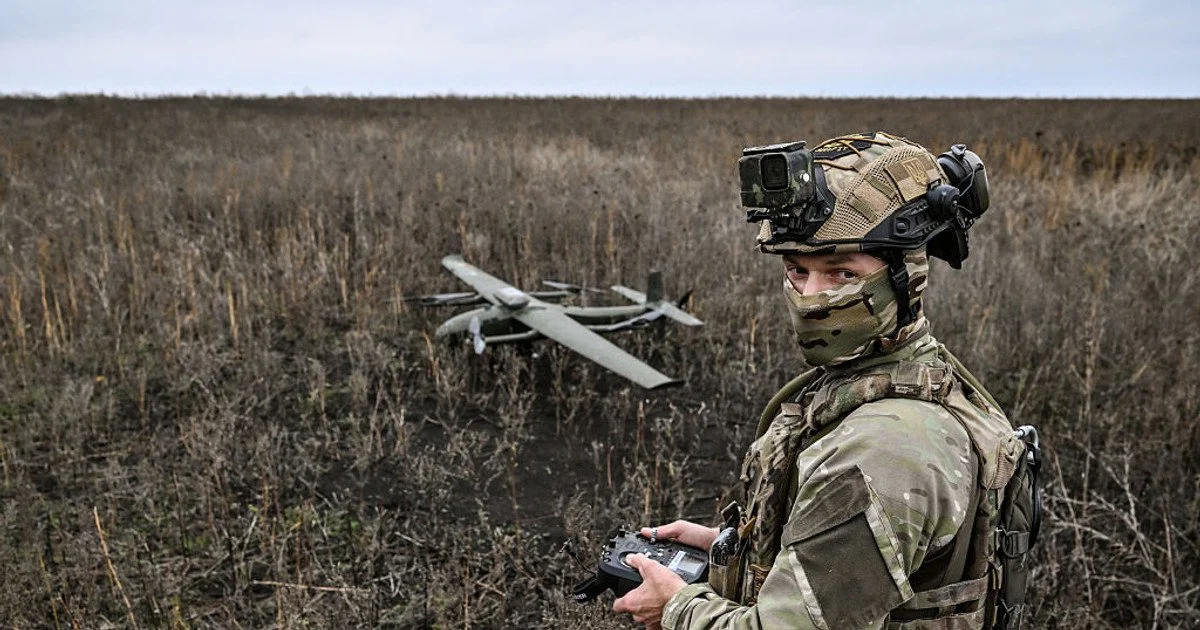
The Ukrainian military has been forced to cancel some of its planned operations involving the use of drones due to restrictions on the Starshield satellite communication system. According to analysts, the reduced connection speed over the temporarily occupied territories is leading to increased losses of attack drones and making it more difficult to intercept Russian long-range UAVs. Despite these difficulties, the campaign of strikes against Russia’s oil infrastructure continues to inflict significant damage on the Russian fuel market.
Briefly about the main points
- Due to restrictions on Starshield satellite communications over the occupied territories, losses of Ukrainian strike UAVs are increasing and some missions are having to be cancelled.
- These disruptions are also making it more difficult to intercept Russian long-range drones, although medium-range strikes are still disrupting the Russian army’s logistics.
- Following the attacks on the Novoshakhtinsk oil refinery and the oil depot in the Samara Region, oil refining in Russia has fallen by around 45 per cent, and petrol is only available at half of all petrol stations.
How do the Starshield restrictions affect the front line?
In the new a report by the Institute for the Study of War (ISW) On 28 November, analysts highlighted reports from the Ukrainian military regarding systematic disruptions to the Starshield system over the occupied part of Ukraine. These connection speed restrictions are directly undermining the medium-range UAV strike campaign, which played a key role in containing the Russian offensive throughout 2026.
Due to technical difficulties, units are suffering higher losses of drones and are being forced to cancel some of their operations. Furthermore, this reduces the effectiveness of intercepting Russian long-range drones. At the same time, even under such conditions, Ukrainian medium-range UAVs continue to disrupt the occupiers’ ground supply lines and prevent them from concentrating their forces for attacks.
Attacks on oil infrastructure and the fuel crisis in Russia
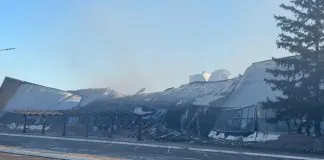
A separate section of the ISW report is devoted to Ukrainian attacks on the Russian fuel sector on the night of 28 November. In particular, the following strikes were recorded: Novoshakhtinsk Oil Refinery in the Rostov Oblast and the «Samara» linear production and control station near the village of Prosvet in the Samara Oblast — approximately 945 km from the border.
Systematic attacks on oil refining facilities are intensifying the fuel crisis in Russia, as evidenced by the figures set out in the report:
- As of 28 November, according to the Ukrainian Centre for Strategic Communications, petrol was available at only about half of the petrol stations in the Russian Federation;
- By 20 November, total oil refining volumes in the country had fallen by approximately 45 per cent.
According to the ISW, the fuel shortage has already forced the Russian authorities to impose limits on petrol sales in a number of regions, including Moscow, the Moscow Region, the Leningrad Region, Siberia and the Far East.