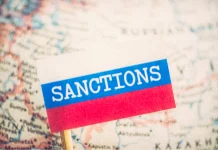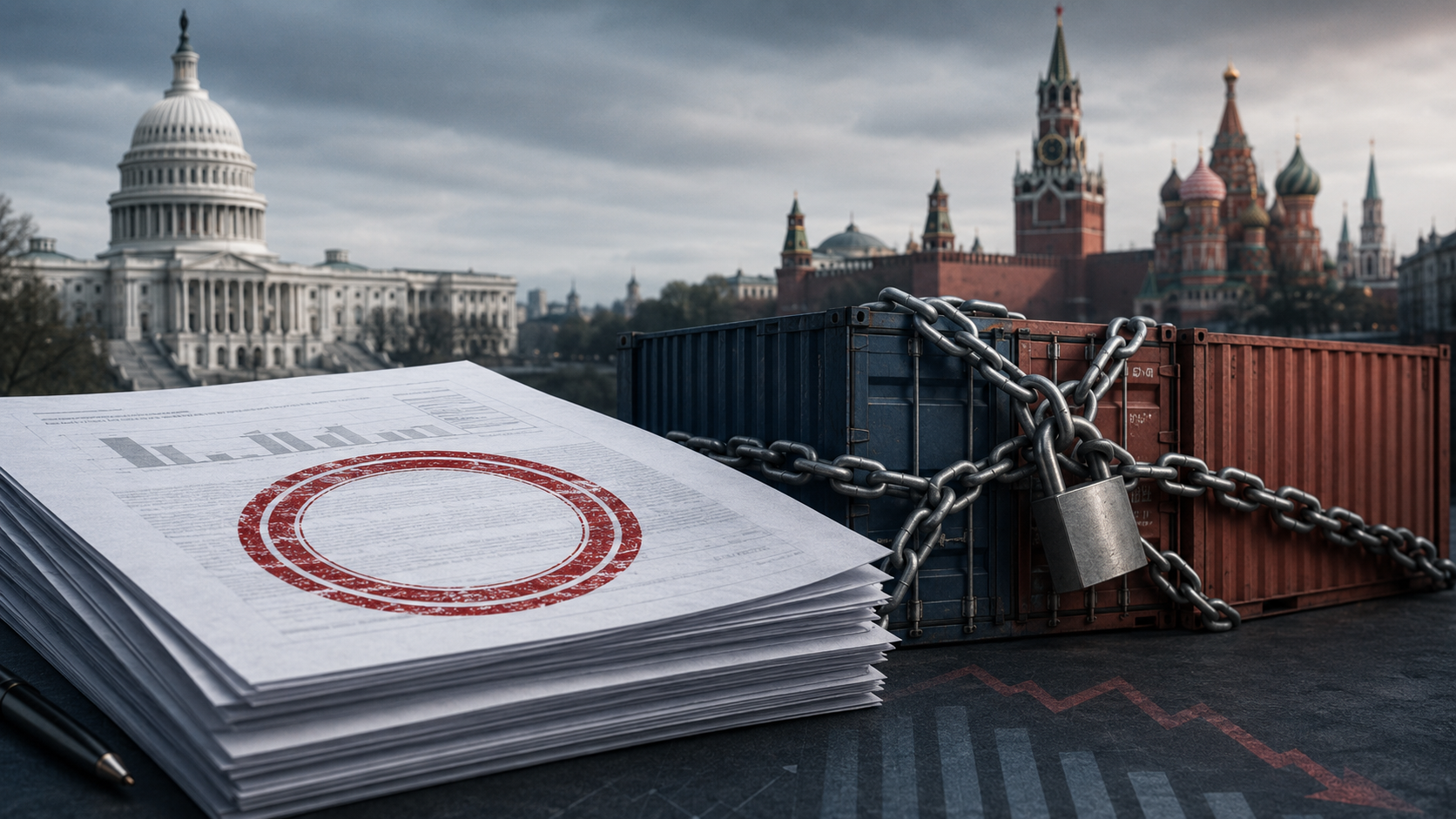
The US Senate has approved a bill on so-called «hellish sanctions» against Russia and Iran and is set to begin voting following President Donald Trump’s meeting with Volodymyr Zelenskyy. At the same time, the European Union is preparing sanctions against more than 1,600 companies suspected of aiding Russia’s war against Ukraine.
Briefly about the main points
- The EU is planning to impose sanctions on more than 1,600 companies.
- Their combined turnover exceeds 20 billion dollars.
- The US may impose tariffs of up to 100% on certain countries.
- The Senate will vote following Trump’s meeting with Zelenskyy.
- Zelenskyy will also meet with the co-authors of the bill.
The European list could increase by half at once
The new European sanctions list targets companies that have so far remained «grey areas» for the Russian military-industrial complex. If the package is approved, the number of legal entities subject to EU sanctions due to Russia’s war against Ukraine will increase by 50% at once.
The combined turnover of the more than 1,600 potential entities on the list exceeds 20 billion dollars, and together they employ more than 265,000 people. This could be the largest single expansion of the EU’s sanctions list targeting legal entities.
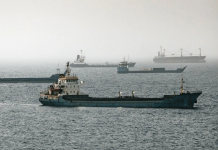
This track is separate from The 21st round of sanctions, which the EU adopted on 23 July. At that time, Brussels added 170 legal entities to the lists and also tightened restrictions on banks, crypto-service providers, oil traders and organisations serving the «shadow fleet».
The US law combines sanctions with tariff pressure
The agreement in the Senate concerns of the draft law The Lindsey O. Graham Sanctioning Russia Act 2026, tabled on 16 July. Its co-sponsors include more than 60 senators from the Republican and Democratic parties, including Republican Majority Leader John Thune, Chairman of the Foreign Relations Committee Jim Risch, and Democrat Jean Shaheen.
The document provides for sanctions against the Russian leadership, financial institutions, state-owned companies, the defence-industrial complex and the «shadow fleet». The supporting materials for the draft bill specifically mention the Central Bank of the Russian Federation, Sberbank, Gazprombank and the Yamal LNG and Arctic LNG projects.
At the same time, a key new measure is the imposition of duties of up to 100% on goods from countries that the US identifies as being among the five largest buyers of Russian crude oil or gas, as well as among the five largest facilitators of the circumvention of oil sanctions. The list will be reviewed by the US Trade Representative every 180 days.
The vote was timed to coincide with the meeting between Trump and Zelenskyy
The Senate is due to begin voting immediately after Trump’s meeting with Zelenskyy. The Ukrainian president will also hold separate talks with the senators who co-authored the bill.
The chances of the document being adopted are considered very high, and Trump has already signalled his support for the initiative. According to Axios, there were plans to include provisions relating to Iran in the package.
Cross-party support for putting pressure on Moscow does not imply complete agreement on the means to achieve this. Democratic Senator Ron Wyden, whilst supporting Ukraine, has voiced objections to the expansion of the President’s tariff powers.
The practical effect will depend on how the mechanism is applied
The tariff mechanism does not impose automatic duties on all of Russia’s trading partners. Its scope is limited to specific groups of the Russian Federation’s largest energy buyers and intermediaries who circumvent restrictions, and the specific list will be drawn up by the US authorities.
The bill also gives the US President the power to lift sanctions, restrictions or tariffs in specific cases, citing national interests and notifying Congress. An exception is also provided for countries that import only a small proportion of their gas from Russia, provided they significantly reduce their dependence on it.
Combined with European measures targeting financial, logistical and technological infrastructure, this could heighten the risks for companies and states that operate simultaneously in the Russian energy sector and Western markets. At the same time, China’s reaction to the EU’s latest package — export restrictions on 14 European organisations — suggests that the extension of sanctions to entities in third countries may be met with countermeasures.