While the world community has been ridiculing Pyongyang's secrecy and technological backwardness for years, the DPRK economy has demonstrated one of the most amazing and at the same time cynical transformations of the 21st century. An authoritative publication The Wall Street Journal published an extensive investigation based on satellite imagery, intelligence reports and testimonies from diplomats and businessmen who recently visited the country.
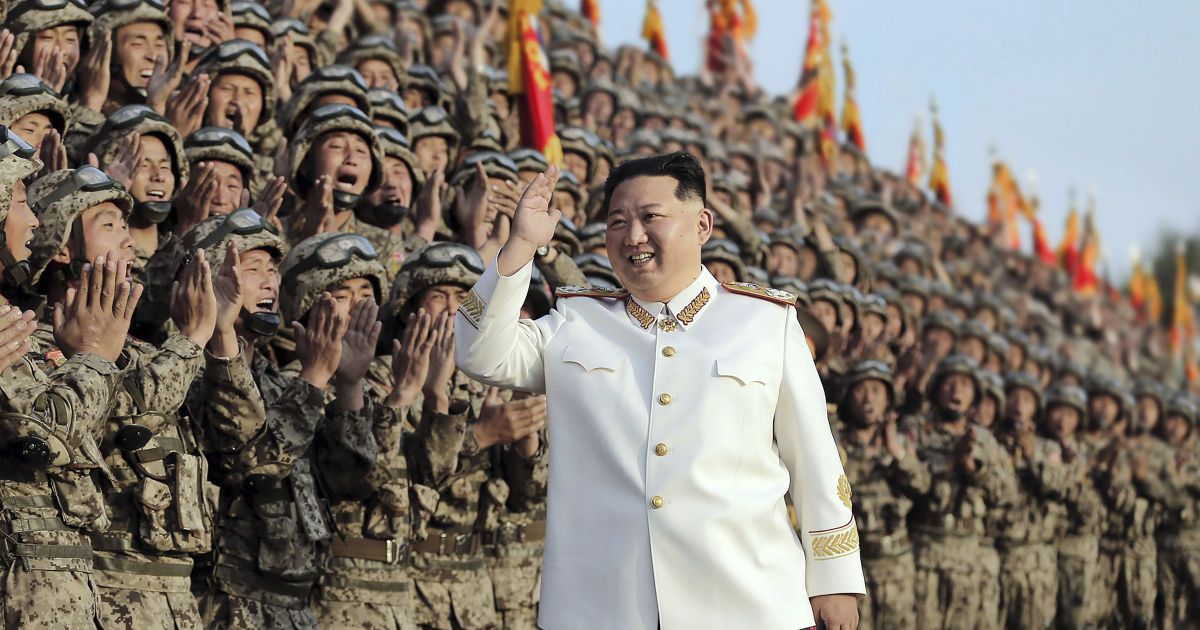
The analysts' conclusions are staggering: Kim Jong-un's regime is now richer and more stable than ever since he came to power.
What happened: The Pyongyang we didn't know
Today, the capital of North Korea is less and less like a gloomy Soviet set. An economic boom has transformed the daily lives of the city's elite and middle class:
-
Digitalisation in the North Korean way: Local analogues of the Uber taxi service have appeared in the capital, and payments in shops and restaurants are massively switching to QR codes.
-
Signs of luxury: Modern Chinese electric vehicles and even new models have been spotted on the streets of Pyongyang BMW, The city is now home to a number of new businesses, including a number of pet shops and car dealerships. Internet cafes, car dealerships and - what previously seemed completely unthinkable - pet shops are opening in the city.
-
Building scale: Last year alone, the capital of the DPRK built 10,000 new modern apartments. Russian assistance has significantly improved the city's power supply, minimising the usual rolling blackouts.
«The DPRK's economy is now at its strongest level since Kim Jong-un came to power. This is a remarkable achievement, given that the country was in complete isolation,» said Stephen Haggard, a professor at the University of California, San Diego.
How it became possible: Kim Jong-un's sources of capital
Analysts identify three main pillars on which the sudden North Korean «economic miracle» rests:
1. Military contract of the century with the Kremlin
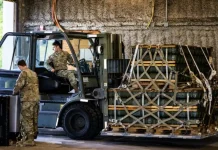
The main growth trigger was the full-scale Russia's war against Ukraine. Moscow was critically short of Soviet calibres, and Pyongyang became the Kremlin's leading supplier. The DPRK transferred millions of artillery shells, rocket launchers and ballistic missiles of the KN-23. According to South Korean intelligence, military assistance to Kim Jong-un's regime has brought up to $14 billion over the past three years, accounting for almost half of the country's annual GDP.
2. Manpower in exchange for currency
In addition to equipment, Pyongyang sent more than 15,000 elite military personnel, including engineers and UAV operators. Russia pays approximately $2,000 per month for each soldier. However, this money goes directly to the state treasury, not to the military.
3. China's home front and the collapse of sanctions
Trade between the DPRK and China reached the highest in the last 8 years. Beijing and Moscow have blocked any attempts to strengthen sanctions in the UN Security Council. Chinese brands are openly operating in North Korea, supplying electronics, cars and components for industry, and satellites have recorded record activity of illegal tankers in North Korean oil storage facilities.
Why this is happening: A geopolitical calculation
For Kim Jong-un, this situation has become a perfect storm, which he has exploited to the fullest:
-
Full independence from the West: Previously, the United States and its allies used sanctions as a lever of pressure, forcing Pyongyang to sit down at the negotiating table and promise nuclear disarmament in exchange for humanitarian aid. Now, with a stable financial flow from Moscow and Beijing, the DPRK no longer has any motivation to negotiate with Washington.
-
Modernisation of the army: In addition to pure cash, Russia is paying off the DPRK with critical military technologies, from satellite development to nuclear and missile programmes, making Pyongyang an even greater threat to South Korea and Japan.
The hidden price of «success»
Despite the outward gloss in Pyongyang, this success story has an extremely dark side.
-
Colossal human losses: According to the WSJ, about a third (about 5,000 people) of the DPRK military contingent sent to Russia have already been killed or wounded in battles against the Ukrainian Armed Forces. The regime is cynically compensating the families of the victims: they receive the status of «heroes», a one-time payment of $10,000 and premium housing in the capital. In fact, Kim Jong-un is exchanging the lives of his citizens for square metres and currency.
-
Deep poverty outside the capital: The economic boom is deeply uneven. It only benefits Pyongyang and the party elite. According to UN reports, Almost half of the country's 26 million people are still undernourished, and provincial regions remain on the brink of survival. Despite all the growth, the DPRK's GDP is still less than 1% of the US GDP.
Conclusion.
North Korea has managed to convert global instability and someone else's war into its own enrichment. The country, which was considered to be in the grip of international isolation, proved that In the presence of large authoritarian allies (Russia and China), the West's sanctions mechanisms no longer work. Pyongyang has become richer, more technologically advanced and more dangerous, turning from an “outcast” into an influential and wealthy player in the black market of arms exports and war.