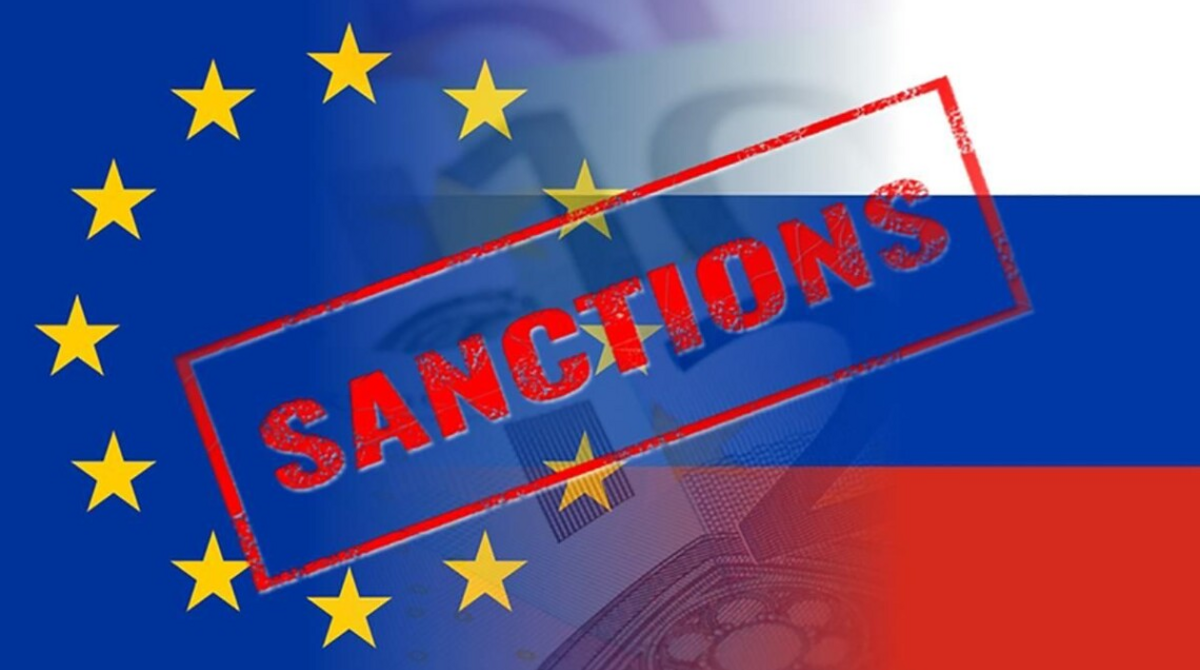
On 12 October, the European Union approved a major expansion of its sanctions lists against Russia, adding 1,646 new entries. The decision was taken by the EU foreign ministers at a meeting in Luxembourg. The majority of the restrictions are directed against the Russian military-industrial complex, primarily enterprises and individuals involved in the production of ballistic missiles. Separately, Russian officials linked to the organisation of illegal elections in the temporarily occupied territories of Ukraine have also been subject to sanctions.
- On 12 October, the EU added 1,646 new entries to its sanctions lists against Russia.
- The main list comprises 743 individuals and 826 legal entities.
- More than half of the new restrictions relate to the production of ballistic missiles.
The European Union has approved one of the largest lists of sanctions against Russia
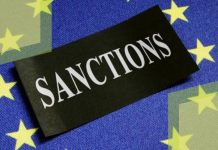
On 12 October, the European Union’s foreign ministers officially New sanctions against Russia have been approved. The decision marked the conclusion of the agreement reached by EU ambassadors on 7 October. In total, the sanctions lists were expanded by 1,646 entries.
The main list includes 1,569 new sanctions entries, which concern 743 individuals and 826 legal entities linked to the Russian military-industrial complex. A further 77 entries were added separately due to the involvement of representatives of the Russian Federation in the conduct of illegal elections in the temporarily occupied Ukrainian territories.
This is one of the largest single expansions of EU personal sanctions against Russia since the start of the full-scale invasion of Ukraine.
More than half of the sanctions are directed against manufacturers of ballistic missiles
The EU High Representative for Foreign Affairs and Security Policy Kaya Kallas She reported that particular attention had been paid to Russian missile production. According to her, more than half of the new sanctions targets are linked to the production chains for ballistic missiles.
The sanctions lists include companies and individuals involved in the development and production of missile weapons, in particular the «Iskander-M».
The restrictions also apply to manufacturers of rocket engines, solid rocket propellant, specialised materials and other components required by the Russian defence industry.
Some of the sanctions target companies in the drone manufacturing and shipbuilding sectors.
The sanctions were imposed because of the illegal elections in the occupied territories
A separate set of new restrictions applies to 77 individuals linked to the organisation of elections to the Russian State Duma in the temporarily occupied territories of Ukraine. The list includes candidates who stood for parliamentary seats representing the occupied Ukrainian regions, as well as certain representatives of electoral bodies.
The European Union does not recognise Russian control over the temporarily occupied territories of Ukraine or the electoral processes carried out there.
The new restrictions have been introduced as part of the EU’s sanctions regime targeting actions that undermine or threaten the territorial integrity, sovereignty and independence of Ukraine.
What restrictions do the EU sanctions entail?
Inclusion on the European Union’s personal sanctions lists entails the freezing of the assets of natural and legal persons covered by the relevant decisions.
EU citizens and companies are prohibited from providing funds and other economic resources to persons subject to sanctions.
Restrictions on entry into the European Union and transit through its territory also apply to individuals.
The aim of the sanctions against companies in the military-industrial complex is to restrict their ability to obtain financial resources and maintain arms production for the war against Ukraine.