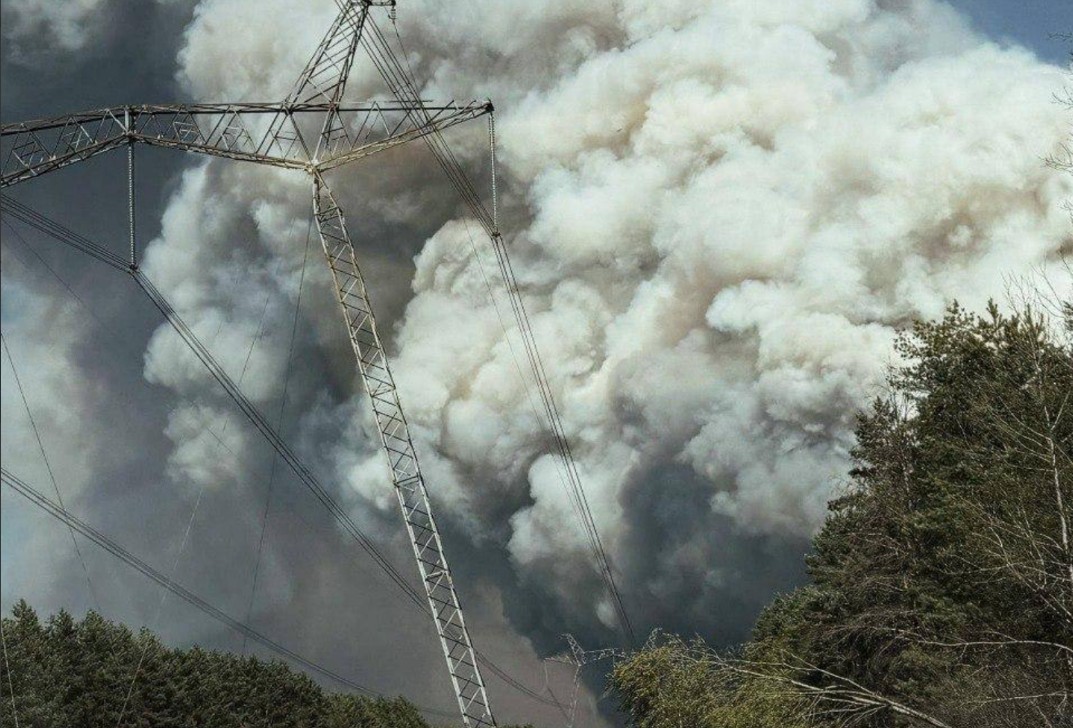
The State Emergency Service is working in an emergency mode due to a large-scale forest fire in the Chornobyl forest. The fire has already covered more than 1,100 hectares, and strong winds are making it difficult to extinguish the fire.
Large-scale fire in the Chernobyl zone
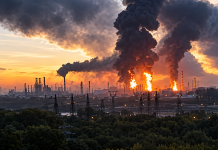
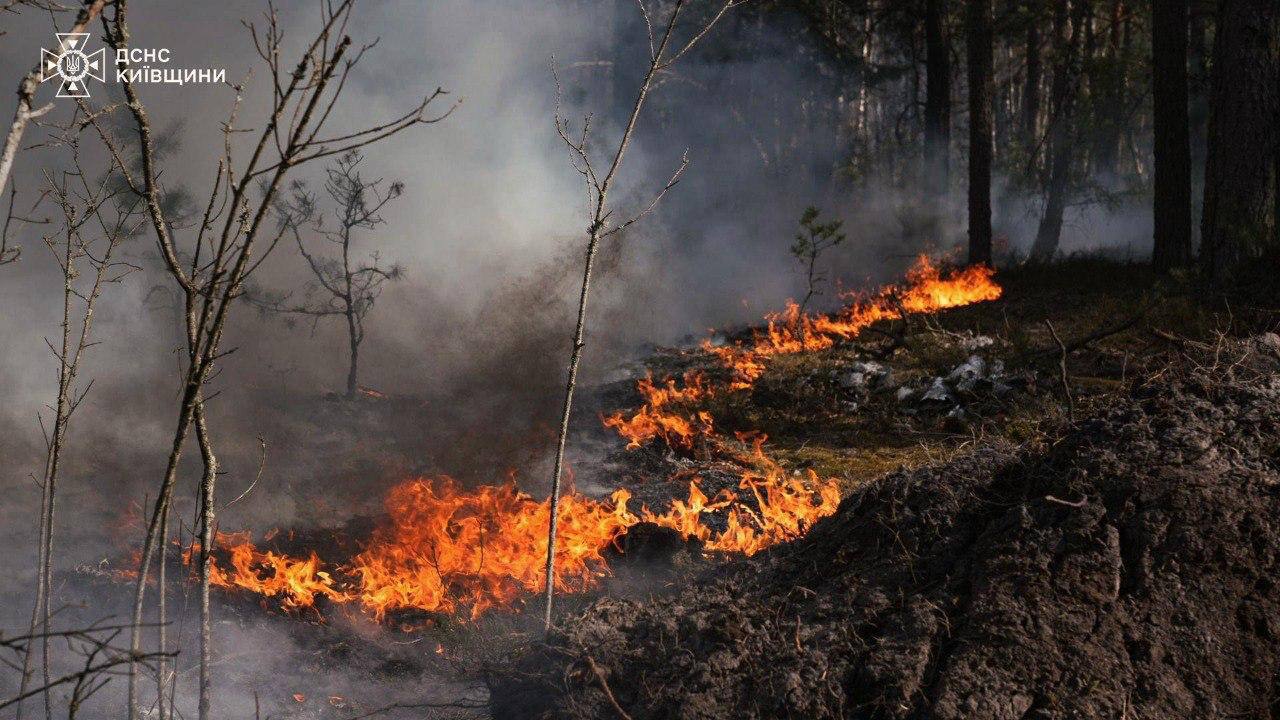
A large-scale forest fire has broken out in the Exclusion Zone, covering a large area of the Chornobyl forest. According to the State Emergency Service, the area of fire has already exceeded 1100 hectares, and the situation is complicated by strong wind gusts, which contribute to the rapid spread of the fire. The State Emergency Service is working in an emergency mode to contain and extinguish the fire.
The SES has deployed additional forces and equipment to fight the fire. Rescuers note that the fire is rapidly moving through the forest, covering new neighbourhoods and posing a threat to the surrounding ecosystem.
Consequences of fire spread
Fire in the Chernobyl forest can have serious environmental consequences. Fire destroys vegetation, harms wildlife and increases the risk of secondary pollution. Due to strong winds, smoke from fires can spread over long distances, affecting air quality in the surrounding areas.
Experts emphasise that large-scale fires in the Exclusion Zone are dangerous not only for nature but also for people living nearby. Rescue services urge citizens to be careful and follow official reports.
Rescuers' work and the situation on the ground
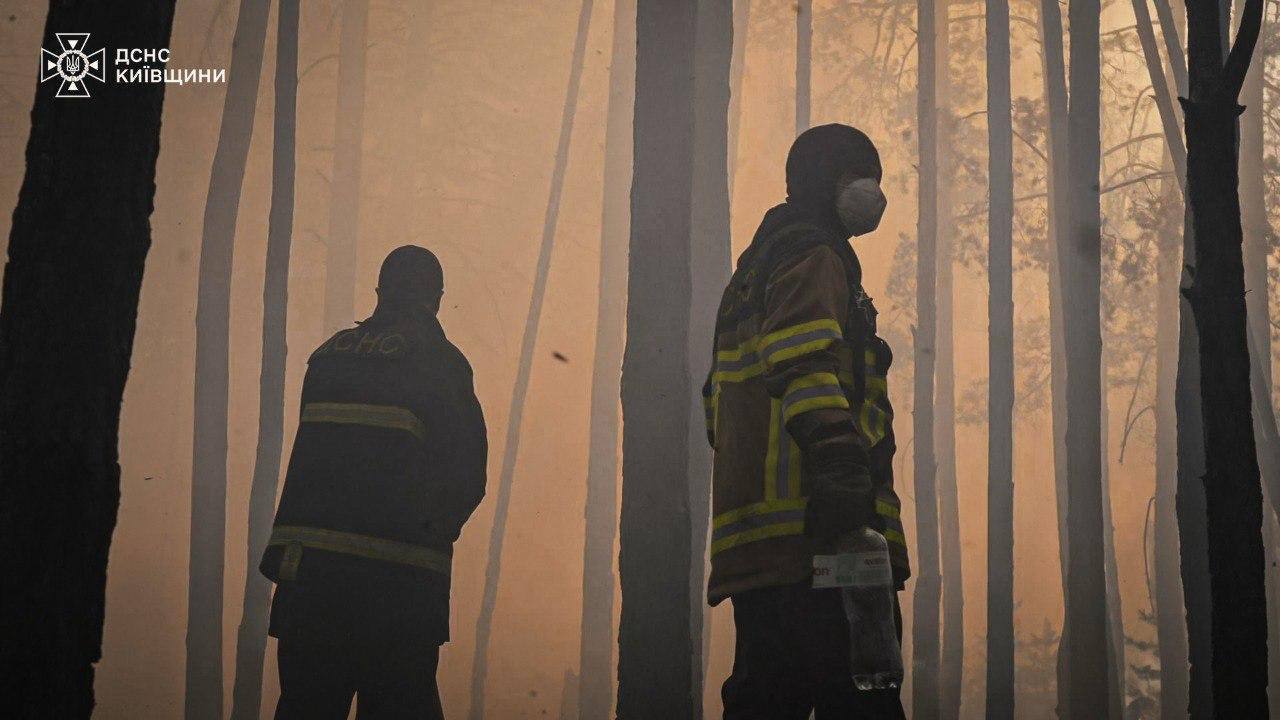
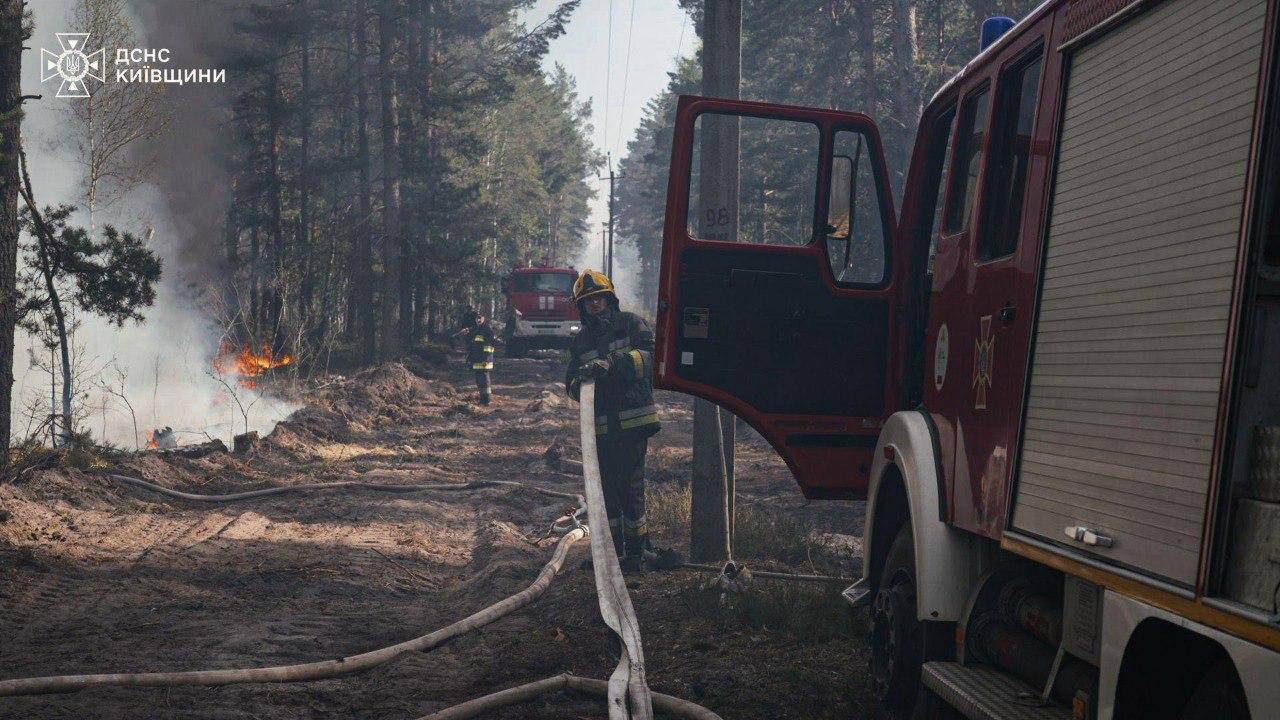
The SES is operating in an enhanced mode, engaging additional units to extinguish the fire. Firefighters are working in difficult conditions as the wind makes it difficult to control the flames. An operational headquarters has been set up at the scene to coordinate the actions of all involved services.
Rescuers are using specialised equipment to contain the fire and prevent its further spread. The situation remains tense, and experts continue to monitor the air quality and radiation levels in the fire zone.
Why it matters
The large-scale fire in the Chornobyl forest has attracted attention due to its potential environmental and social consequences. The destruction of the forest in the Exclusion Zone could lead to the loss of unique natural complexes and affect the environment in the region.
The operational work of the SES is critical to minimising damage and protecting the public. Timely information to the public avoids panic and contributes to the safety of the surrounding area.
Such emergencies demonstrate the importance of constant monitoring and preparedness to respond to natural disasters, especially in sensitive regions such as the Chernobyl zone.
Additional information
As of 11:00 a.m. on 8 May, the radiation situation in Ukraine, in particular in the north of Kyiv region, remains stable. Elimination of a large-scale fire in the Chornobyl Exclusion Zone continues - Interior Ministry.