What is known about the potential missile threat from Iran
Monitoring organisations have urged Ukrainians to be prepared for a potential attack on 28–29 July. They claim that three ballistic missiles could allegedly be used in the strike, but do not provide any verified information regarding their readiness, deployment location or possible targets.
Such reports do not constitute official warnings. Monitoring organisations may analyse open sources, satellite data, aviation activity and statements by the parties, but do not always have access to verified intelligence.
It is virtually impossible to predict the exact launch time of a ballistic missile in advance. The dates given should therefore be regarded merely as unconfirmed speculation.
Why is there talk of a possible attack on Iran?
The warnings appeared following sharp statements by the Iranian side addressed to Ukraine. The Iranian Minister for Foreign Affairs Abbas Araghchi accused Kyiv of attacking an Iranian vessel in the Caspian Sea and stated that such actions would allegedly «not go unanswered».
Pro-Iranian Telegram channels also disseminated threats against Ukraine. Some of them emphasised that Ukrainian territory was within range of Iranian missiles.
At the same time, threatening rhetoric does not constitute evidence of a decision having been taken to launch an attack. There have been no public announcements regarding the deployment of Iranian missiles to strike Ukraine, nor has any order been given to use them.
Are Iranian missiles capable of reaching Ukraine?
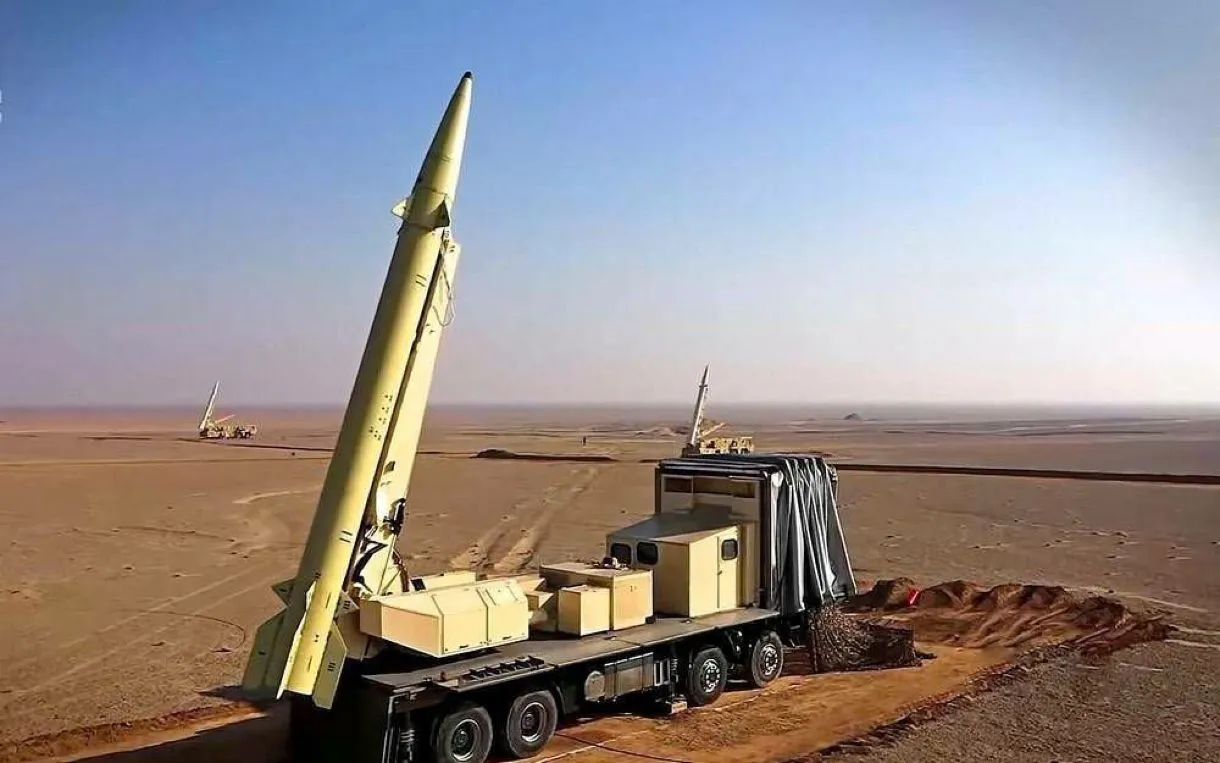
Iran’s arsenal includes medium-range ballistic missiles the Ghadr, Emad and Sejjil missiles, which are claimed to have a range of up to approximately 2,000 kilometres. Depending on the launch site, they are theoretically capable of reaching parts of Ukraine.
The Khorramshahr family poses a particular threat. Some variants are claimed to have a range of up to 4,000 kilometres, although it is difficult to reliably assess the actual performance, accuracy and operational readiness of such missiles.
Defence Express notes that Iran technically has the capability to launch a direct strike on Ukrainian territory. However, the mere existence of such weapons does not confirm that preparations are under way for a specific launch. Defence Express
What Ukrainians should do in the event of an emergency
Due to the high speed of ballistic missiles, the time between an official warning and a potential attack may be limited. Therefore, after ballistics threat alert You must seek shelter immediately, without waiting for further updates on social media.
It’s worth doing in advance:
- identify the nearest available shelter;
- enable official air-raid alerts;
- charge your mobile phone and power bank;
- prepare your documents, water and any necessary medication;
- not to publish information on air defence operations, impact locations or the movements of military personnel;
- check reports from the Ukrainian Air Force and local authorities.
If you are unable to reach a shelter, you should go into a room without windows and follow the ‘two-walls rule’.
There is no official confirmation of the forecast
Reports of «three missiles» and an attack specifically on 28–29 July remain unconfirmed at this stage. The editorial team has no independent evidence to suggest that Iran was preparing to launch a missile strike against Ukraine.
Publishing specific dates of potential attacks without official evidence is risky, as it could cause unfounded panic. At the same time, warning signs must not be ignored: a genuine warning of a launch should be expected from the Air Force and other authorised bodies.
No related posts