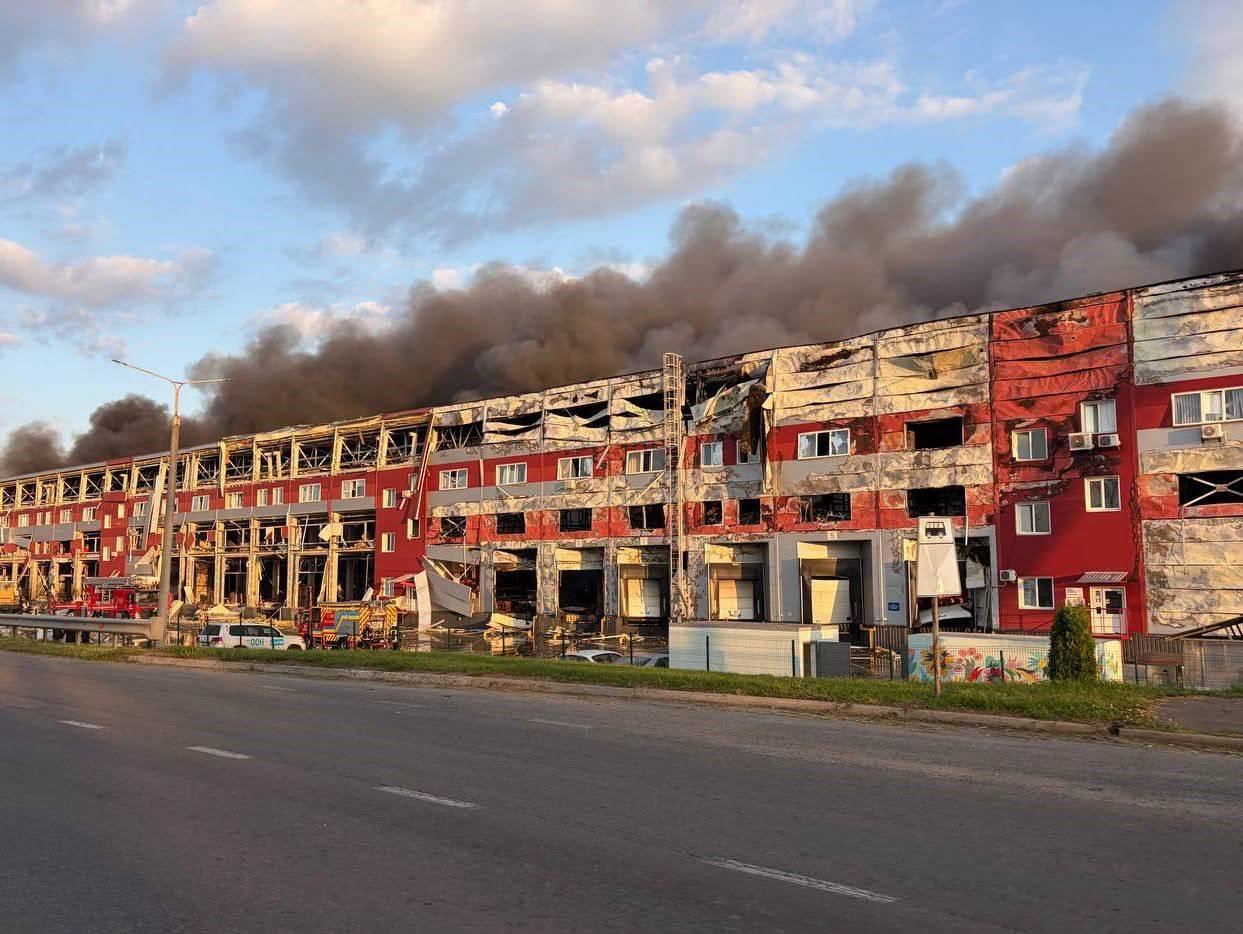
Russian troops attacked a UNICEF humanitarian aid depot in Ukraine, destroying supplies with a total value of around $3.9 million. According to Dmytro Lubinets, the Verkhovna Rada’s Human Rights Commissioner, the strike damaged or destroyed more than 106,000 items of humanitarian aid, designed to help Ukrainian children and families.
The lost supplies include generators, drinking water, hygiene kits and other critically important items. The footage released shows extensive damage to the building and the aftermath of a major fire.
Russian strike destroyed humanitarian aid worth millions of dollars
According to the Ombudsman Dmytro Lubinets, as a result of the Russian attack, significant stocks of humanitarian aid that UNICEF had prepared to support the people of Ukraine were destroyed.
In total, we are talking about more than 106,000 items of cargo. Their total value is estimated at approximately $3.9 million.
Among the supplies that were destroyed or damaged were items of critical importance during the war: generators to provide backup power, drinking water supplies, hygiene products and other humanitarian aid.
All of this was intended to be used to support people who found themselves in difficult circumstances as a result of the hostilities and Russian attacks on Ukrainian infrastructure.
Aid for Ukrainian children has come under attack
The incident takes on particular significance given the purpose of the humanitarian aid shipments. UNICEF is working in Ukraine, first and foremost, to protect children and meet their basic needs in the midst of a full-scale war.
The organisation’s aid is used to support families with children and to ensure access to water, sanitation, education and other essential services. The destruction of large stockpiles means the loss of resources that had already been purchased, delivered to Ukraine and prepared for further distribution.
Consequently, the consequences of the strike are not limited to material damage amounting to $3.9 million. The loss of over 106,000 units of cargo could affect the speed at which aid is delivered to people in the regions where it is most needed.
Among the items destroyed were generators and supplies of drinking water
Generators remain one of the most sought-after types of humanitarian aid in Ukraine, due to ongoing Russian attacks on the energy infrastructure. They enable social and other vital facilities to continue operating during prolonged power cuts.
Equally critical is ensuring that the population has access to drinking water and hygiene supplies. Following attacks on water supply systems, it is often humanitarian organisations that provide emergency supplies to affected communities.
Now, some of these reserves will have to be rebuilt.
Strike on a humanitarian warehouse
Attack on the warehouse With the help of UNICEF, this highlights yet another aspect of the impact of Russian strikes on Ukraine’s civilian infrastructure. The destruction of such a facility is not just about damaged walls and lost goods.
Behind every generator, hygiene kit or water supply are specific people who were meant to receive this aid. Some of the supplies may have been intended for communities already living under regular shelling, with problems regarding electricity supply and access to basic services.
At the same time, international humanitarian organisations continue to operate in Ukraine despite the security risks. The scale of the losses this time — over 106,000 aid items — shows just how costly a single attack can be, and not just in financial terms.
It is of fundamental importance to Ukraine that such incidents are subject to international scrutiny and that the destroyed supplies are promptly replaced. After all, the ultimate recipients of this aid were not meant to be military organisations, but Ukrainian civilians – in particular children – who have been living in the midst of a full-scale war for over four years.