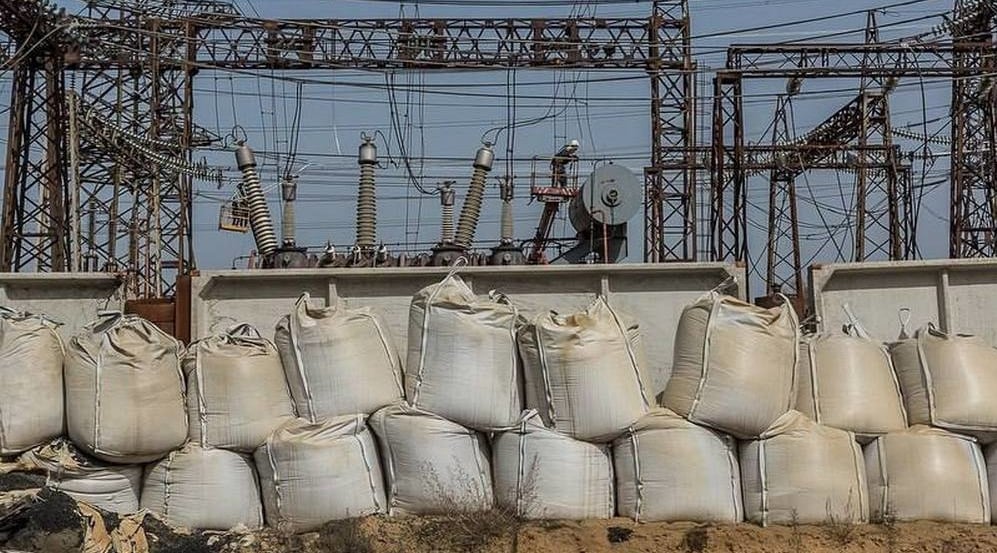
Ukraine’s key energy facilities lack Level III protective structures designed to provide defence against missiles, the State Agency for Infrastructure Recovery and Development has stated in response to an enquiry from *Telegraph*. The agency stated that no contracts for the construction of such structures were signed during 2025–2026, which means there remains a high risk of power and heating disruptions this winter.
Briefly about the main points
- No contracts were awarded for Level III protective structures in 2025–2026.
- Major works have been completed at 110 critical infrastructure sites.
- These sites are equipped with Level II protection against drones and debris.
- In Kyiv, the readiness level for defences against «Shahids» stands at 49%.
- UAH 9.88 billion has been allocated for projects in Kyiv, of which UAH 6.07 billion has been funded.
Level III protection was not built under the new agreements
The State Agency for Infrastructure Restoration and Development has reported that it did not enter into any contracts for the construction of Level III protective structures in 2025–2026. In material «According to *The Telegraph*, this level is defined as missile defence.
At the same time, the agency reported that the main work had been completed at 110 critical infrastructure sites. Level II protection has been installed at these sites, designed to counter «Shahed»-type attack drones and debris.
More than half of the projects in Kyiv have been funded
Work to protect Kyiv’s critical infrastructure from «Shahids» began in May 2026. At the time of the agency’s response, their readiness was assessed at 49%.
A total of 9.88 billion hryvnias has been allocated for this work, of which 6.07 billion hryvnias has already been disbursed. The ministry has not disclosed the details of the contracts or information about the contractors, citing military secrecy and the «For official use only» classification.
Risks to electricity and heating in winter
According to the estimate given in the article, during the large-scale combined attacks In Russia, there remains a high risk of substation shutdowns, blackouts and heating cuts. Missiles pose a particular threat to energy infrastructure, as facilities designed to withstand this type of attack were not commissioned during the period in question.
The article also notes that the development of renewable energy and the installation of mini-CHP plant They are continuing, but their capacity is not yet sufficient to fully replace the large power stations destroyed by Russian attacks. This could limit the system’s resilience in the event of further attacks.