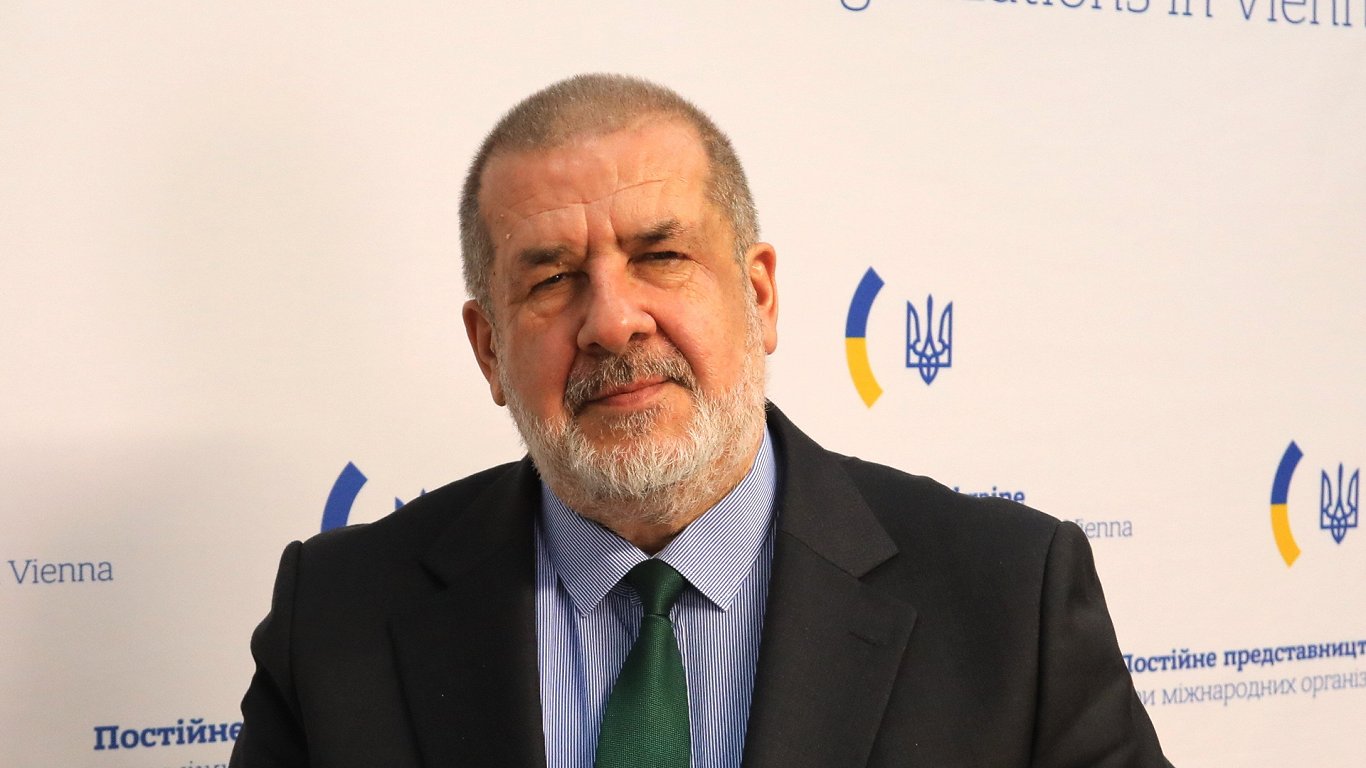
Refat Chubarov, Chairman of the Mejlis of the Crimean Tatar People, has reported an increase in the number of searches of Crimean Tatars« homes in occupied Crimea. According to him, during such operations, Russian security forces conduct »preventative interviews’, whilst their actual aim is to intimidate the Crimean Tatar people.
Briefly about the main points
- Chubarov reported an increase in the number of searches carried out on Crimean Tatars.
- During the searches, he said, «preventative interviews» are carried out.
- Over the past six months, the Human Rights Centre has documented 11 searches in Crimea.
- The centre also recorded 47 arrests or detentions.
- The UN had previously reported on systematic repression on the peninsula.
Statement by the Chair of the Mejlis
Refat Chubarov He issued a statement on 20 July. He linked the reports of the searches to the deepening crisis on the peninsula, which, he said, had been caused by a critical shortage of fuel, electricity and water.
The politician noted that Russian occupation security forces conduct «preventative interviews» with people during searches. Chubarov described the intimidation of the entire Crimean Tatar people as the real aim of such actions.
He called on Crimean residents who are being persecuted by the occupying authorities to report such incidents publicly. According to the Chairman of the Mejlis, publicising these incidents serves both as evidence of the occupying regime’s policies and as a means of protecting those who have become targets of persecution.
What human rights activists have documented over the past six months
The Crimean Tatar Resource Centre reported that, during the first half of 2026, it documented 11 searches in occupied Crimea. The organisation also recorded 47 cases of detention or custody and 47 interrogations, questioning sessions and «interviews».
These figures show that the «preventative interviews» mentioned by Chubarov form part of a wider, documented pattern of pressure. At the same time, the claim that searches became more frequent in July specifically is a statement by the Chairman of the Mejlis, rather than a separate statistical assessment by the CRC.
Between January and March, the centre reported seven searches, two of which involved Crimean Tatars. During the same period in 2025, the Crimean Tatar Centre reported 13 searches, seven of which involved Crimean Tatars.
Power cuts on the peninsula
At the end of June in Crimea A regional state of emergency was declared in Sevastopol due to problems with the electricity supply. Reports of temporary restrictions on the electricity supply continued to be received.
On 6 July, Russian sources reported a partial restoration of the electricity supply in the south and east of Crimea, describing the situation as tense. The combination of unstable infrastructure and reports of searches may indicate a tightening of preventive control over the Crimean Tatar community during this period. This is an editorial conclusion; Chubarov explicitly cited intimidation as the motive.
Documented cases of persecution
The UN Human Rights Monitoring Mission in Ukraine noted in its 2024 report that Crimean Tatar leaders and others whom the Russian authorities regarded as opponents of the occupation were subjected to particularly severe restrictions and repression.
The UN has documented 104 cases of enforced disappearances and 55 cases of torture involving pro-Ukrainian activists, journalists and Crimean Tatars. Against this backdrop, new reports of searches and interrogations by the security forces continue the pattern of human rights violations documented by international and Crimean Tatar human rights defenders.