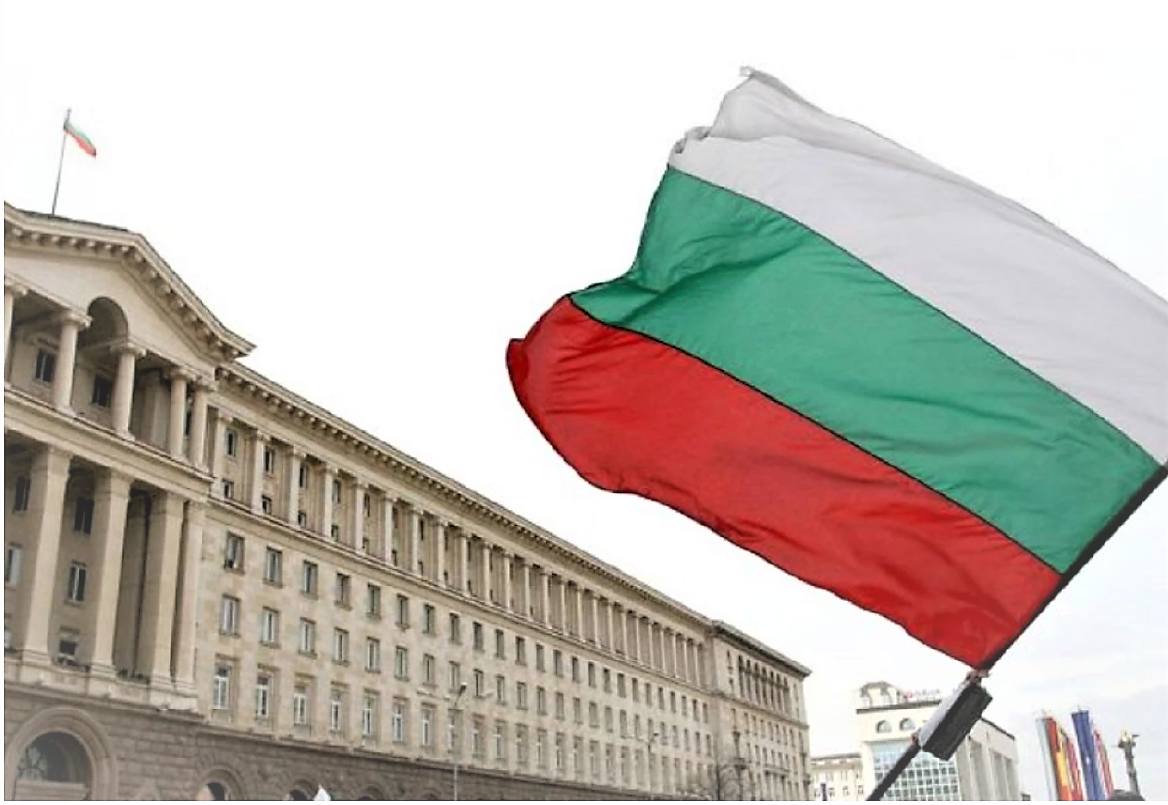
Bulgaria has officially stopped supplying military aid to Ukraine, emphasising its priority in increasing the number of personnel in the Armed Forces. At the same time, Sofia is stepping up efforts to protect the rights of the Bulgarian minority living in Ukraine, which raises concerns about a repeat of the Hungarian scenario of influence on Kyiv.
- Bulgaria has stopped supplying weapons to the Ukrainian Armed Forces.
- Bulgaria's Defence Minister emphasised the need for people, not weapons.
- The Bulgarian government is demanding that the rights of the Bulgarian diaspora in Ukraine be expanded.
- Sofia's rhetoric is reminiscent of the Hungarian scenario regarding national minorities.
Bulgaria's Military Position in the Context of the War in Ukraine
Bulgaria has decided to not to provide military assistance to Ukraine, by refusing to supply weapons to the Armed Forces of Ukraine. Defence Minister Dimitar Stoyanov said that it is more important for Ukraine to increase the number of personnel than to receive additional weapons. This decision sparked debate in the expert community, as support for Ukraine is a critical factor for security throughout Europe.
The rights of the Bulgarian minority in Ukraine as a new front in relations
In addition to the military aspect, the Bulgarian government has begun to actively demand the protection of the Bulgarian diaspora in Ukraine, especially in Odesa region, where a significant part of this national minority lives. Sofia focuses on developing education in the Bulgarian language and promoting national culture, which raises concerns about possible political pressure on Kyiv.
Parallels with the Hungarian scenario in Transcarpathia
Analysts note that Bulgaria's actions are reminiscent of Hungarian politics, Russia, which has been using the language and education issues to promote its interests in Ukraine for years. This approach could increase tensions in bilateral relations and complicate Ukraine's domestic policy in regions with national minorities.
The geopolitical impact of pro-Russian orientation in Bulgaria
The victory of pro-Russian forces in Bulgaria was a strategic success for the Kremlin, according to the British media. The strengthening of the pro-Russian government could lead to renewed energy dependence on Russia and slow down Ukraine's European integration along with its accession to NATO. This factor adds new challenges to relations between Sofia and Kyiv in the context of European security.