Bulgaria announced a complete suspension of military assistance to Ukraine. Defence Minister Dimitar Stoyanov stressed that the war will not be resolved on the battlefield and called for negotiations. The decision reflects a change in the country's foreign policy after the April elections, which were won by pro-Russian Prime Minister Rumen Radev.
- Bulgaria suspends military aid to Ukraine.
- The new government, led by Rumen Radev, has a pro-Russian stance.
- During the war, 13 aid packages were delivered.
- The Defence Minister stressed the need for negotiations.
- The government increases the defence budget to 5% of GDP.
Stopping military aid to Ukraine
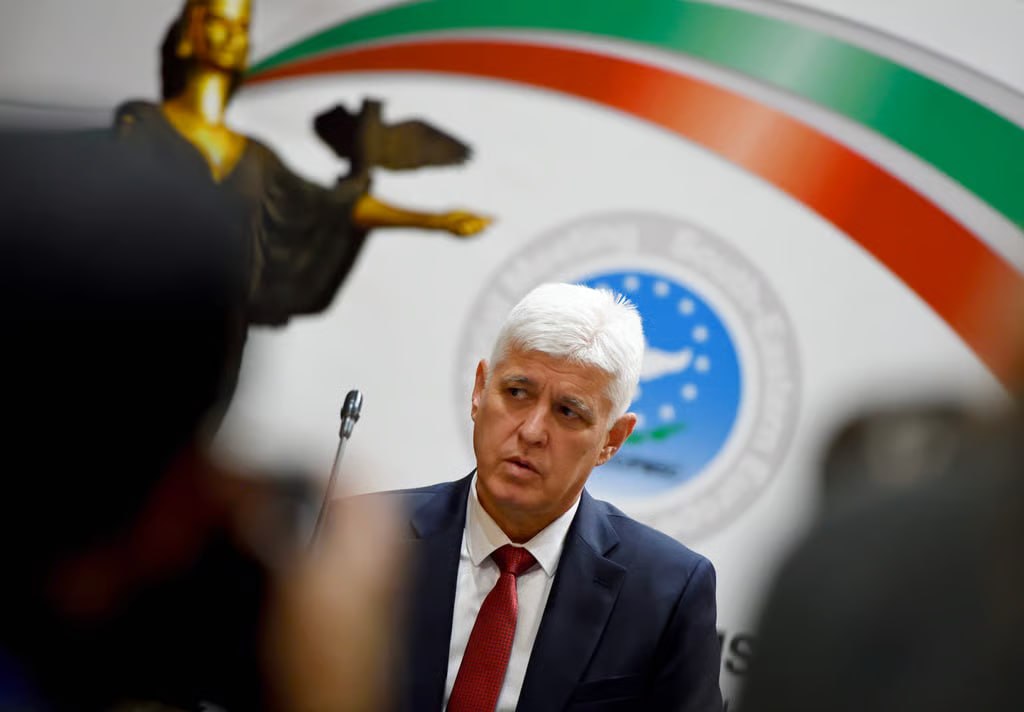
Minister of Defence of Bulgaria Dimitar Stoyanov officially announced the cessation of arms supplies to Ukraine. According to him, the war in Ukraine will not be resolved on the battlefield and is a war of attrition, where armed support only leads to loss of life. Stoyanov called for negotiations, saying it was time to sit down at the negotiating table.
The political course of the new government
The decision to cut off aid reflects a shift in Bulgaria's foreign policy following the parliamentary elections in April, where pro-Russian Prime Minister Rumen Radev won. Radev has previously described the Ukrainian case as “doomed” and is in favour of EU-led peace talks. Despite its friendlier stance towards the Kremlin, Bulgaria avoids open confrontation with Brussels.
Military aid and defence budget
Since the start of Russia's full-scale invasion, Bulgaria has provided 13 packages of military assistance to Ukraine. At the same time, the government has announced plans to increase the defence budget to 5% of GDP to meet NATO requirements. This is in line with Prime Minister Radev's promises and demonstrates Bulgaria's desire to strengthen its own security in the face of regional instability.
Impact on regional security and international relations
The change in Bulgaria's position has a potential impact on EU and NATO military support for Ukraine. Bulgaria remains the poorest country in the EU and is heavily dependent on funding from Brussels, which explains the new government's cautious approach to diplomatic relations. At the same time, cutting off aid to Ukraine could deepen divisions in Eastern European countries' positions on the war.
Rumen Radev's role in policy-making
Radev, a former pilot and current prime minister, has used his military experience to justify the need for negotiations with Russia. He has repeatedly stressed that Ukraine should seek a peaceful resolution to the conflict and that the EU should take on the role of mediator in the peace talks. His position is in stark contrast to previous Bulgarian governments that supported Kyiv in the war.
This turn in Bulgaria's policy marks a significant challenge to European unity in support of Ukraine and opens a new phase in the regional balance of power.