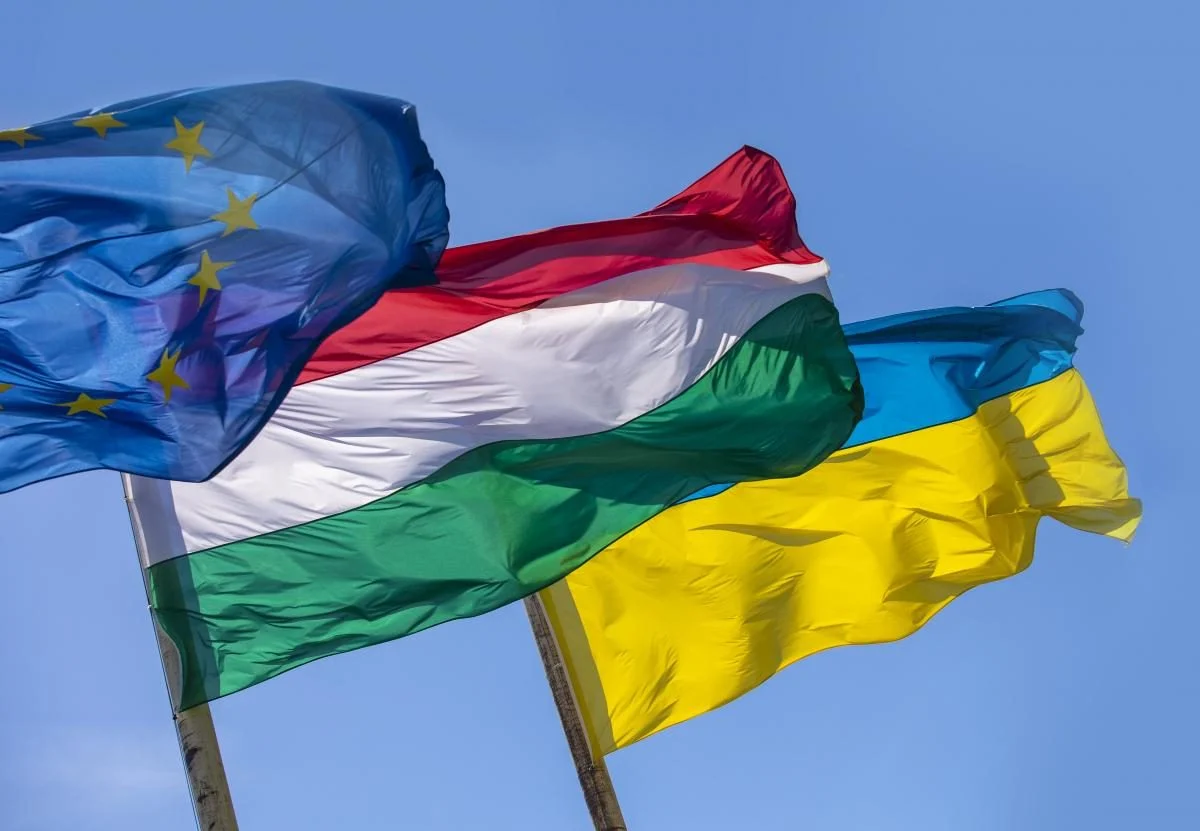
On 22 July, Hungary once again refused to approve the results of the screening of negotiation clusters 2 and 3 for Ukraine and Moldova at a meeting of the EU Council’s Working Group on Enlargement. An EU source informed *European Truth* of this. A new attempt is scheduled for 1 September, following the summer recess.
Briefly about the main points
- Hungary did not support the screening of clusters 2 and 3 for Ukraine and Moldova.
- The discussion within the COELA working group was the second to end without a result.
- The next attempt at approval has been scheduled for 1 September.
- Approval of the screening process triggers the procedure for submitting negotiating positions.
- Clusters 1 and 6 are already open for Ukraine and Moldova.
Technical phase prior to the opening of negotiations
This was not about the formal opening of new clusters, but about the approval of the results of their screening. Following this decision, Kyiv and Chișinău are due to receive letters inviting them to submit their negotiating positions. This sets in motion the preparations for the opening of the relevant cluster.
Cluster 2 is entitled «Internal Market», whilst Cluster 3 is entitled «Competitiveness and Inclusive Growth». As the matter has been postponed until at least the beginning of September, further technical preparations will not commence until the next COELA meeting.
The previous attempt also failed to resolve the issue
On 17 July, Hungary refused to initiate the procedure for opening both clusters for Ukraine. At the same time, Budapest was prepared to agree to Cluster 3 only for Moldova.
The other EU Member States did not support the separation of the parallel negotiation tracks for Ukraine and Moldova. Consequently, no decision was taken at that time either.
Which clusters are already open?
Ukraine and Moldova already have two open six thematic clusters EU accession negotiations. Cluster 1, «Fundamentals», was opened on 15 June, and Cluster 6, «External Relations», on 14 July.
The Council of the EU has stated that Cluster 6 covers chapters on external relations, as well as foreign, security and defence policy. The postponement of Clusters 2 and 3 does not formally halt the negotiation process, but it does delay its extension to the internal market and economic and social policies.
The decision in September will determine the future timetable
The meeting on 22 July was COELA’s last before the summer recess. According to «European Truth», before the break, the Irish Presidency had hoped to begin preparations for the launch of at least one further cluster, with a view to holding an intergovernmental conference in September.
This timetable will now depend on whether the screening results can be agreed upon on 1 September.