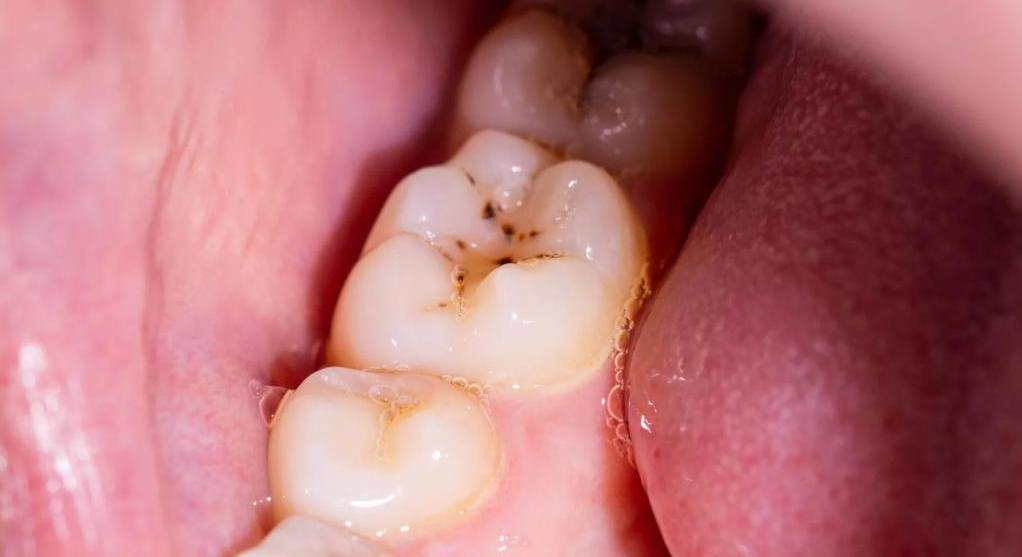
British scientists have developed a fluoride-free gel capable of repairing damaged tooth enamel using minerals found in saliva. The material stimulates the formation of new crystals, which bond with the tooth’s natural structure. Laboratory tests have shown that the restored enamel can withstand stresses such as chewing, brushing and exposure to acidic foods, and its mechanical properties are similar to those of healthy enamel.
- British scientists have developed a gel that helps to repair damaged tooth enamel.
- The material is fluoride-free and utilises calcium and phosphates from saliva.
- The new mineral crystals bond with the natural structure of the tooth enamel.
- Laboratory tests have confirmed the resistance of the restored enamel to mechanical stress.
- The technology is being prepared for practical application.
How the new gel restores tooth enamel
Tooth enamel is the hardest tissue in the human body; however, once it has suffered significant damage, it is unable to repair itself. Unlike bones, it does not contain living cells that could form new tissue to replace what has been lost.
Researchers at the University of Nottingham have developed a protein-based material that mimics the natural mechanisms of enamel formation in early life. Once applied, the gel forms a thin, strong layer that penetrates microcracks and irregularities in the tooth’s surface.
This layer acts as a framework for the formation of a new mineral structure. It draws in calcium and phosphate ions from saliva and directs them into ordered crystals, which bond with the existing enamel.
The process is known as epitaxial mineralisation. What makes it unique is that new crystals form in accordance with the structure of natural enamel, rather than simply creating a separate protective coating.
The restored enamel has withstood the test of chewing and acids
To test the material’s effectiveness, the researchers investigated its mechanical properties under conditions that simulate everyday use of the teeth.
In particular, the restored enamel was tested for its resistance to brushing, chewing forces and the effects of acids found in food.
The results showed that the newly formed mineral structure behaves similarly to healthy enamel in terms of its mechanical properties.
The researchers also found that the material can be applied to exposed dentine — the tissue beneath the enamel. In this case, an enamel-like layer is formed, which has the potential to reduce tooth sensitivity and improve the bond between dental restorations.
When will the enamel-restoring gel become available at dentists’ surgeries?
The developers anticipate that the new material will be applied in much the same way as dentists currently use fluoride-containing products to protect teeth. The procedure will not require complex equipment or a lengthy treatment.
The professor’s team Álvaro Mati has already begun commercialising the technology through Mintech-Bio. Potential applications include the treatment of enamel erosion, reducing tooth sensitivity and preventing further damage to the tooth surface.
However, success in the laboratory does not yet mean that the gel can completely replace fillings or other dental procedures. Clinical trials involving patients are needed to confirm its long-term effectiveness and safety.