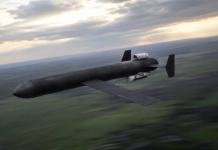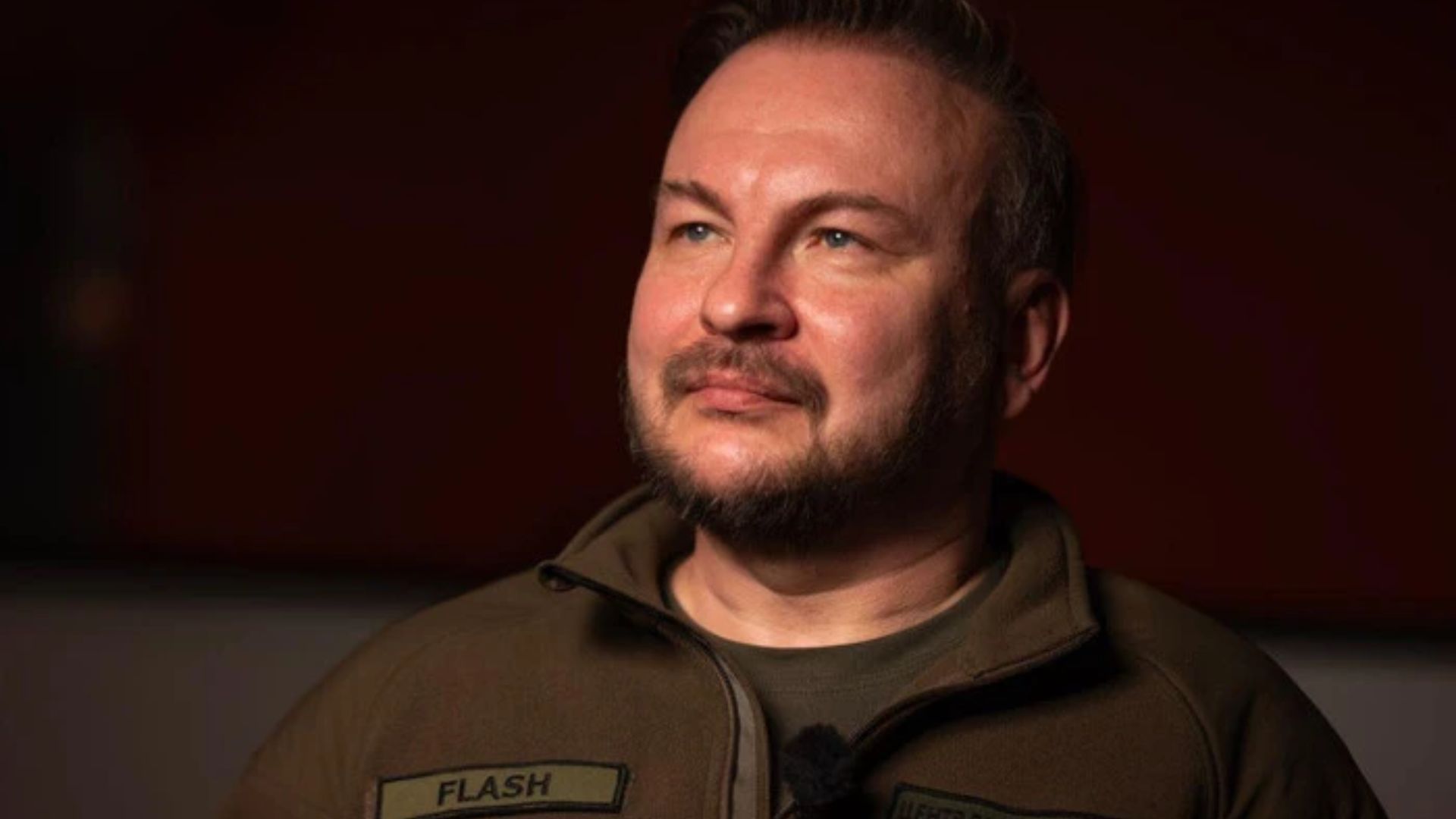
Restrictions on Starlink satellite communications imposed by SpaceX could affect Ukrainian drones designed to intercept «Shahed» rocket-powered drones, said Serhiy Beskrestnov, the President’s adviser on defence technologies. According to him, changes to the Starshield military package have already affected the Defence Forces’ operations: the command was not warned, resulting in several combat missions being disrupted.
Briefly about the main points
- According to Beskrestnov, SpaceX adjusted Starshield’s operations whilst it was in flight.
- The stated speed limit is 100 miles per hour, or around 160 km/h.
- The military also recorded brief interruptions at lower speeds.
- Communications are critical for controlling interceptors of high-speed aerial targets.
- SpaceX has not publicly explained to Reuters the reasons for the new restrictions.
Interruptions were recorded below the stated speed threshold
According to Beskrestnova, restrictions on terminals Starshield came into effect on the night of 14 October. The stated threshold is 100 miles per hour — approximately 160 km/h. However, the Ukrainian military reports that the problem arises even at lower speeds.
Reuters, citing the 7th Rapid Response Corps, reported that communication was lost for 10–20 seconds whilst flying at speeds of 110–120 km/h. Drones They did not stop, but it was becoming more difficult to control them. Volunteer Serhiy Sternenko, citing military personnel, reported isolated instances of loss of contact even at speeds of 60–70 km/h.
A stable data channel is required for high-speed interception
Beskrestnov said Starlink a key component of one of the most effective solutions currently available against Russian jet-powered drones. Interceptor drones They are used to engage high-speed aerial targets, so the loss of the data link whilst in flight may prevent the mission from being completed, even if the aircraft is technically capable of catching up with the target.
Satellite communications are used to coordinate units, transmit information, control drones and carry out certain logistical operations. According to Reuters, the new restrictions have already hampered the operations of Ukrainian attack drones in the occupied territories.
The problem arises at a time when Ukraine is scaling up its capabilities to counter «Shahed» drones. At the end of September, the President Volodymyr Zelenskyy reported that the success rate for shooting down or neutralising such drones stood at 57%, whilst for conventional attack drones, the benchmark was said to be over 90%.
SpaceX has not publicly explained the reasons behind its decision
Beskrestnov suggested that the changes might be linked to the current political situation, but did not provide any evidence of such a link. Reuters reported that the restrictions were introduced against the backdrop of pressure from Washington on Kyiv to cease strikes on Russian oil refineries; however, no causal link between these events has been established.
As of 14 October, SpaceX had not provided Reuters with a public explanation for the changes.