In Kyiv and parts of the Kyiv region, emergency power cuts were introduced on the morning of 9 October 2026 following further Russian attacks on the energy infrastructure. According to DTEK, the usual power supply schedules are temporarily suspended on the right bank of the capital. Emergency restrictions have also been imposed in the Bucha and Vyshhorod districts of the region. Against the backdrop of power supply issues, Kyiv residents are reporting disruptions to the water supply and the metro service. Utility services are continuing to restore the stable operation of the city’s infrastructure.
Emergency power cuts in Kyiv on 9 October: where the scheduled cuts do not apply
On the morning of 9 October, the energy company DTEK announced the introduction of emergency power cuts on the instructions of NEC «Ukrenergo». At 05:35, the company clarified that the emergency restrictions were in force on the right bank of Kyiv, as well as in the Bucha and Vyshhorod districts of the Kyiv region.
During emergency power cuts, previously published hourly schedules do not apply. This means that the duration of the power cut may not correspond to the forecast schedule. At the same time, DTEK has noted that hourly schedules remain in force on the left bank of the capital and in other areas of the Kyiv region.
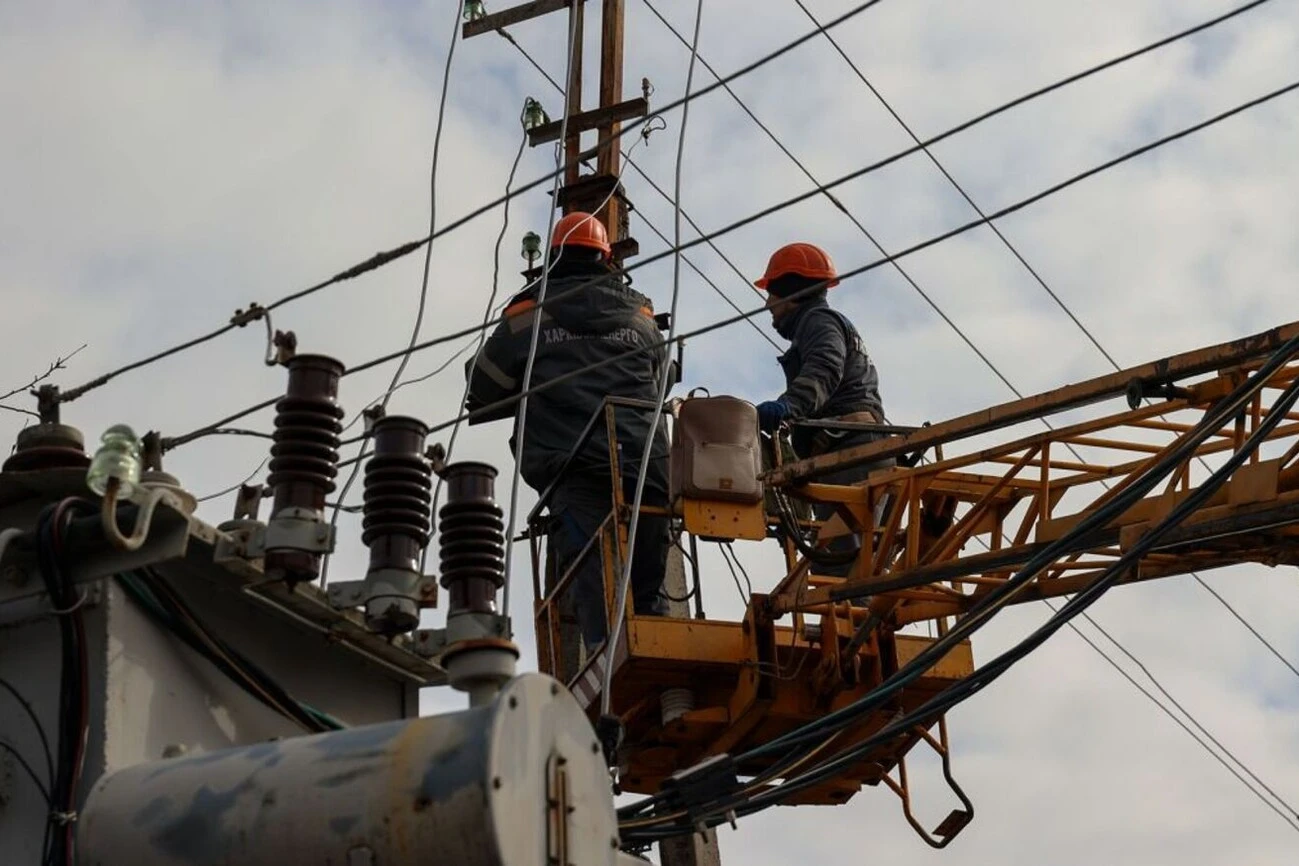
Energy companies are working to stabilise the electricity supply. The morning update did not specify when the emergency restrictions would be lifted.
Why are the lights going out again in Kyiv?
The new emergency restrictions were prompted by the consequences of of Russian attacks on energy infrastructure. Due to damage to power grid facilities, energy companies are forced to make rapid adjustments to the system’s operating mode in order to avoid further incidents and ensure the supply of electricity to critical infrastructure.
The situation has remained unstable over the last few days. On 8 October, emergency power cuts were also introduced in Kyiv, but these were subsequently lifted, with consumers returning to hourly power supply schedules.
However, following further attacks, it became necessary to reimpose emergency restrictions.
It is important to distinguish between two modes:
-
Scheduled power cuts — the electricity supply is cut off according to a published timetable for specific groups of consumers.
-
Emergency power cuts — the electricity supply is restricted without following the usual schedule, and the exact time of restoration may not be known in advance.
DTEK announces changes to the electricity supply schedule via official channels. Residents are advised to check the information for their specific address.
The Green Metro Line: are trains running between the two banks of Kyiv?
Against the backdrop of power cuts in the capital, there were also restrictions on services on the Syretsko-Pecherska, or ‘green’, metro line.
On 8 October, metro services in Kyiv were temporarily suspended due to disruptions to the external power supply. Services were subsequently resumed on all three lines, although train intervals were extended. Separately, a special operating regime is in place on the Green Line due to previous damage to the infrastructure of the South Bridge.
According to the rules published by the Kyiv Metro on 4 October, during yellow level In the event of an air threat, trains may carry passengers between the banks of the Dnipro. During a red alert, the ground section is closed to traffic, and trains run on separate sections between the stations «Syrets» – «Vydubychi» and «Osokorky» – «Chervonyi Khutir».
What is known about the damage to the energy infrastructure
Reports of repeated strikes on targets are circulating on social media the main electricity grid, which supply electricity to Kyiv. As of the morning of 9 October, there is no officially confirmed information regarding the targeting of a specific substation or the extent of the damage it has sustained.
Energy companies have confirmed power cuts caused by Russian attacks, but have not disclosed any detailed information about the damaged facilities.
The Ministry of Energy has also urged people not to publish photographs of the sites where strikes occurred or of the repair work being carried out, as such material could be used to plan further attacks.