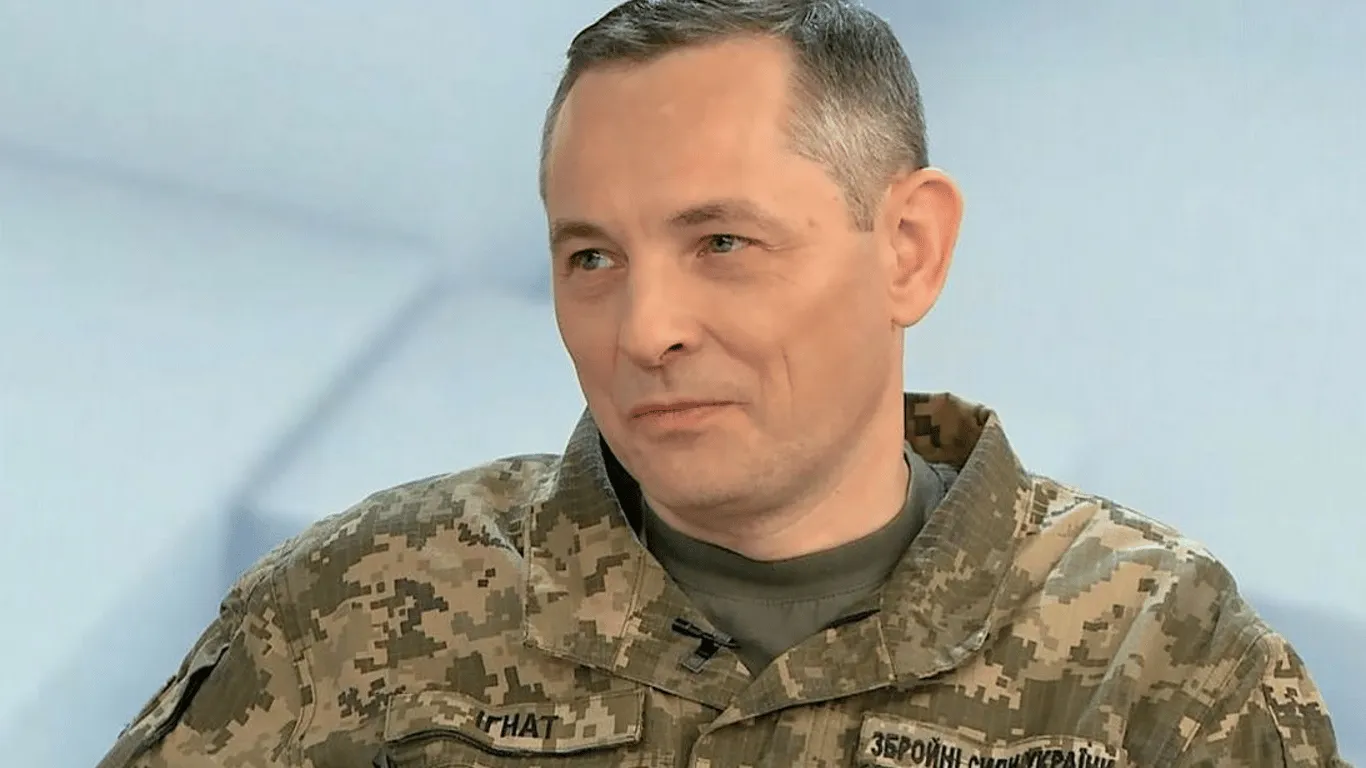
Russia is preparing new waves of drone strikes from several directions at once, and the air attacks may continue throughout 14 September. This was stated by Yuriy Ignat, a spokesperson for the Ukrainian Air Force. According to him, the enemy is currently attacking the Odesa region, but new groups of drones may also approach from the north and east. Russia has stockpiled a significant number of conventional «Shahed» drones with internal combustion engines and is attempting to launch them in several waves.
- Russia is preparing new waves of drone strikes from several directions at once.
- The threat persists from the north and east of Ukraine.
- The attacks on 14 September may continue throughout the day.
- Russia has stockpiled a significant number of conventional «Shahed» drones.
- Air defence systems destroy around 90% of such targets, but some of the drones manage to get through.
- Jet-powered drones remain more difficult to intercept.
Russia may attack Ukraine from the north and east
Yuriy Ignat reported that a Russian attack was already underway in the Odesa region this morning, but that it might not stop there.
«There are reports that the enemy may launch an attack today from both the north and the east,» said a spokesperson for the Air Force.
According to him, Russia has amassed a large number of drones powered by internal combustion engines — that is, conventional, non-jet strike drones.
In recent days, the Russian Federation has been sending large numbers of precisely these aircraft to western Ukraine, utilising their long range and complex flight paths.
Ignat warned that drones might fly in in several waves, so repeated and prolonged episodes are possible throughout the day air raid warning.
The attacks may continue throughout the day
The Air Force has not specified the exact number of drones ready for launch, nor has it given an exact timeframe for the next waves.
At the same time, Ignat issued a direct warning:
«It is expected that these attacks may continue throughout the day.».
The spokesperson emphasised that even a standard «Shahed» with a piston engine remains a dangerous weapon of mass destruction, so it is essential to take cover when the air-raid siren sounds.
To repel attacks, Ukraine is deploying aircraft, anti-aircraft missile systems, mobile fire units and other air defence assets.
Air defence forces shoot down around 90% conventional «Shaheds»
According to Ignat, the effectiveness of air defence The risk posed by drones powered by internal combustion engines remains high.
The result of the interception is approaching 90–100%, yet even if only a few per cent of drones manage to get through, they can cause significant damage.
Recent Russian strikes have targeted railways, logistics routes, energy infrastructure, industrial facilities and civilian sites.
According to President Volodymyr Zelenskyy, in the past week alone, Russia has used the following against Ukraine around 2,100 drones, nearly 1,700 guided bombs and 78 missiles of various types.
There was a record number of jet drones in August
Ignat went on to explain the change in Russian tactics.
Towards the end of the summer, the Russian Federation significantly stepped up its use of jet-powered drones. According to the Air Force, in In June, around 350 such devices were recorded; in July, 1,500; and in August, approximately 2,800.
Reactive drones were used particularly intensively against Kyiv and the Kyiv region.
Ignat suggests that Russia may have used up a significant proportion of its stockpile of jet-powered UAVs in August, which is why it is now relying once again on conventional «Shaheds».
There is also a geographical reason: jet-powered models have a shorter range, so it is more advantageous to use piston-powered drones for strikes on the western regions of the Russian Federation.
Jet-powered «Shaheds» are harder to shoot down
Ukrainian mobile units are highly effective against conventional drones, but jet-powered aircraft are a more challenging target.
Due to the significantly higher speed, air defence forces have less time to detect, track and open fire.
That is precisely why, according to Ignat, the percentage of jet drones destroyed is lower than that of conventional «Shaheds».
At the same time, Russia is constantly changing its tactics, combining different types of drones and flight paths in an attempt to identify weaknesses in Ukraine’s air defence system.
Russia is attempting to overwhelm Ukraine’s air defence system
The latest attacks show that Moscow is increasingly spreading its strikes out over time, rather than launching a single, short, concentrated barrage.
Drones are launched from various areas, in groups and at long intervals. This forces the Ukrainian air defence forces, air force and mobile fire units to operate for many hours on end.
Ignat emphasised that it is impossible to completely block all routes due to Ukraine’s vast territory. That is precisely why some drones still manage to get through to their targets.
As of the morning of 14 September, the Air Force expects Russian attacks to continue throughout the day. The specific directions and scale of subsequent waves will depend on the launches, so official announcements from the Air Force and air-raid alerts remain the most reliable sources of information.