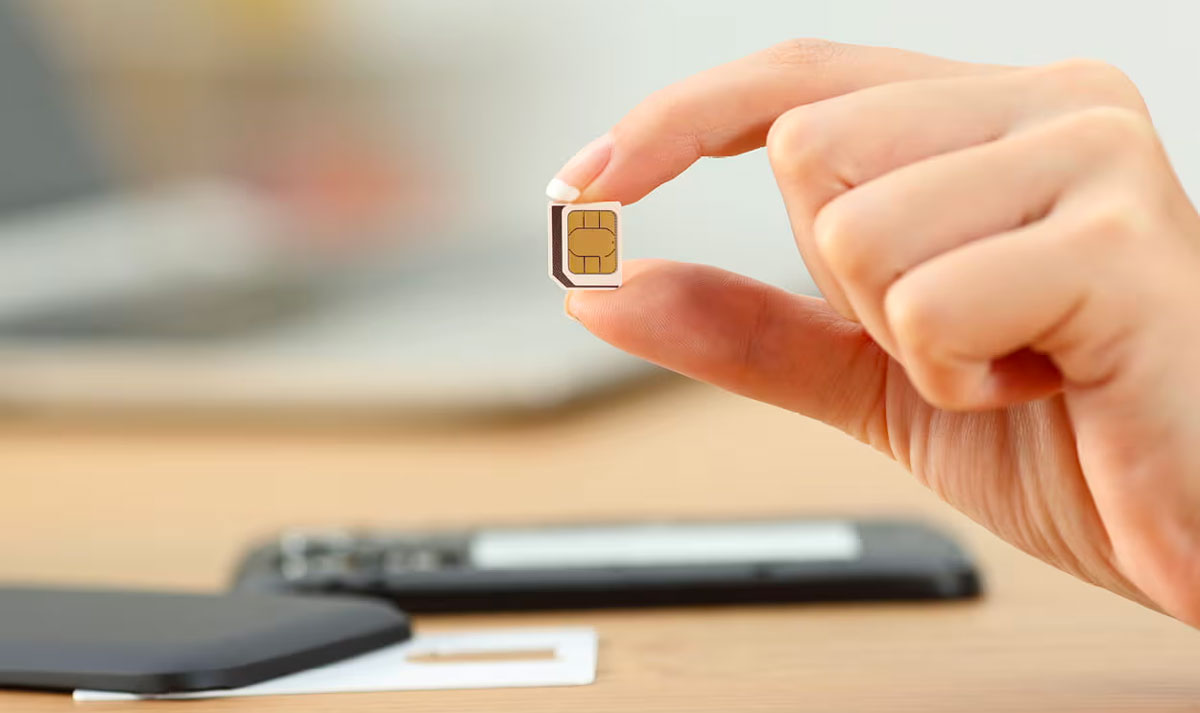
Ukrainians are once again being warned about a dangerous scam SIM swap — the unauthorised reissuing of a SIM card without the owner’s knowledge. Once they have gained control of a mobile number, fraudsters can intercept SMS codes, regain access to online banking, email and social media, and, in some cases, take out loans in the victim’s name. In early September, the National Police once again issued a warning about this threat.
- Fraudsters may reissue someone else’s SIM card.
- After that, they gain control of the number.
- Banks, the post office and social media are under threat.
- Remote SIM replacement can be subject to further restrictions.
- It is best to link the financial reference number to the documents.
How SIM cloning scams work
The diagram is called SIM swap. The aim is to convince the mobile operator that the fraudster is the owner of the number, and then to obtain a new SIM or eSIM with the same number.
To do this, the criminals gather information about the victim in advance. They may to make phone calls pretending to be from a bank, a mobile network operator, a delivery service or any other company, to send phishing links or trick people into revealing codes from text messages.
The National Police note that one possible scenario could be a series of calls from different numbers, during which they try to persuade the person to ring back. This is how the fraudsters obtain additional information about the number’s activity, which they may need for the process of restoring it.
Once the SIM card has been successfully reissued, the victim’s old SIM card may suddenly lose network coverage, and text messages and calls will start coming through to the attackers instead.
Why losing your number is particularly dangerous
A telephone number is often used as a means of verifying a person’s identity.
Therefore, gaining control of a SIM card could enable fraudsters to reset account passwords, obtain transaction verification codes and attempt to log in to financial services.
The National Bank expressly recommends link your financial reference number to your passport details or switch to a contract-based service, as well as disable the option to replace the SIM card remotely.
The issue remains relevant for the financial sector as well. In August 2026, the Association of Ukrainian Banks specifically identified customer identification during SIM reissuance as one of its new areas of focus in the fight against fraud.
How to protect your SIM card
The most effective course of action is to contact your mobile network operator and find out, Is it possible to ban or restrict the re-issuing of number plates as much as possible?.
The Cyber Police recommend introducing a restriction whereby a SIM card can only be replaced after the owner has been identified in person. It is also advisable to register a pay-as-you-go number against your personal details or switch to a contract plan.
A separate number for banking transactions is recommended Do not post on social media, in advertisements or on public profiles. This will make it harder for fraudsters to link it to a specific person and their financial accounts.
At the same time, the terms and conditions for reissuing SIM cards vary depending on the operator. For example, Vodafone offers a separate service to restrict remote SIM replacement and carries out additional checks if this service is activated. Kyivstar also allows customers to set up an additional block on self-service SIM replacement.
Do not share the codes from the text messages with anyone
One of the most common scams is a call supposedly from a mobile network operator.
A person may be told that someone is apparently trying to reissue their SIM card, and asked to provide a code from an SMS «to cancel the request». In reality, this code may be used by the fraudster to confirm the transaction.
The National Bank specifically refers to this scenario in its anti-fraud materials and emphasises: Secret codes must not be disclosed to unauthorised persons.
Similarly, you should not click on links in suspicious messages or enter your usernames, passwords or bank details on third-party websites.
What to do if your SIM card suddenly stops working
If your phone has suddenly lost its mobile network connection for no apparent reason, and restarting it doesn’t help, this may be a sign that your SIM card has been reissued.
In such a situation, it is worth contact your mobile operator immediately using a different number and ask them to check whether the SIM or eSIM has been replaced.
If the reissue has been confirmed, you should immediately notify the bank, block your cards or access to online banking, and change your passwords for email, social media and other important services.
The State Special Communications Service also recommends, where possible, switching from SMS codes to more robust multi-factor authentication, as SIM swapping allows cybercriminals to intercept one-off SMS codes.
Where to turn after falling victim to fraud
If the criminals have already gained access to your phone number or money, you must report this to the police and the Cyber Police.
An official online complaint can be submitted via the Cyber Police website. A helpline is also available 0 800 505 170.
Submit a report to the Cyber Police
If fraudsters have obtained your bank card details or gained access to your account, the National Bank advises that, first and foremost, contact the bank immediately and freeze the accounts, and only then should you contact the police.