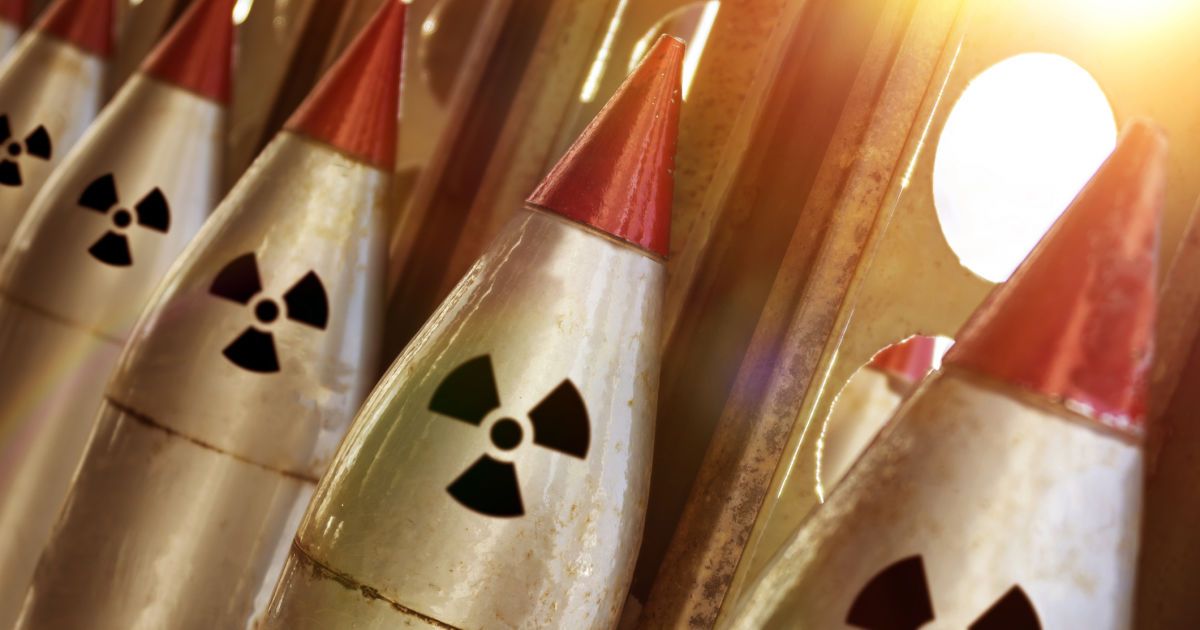
The UK has clarified that the nuclear protection of its nine partners in the Joint Expeditionary Forces is ensured by NATO’s existing deterrence system. The embassy in Helsinki explained this to Yle following reports of a separate «nuclear umbrella». The agreement, scheduled for November in Oslo, is intended to deepen defence cooperation, not to create a new nuclear mechanism.
Briefly about the main points
- The UK has linked the nuclear protection of JEF participants to the NATO system.
- The Embassy in Helsinki has clarified the interpretation of statements regarding the «umbrella».
- All ten JEF states are members of the Alliance.
- An agreement on closer defence coordination is expected in Oslo in November.
- The JEF Maritime Partnership covers training, logistics and interoperability.
Statement from the UK following the remarks by the Chief of the Royal Navy
The reports were prompted by an interview with the head of the Royal Navy Gwena Jenkins to the Finnish newspaper Iltalehti. When asked about the role of nuclear deterrence within the JEF, he said that all members of the alliance are part of NATO, whilst Britain’s nuclear forces ensure the Alliance’s defence.
The British Embassy in Helsinki confirmed this interpretation to Yle. The broadcaster updated its report following the diplomatic clarification.
Which countries are members of the JEF, and what does NATO guarantee?
Alongside the United Kingdom, the JEF comprises Denmark, Estonia, Finland, Iceland, Latvia, Lithuania, the Netherlands, Norway and Sweden. All of them are NATO allies.
JEF operates independently of Alliance structures, but is intended to complement them. The UK has been committing its nuclear forces to the defence of NATO allies since 1962, so the forthcoming signing does not entail any new commitment towards these nine states.
What is the basis of British nuclear deterrence?
The cornerstone of the UK’s nuclear deterrent is its ballistic missile submarines. London maintains a continuous naval patrol: at least one such submarine is always at sea.
The British Government defines the purpose of this system as deterring the most serious threats and protecting the country and its NATO allies. Nuclear forces form part of the Alliance’s broader defence and do not imply the automatic use of nuclear weapons in response to every attack.
Maritime coordination will become a practical focus of JEF
On 9 July, ten countries agreed on a new format for their maritime partnership. It provides for the coordination of exercises, operational planning and logistical support, as well as improving the interoperability of equipment, ammunition and personnel.
The aim of the format is to enable navies to rapidly form joint forces in the event of an escalation. If necessary, they will be able to come under NATO command. The JEF also identified hybrid threats and risks associated with Russia’s «shadow fleet» as areas for response. As of 29 September, the November agreement in Oslo remains on the agenda.