The three-day «Xiangshan» defence forum is set to open in Beijing on 15 September, at which China will promote closer international cooperation in a multipolar world and argue that Asian countries should take greater responsibility for regional security. The event is taking place against a backdrop of tensions surrounding Taiwan and the South China Sea, as well as doubts about US commitments in Asia.
Briefly about the main points
- The «Xiangshan» Forum in Beijing will take place from 15 to 17 September.
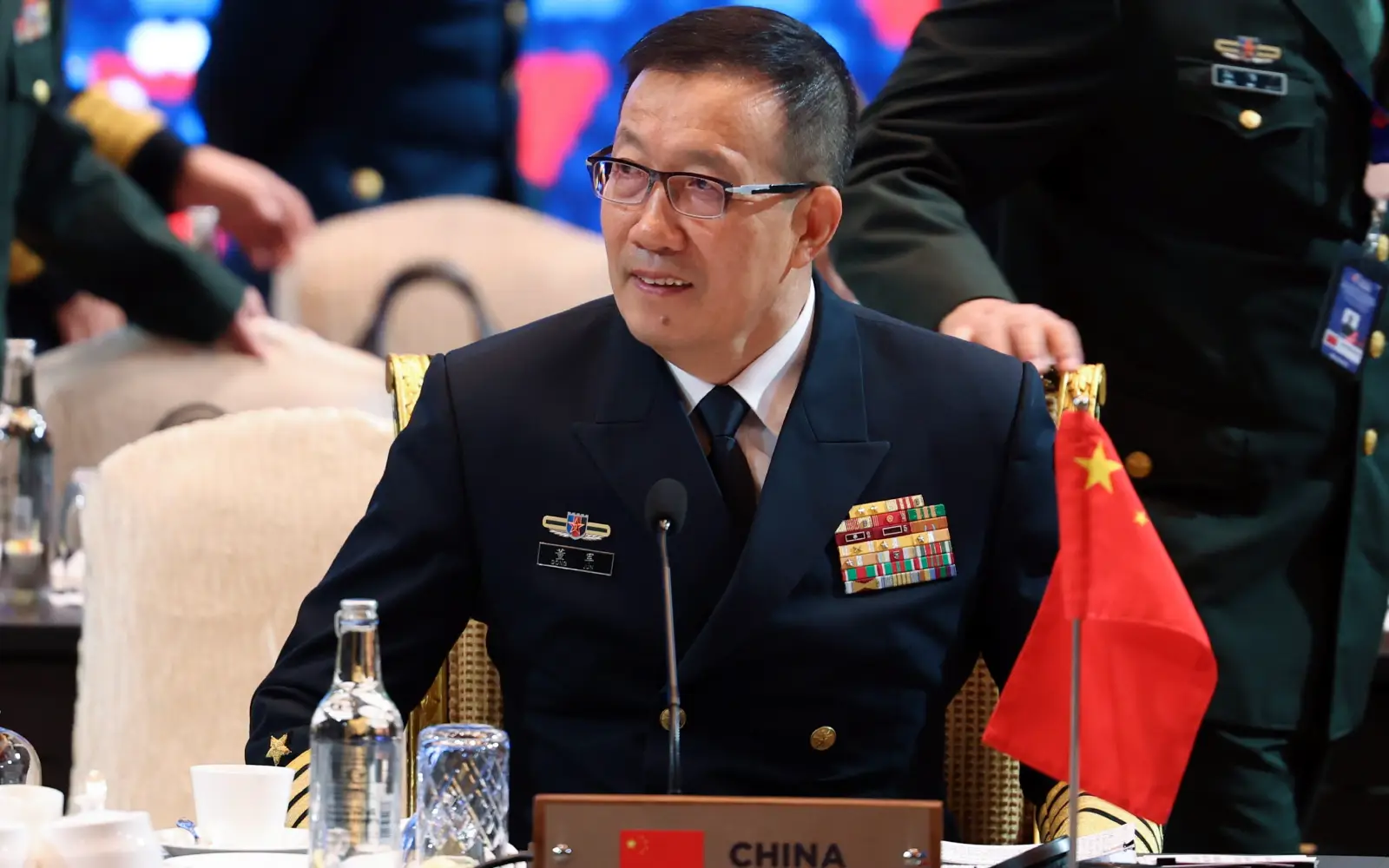
- The event is to be opened by the Minister of Defence of the People’s Republic of China, Dong Jun.
- The US will be represented by Pentagon official Cynthia Karras.
- Vietnam is sending its Minister of Defence, whilst Malaysia is sending his deputy.
- The scepticism of neighbouring countries regarding the PRC’s actions limits its regional influence.
Beijing is preparing a message on a multipolar world order
Minister of Defence of the People’s Republic of China Dong Jun is due to speak on Tuesday. Diplomats and analysts expect him to call for greater international cooperation in a multipolar world and may offer veiled criticism of the US and its allies.
This rhetoric is in line with recent statements Xi Jinping on the need for greater representation of countries from the Global South in international affairs. At this month’s Shanghai Cooperation Organisation summit, he described the dominance of a few states in global governance as unfair.
The official theme of the 13th Forum is «Reaching a consensus on stability, jointly promoting security governance». The programme covers the international order, strategic stability, local conflicts, risks in the Asia-Pacific region, maritime security and the use of new technologies in the military sphere.
The composition of the delegations reflects a diplomatic balance
Hundreds of military personnel, diplomats and academics from dozens of countries are expected to attend the event. Established in 2006, China presents the forum as a platform bringing together defence leaders and experts; it is often compared to Singapore’s Shangri-La Dialogue, although the Beijing event has a much more scripted and controlled format.
According to a US official, the American delegation will be led by the Pentagon’s Director for China, Taiwan and Mongolia Cynthia Karras. Vietnam is sending its Minister of Defence Fan Wang Xiang, whilst Malaysia will be represented by the Deputy Minister of Defence Adli Zakari.
Western countries usually send relatively low-level delegations to Beijing. At the same time, some countries in the region are represented by ministers, in an effort to maintain relations with both China and the US — a long-standing defence partner in East Asia.
Mistrust of China is limiting the scope for its proposals
Uncertainty surrounding US security guarantees gives Beijing the opportunity to persuade its neighbours of the benefits of a regional approach to defence, according to an expert at the Brookings Institution Patricia Kim. However, according to her, Asian nations remain deeply sceptical due to the PRC’s increasingly assertive behaviour, particularly in the South China Sea.
This scepticism has been fuelled by a recent incident between the Philippines and China: the Philippine Coast Guard stated that on 7 September, Chinese forces fired flares at an unarmed Philippine aircraft. Beijing, for its part, has called on Manila to cease its «provocations» and has reaffirmed its position on the 2016 arbitration ruling.
Some Asian diplomats and analysts suggest that harsh criticism of Washington may be toned down due to Xi’s visit to the US, scheduled for the end of September, to meet President Donald Trump. Japan, on the other hand, may become an easier target: researcher James Char predicts accusations regarding its military past and alleged remilitarisation.
Foreign participants will be keeping a close eye on the future generals
The forum will take place ahead of next year’s party congress, which is set to confirm the new composition of the Central Military Commission — the highest command body of the People’s Liberation Army of China. Currently, only two of the seven seats on the council are filled, one of which is held by Xi Jinping as supreme commander of the armed forces.
According to Chara of the S. Rajaratnam School of International Studies in Singapore, the meetings in Beijing could provide foreign defence delegations with an opportunity to meet potential members of the next generation of the PRC’s military leadership.