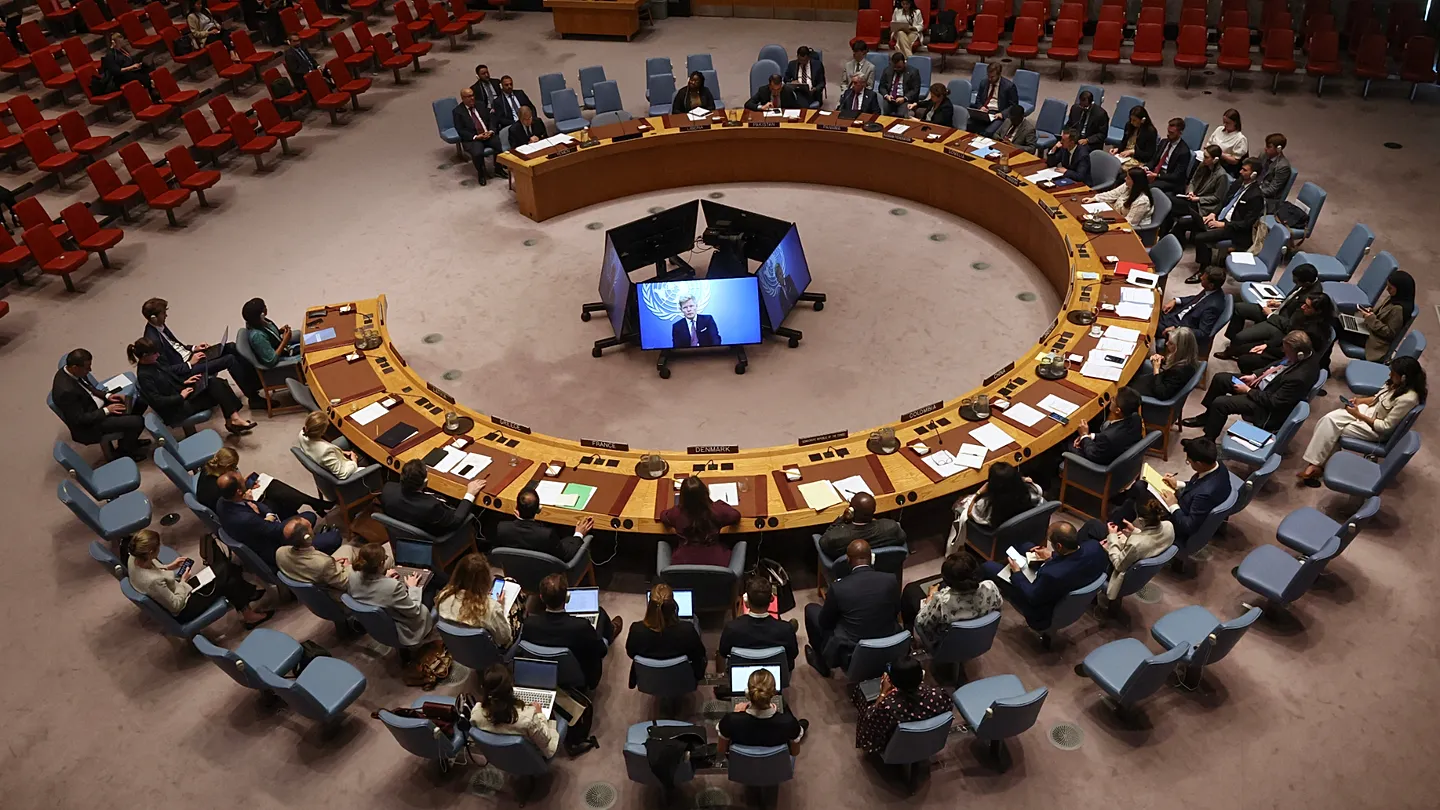
For the first time, Germany failed to be elected as a non-permanent member of the UN Security Council for a two-year term that will begin on 1 January 2027. Portugal and Austria received a majority of votes in a secret ballot in the UN General Assembly. Germany's foreign ministers attribute the defeat to its position on the Middle East and Russia's influence.
- Germany did not receive a non-permanent seat on the UN Security Council for 2027-2028.
- Portugal and Austria received significantly more votes at the UN General Assembly.
- The German Foreign Ministry attributed the defeat to its position on the Middle East and Russian pressure.
- Chancellor Friedrich Merz acknowledged the failure but reaffirmed his support for the multilateral system.
- The opposition in Germany called the results of the vote a loss of international credibility.
Voting results at the UN General Assembly
During the secret ballot at the UN General Assembly Portugal and Austria won the two non-permanent seats on the Security Council from the Western Europe and Other States regional group. Portugal received 134 votes and Austria 131, while Germany received the support of only 104 member states, falling short of the required two-thirds majority. This was the first time that Germany failed to take a seat on the Security Council in a decade of steady success.
Political implications for Germany
Chancellor Friedrich Merz commented on the defeat, emphasising that Germany will remain a reliable pillar of the multilateral system despite the election setback. The country's opposition parties described the results as a «disgrace» and a signal of a loss of international credibility. This diplomatic failure could affect Germany's role in global politics and its position in international organisations.
The role of Germany's position on the Middle East
Minister of Foreign Affairs Johannes Wadefuhl called the vote a «bitter defeat» and attributed it to Germany's uncompromising position in the Middle East conflict, which was not supported by all UN members. He stressed that the country would retain its historical responsibility for Israel, despite the loss of votes. This was one of the key factors that influenced the outcome of the vote.
Russia's influence on the voting results
Wadeful openly accused the Russian Federation of a targeted diplomatic campaign against Germany's candidacy. Moscow, he said, was actively inciting other countries against Germany because of its support for Ukraine military and financial assistance. This was one of the important factors of sabotage that influenced the decision of the General Assembly.
The international context and the German perspective
The defeat of Germany's candidacy for the Security Council comes amid growing international competition for influence in key UN structures. Losing its seat on the Security Council could weaken Germany's position in shaping global security policy. At the same time, the country continues to be an active participant in multilateral negotiations and maintains strategic partnerships in Europe and around the world.