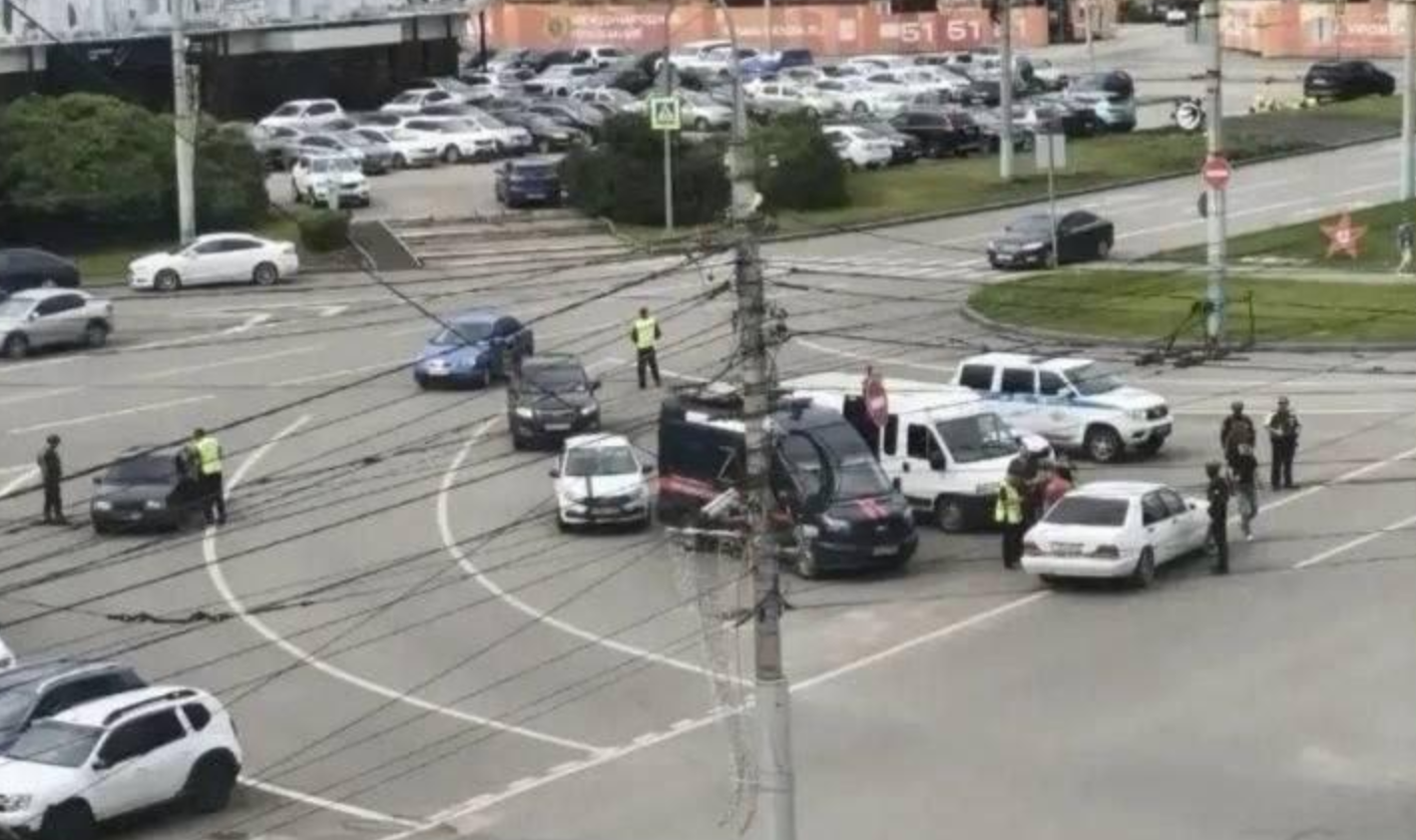
In several regions of the Russian Federation, there has been an increase in the number of men being detained on the streets with the aim of forcing them to sign contracts with the Ministry of Defence. These raids are taking place against the backdrop of an acute shortage of personnel in the Russian army, which is forcing the Kremlin to step up covert mobilisation and pressure on various social groups within the population.
- Raids to round up men and sign them up to contracts with the Russian Ministry of Defence have intensified in Russian regions.
- Covert mobilisation is aimed at avoiding the political risks associated with official conscription.
- The authorities are putting pressure on students, migrants, debtors and socially vulnerable groups to enlist in the army.
- Pay for contract soldiers has risen to several million roubles, but the number of new recruits is still insufficient.
Large-scale raids and arrests in Russian regions
In the towns of Penza, Kamenka and Kuznetsk in the Penza Region, numerous raids have been reported, during which security forces are detaining men to enlist them under military contracts. Video footage from the scenes shows document checks and the police working alongside representatives of the military recruitment offices. The frequency of such operations indicates that this is a systematic practice covert mobilisation, which is taking place in the regions of the Russian Federation.
The Russian authorities are avoiding announcing new waves of conscription in order to steer clear of political risks and public discontent. Instead, pressure has been stepped up on students, debtors, migrants and socially vulnerable groups. These groups are becoming the main targets for military recruitment through coercive methods and raids, which significantly expands the scale of covert mobilisation.
Financial incentives and their ineffectiveness
Due to an acute shortage of volunteers The Kremlin is increasing the sign-up bonuses for contract soldiers. In some regions, one-off payments to contract soldiers amount to several million roubles. Despite this, such financial incentives are failing to ensure the necessary replenishment of the army’s ranks. Coercive methods remain the main tool for manning the troops.
Military casualties and open-ended contracts
Pros. information According to British intelligence, mobilised Russians are often forced to sign open-ended contracts due to heavy losses at the front. This highlights the critical nature of the Kremlin’s situation in maintaining the army’s combat readiness, leading to the use of radical recruitment measures and covert mobilisation.