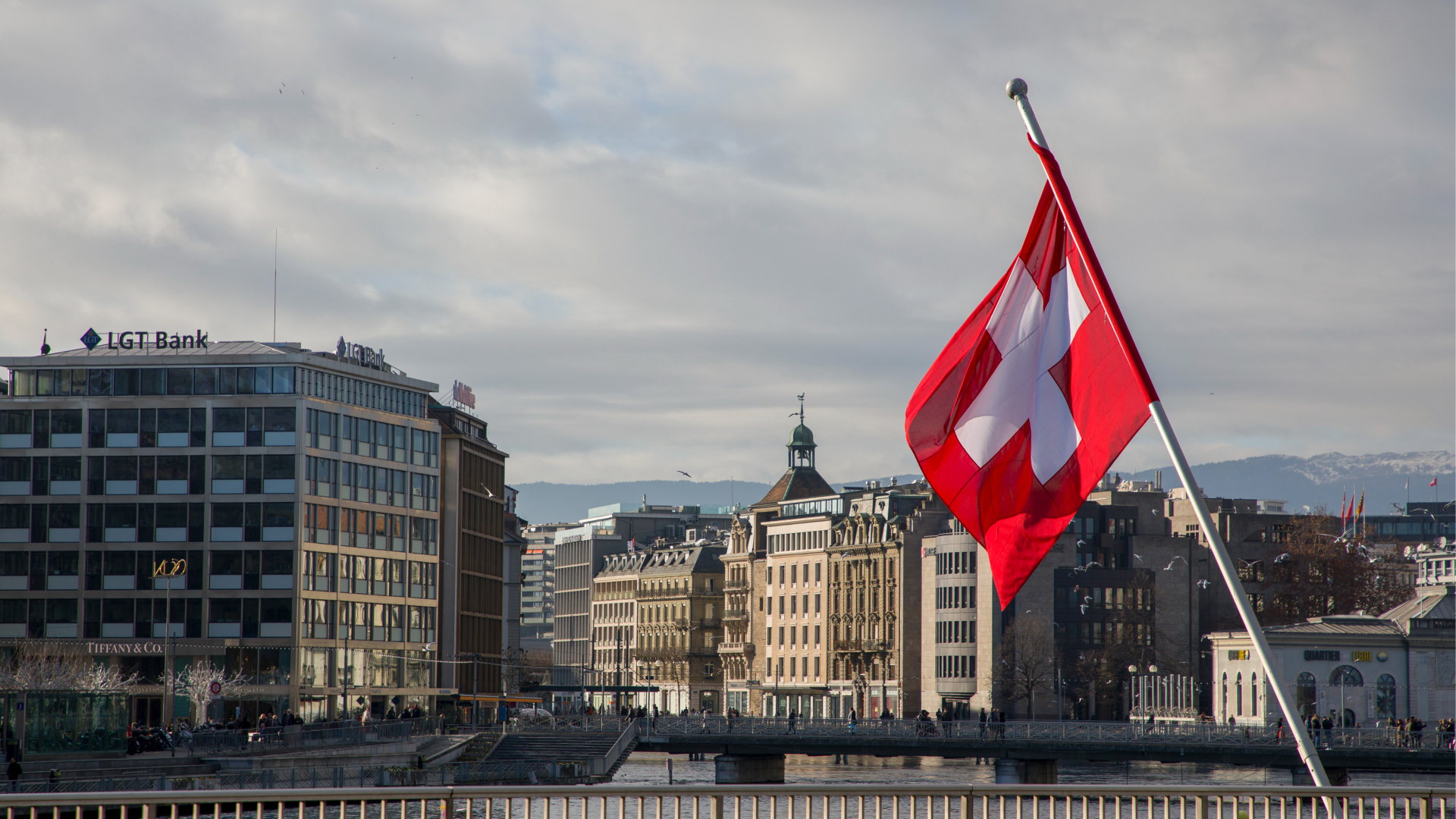
On 27 September, Switzerland will hold a referendum on enshrining stricter neutrality in the Constitution. The initiative could prevent Bern from joining EU sanctions against Russia in their current form and limit its cooperation with military alliances. The Federal Council and Parliament oppose the changes, which they believe will restrict the country’s freedom of action.
Briefly about the main points
- The initiative proposes to enshrine permanent and armed neutrality in the constitution.
- It is proposed that sanctions against belligerent states be banned, with two exceptions.
- The Foreign Ministry acknowledges the need to lift the current restrictions on combatants.
- The government has warned of restrictions on training and data-sharing with NATO.
What rules on neutrality are being proposed for enshrinement?
The «Preserving Swiss Neutrality» initiative aims to enshrine its permanent and armed nature. It is proposed that Switzerland be prohibited from joining or cooperating with military or defence alliances, except in the event of an attack on the country or an imminent threat of such an attack.
The document also defines neutrality as the basis for international mediation. This is not about abolishing neutrality: the vote concerns a constitutional restriction on the government’s freedom of action.
Sanctions exemptions do not guarantee that the current regime will remain in place
The bill prohibits sanctions against states involved in wars. Exceptions are provided for restrictions adopted UN, and measures designed to prevent the circumvention of sanctions.
The Swiss Ministry of Foreign Affairs believes that, should the initiative be approved, the country would likely have to lift the existing sanctions against states involved in the war. For this reason, it would be impossible to align with the EU’s sanctions against Russia in their current form. How to apply the exemption to prevent sanctions from being circumvented will require a separate legal analysis.
For Russia, an exemption from UN sanctions is of particular significance, as Moscow has the right of veto in the Security Council and can block such decisions.
The government sees a risk to early-stage defence cooperation
According to the Swiss Foreign Ministry, the new rules will restrict joint exercises with NATO and the exchange of data. At the same time, the text of the initiative does not contain an exhaustive list of the forms of cooperation that will remain permitted.
The government’s position is that skills and cooperation with partners should be developed before an immediate threat arises.
The Federal Council and Parliament are calling for the initiative to be rejected
Supporters of the initiative are convinced that stricter rules will protect neutrality from being eroded and preserve confidence in Switzerland as a mediator. Opponents point to a loss of flexibility in foreign policy and risks to defence cooperation.
The Federal Council and Parliament recommend voting against the initiative. Its fate will be decided by a vote on 27 September.