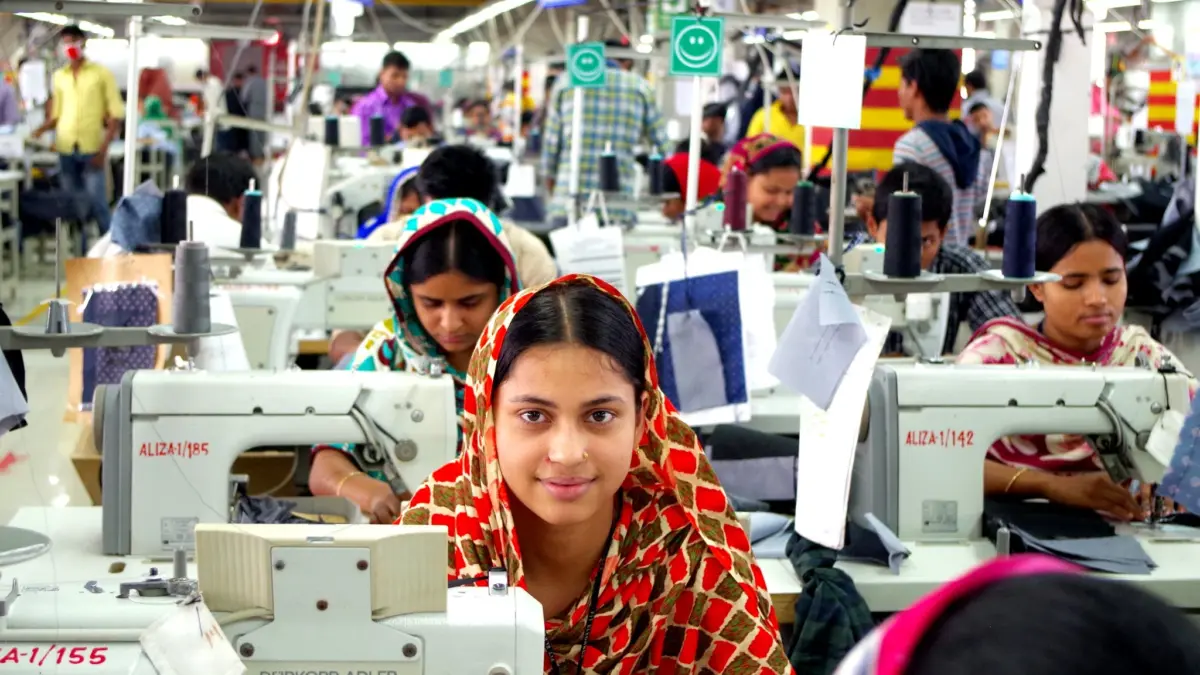
Global fashion brands, including Zara, H&M, Marks & Spencer and Celio, shifted orders worth approximately $254 million out of Bangladesh between 1 and 18 November. The main beneficiaries of this shift were neighbouring India, as well as factories in Vietnam, Cambodia and Indonesia. This was due to labour protests, power shortages and rising costs, which are undermining the competitive advantage of the world’s second-largest clothing exporter after China.
Briefly about the main points
- Between 1 and 18 November, brands placed orders worth $254 million from Bangladesh.
- Production losses in the sector due to the protests have already exceeded $400 million.
- India secured the most contracts, which led to a rise in its textile shares.
- A 36 per cent increase in the minimum wage has not put an end to the garment workers’ strikes.
Which brands are relocating their orders, and how much is Bangladesh losing?
According to three factory owners, at the factories where refers to According to Reuters, in the first half of November, retailers diverted almost a tenth of their monthly orders out of the country. Zara’s owner (Inditex) declined to comment, whilst H&M, Marks & Spencer and Celio did not respond to journalists’ enquiries.
According to the Bangladesh Garment Manufacturers and Exporters Association (BGMEA), the protests have already cost the industry more than $400 million in production losses. This is a critical blow to the country’s economy, as the garment industry accounts for over 80 per cent of export earnings and nearly 40 per cent of jobs in the manufacturing sector.
Strikes, wage rises and a shift towards India
Pressure on manufacturers intensified after the Bangladeshi authorities approved a 36 per cent increase in the minimum wage for garment workers — the smallest rise in the last four decades. As workers had been demanding at least a doubling of their pay, the decision sparked fresh clashes with the police against a backdrop of general political tension and mass unrest in Bangladesh.
The BGMEA notes that even such a rise in wages, combined with rising costs of utilities and raw materials, is eroding the price advantage over India. Against the backdrop of news about contracts being shifted elsewhere, shares in Indian textile companies rose sharply: Gokaldas Exports jumped by 11 per cent, Trident by around 5 per cent, whilst Welspun Living, KPR Mill and Vardhman Textiles gained around 2 per cent. For Indian factories that are actively are expanding textile exports to the European market; this has opened up a whole new range of opportunities.
The risk of losing customers in the long term due to delays
In addition to strikes, factory operations are being hampered by a chronic electricity shortage, exacerbated by the crisis in the Middle East, which is forcing businesses to switch to more expensive independent power sources. Businesses around Dhaka have already lost between 20 and 25 working days, and some are considering overtime shifts and expensive air freight to meet their delivery schedules.
BGMEA Director M. Mohiuddin Chowdhury emphasised that, for customers, delivery times are increasingly more important than price: India has a lead of about a week in terms of speed, whilst Vietnam and Cambodia are reducing their production and delivery cycle to 60–90 days, compared with around 120 days in Bangladesh.
«The challenge is to restore consumer confidence before these temporary shifts become long-term procurement decisions. Brands have a choice. They won’t wait for us if the instability continues,» warned Choudhury.