Russia—a country with some of the world’s largest oil reserves—found itself in a paradoxical situation in 2026. In certain regions of the Russian Federation and in the temporarily occupied territories of Ukraine, drivers are increasingly seeing «No petrol» signs at filling stations, and the Kremlin government is forced to tackle the domestic fuel crisis with emergency measures.
The Ukrainian Defence Forces« systematic campaign to target Russian oil refining infrastructure has evolved from »sporadic disruptive attacks’ into a factor exerting strategic influence on the economy and the course of hostilities.
Why the shortage arose: the anatomy of the «oil paradox»
The main cause of the crisis is not a shortage of crude oil, but the physical impossibility of processing and delivering it. Russian fuel crisis, which first broke out in the autumn of 2025, took on new characteristics in 2026 due to the synergy of two factors:
-
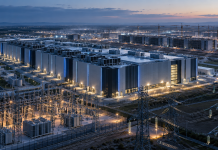
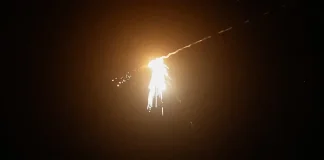
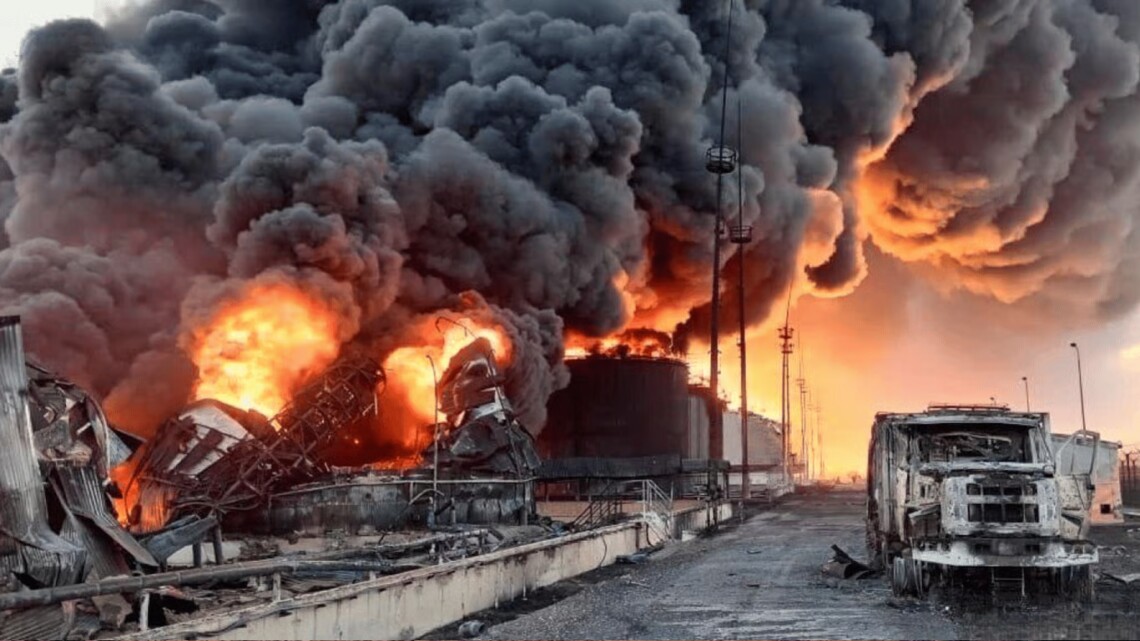
Extensive damage to industrial facilities. Ukrainian long-range drones are systematically taking out the most expensive and complex equipment at oil refineries — distillation columns (primary oil processing units). Through attacks on key hubs (Ust-Luga, Primorsk, Tuapse, Afipsk Oil Refinery) At various times, up to 10–20% of the Russian Federation’s total refining capacity was shut down.
-
Logistical Collapse (Mid-Range Campaign). In addition to strikes on factories deep behind enemy lines, the Ukrainian Armed Forces have stepped up their efforts to disrupt fuel logistics closer to the front line. The destruction of tankers, oil depots and refuelling vehicles in the occupied territories and in border regions (Belgorod and Kursk regions) has turned fuel supply into a game of «Russian roulette».
Analytical report: Russian oil refineries were built using Soviet or Western technology. Due to stringent sanctions, it is impossible to repair this specialised equipment quickly. Replacing a damaged distillation column takes anywhere from several months to a year, which creates a cumulative impact.
The crisis in figures: the real statistics
-
Record-breaking pressing: In May 2026 alone, Ukraine carried out at least 31 shots at Russian oil refineries, maritime export terminals and pipeline infrastructure. In total, over 70 attacks.
-
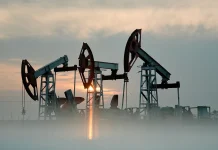
Decline in production: As a result of systematic air raids, oil refining volumes in Russia have plummeted to 4.69 million barrels per day. This is the lowest level of oil refining in Russia in the last 16–20 years.
-
Export slump: As of May 2026 export of petroleum products via the key Black Sea port of Taman, fell to 53% compared with the previous month. Following a series of prolonged setbacks, the figures for the port of Tuapse stood at 91% lower, than in May last year.
-
Market shortage: Russian petrol stations are seeing a huge gap between supply and demand. The volume of unmet demand for the popular AI-95 petrol has exceeded 26,340 tonnes.
A chronicle of the «hot» season: the latest targets struck (spring–June 2026)
Ukrainian drones have doubled the frequency of their strikes. One after another, the giants of the Russian fuel industry are coming under attack:
| Period / Date | Target | Consequences and status of the site |
| April–May 2026 | «Nizhegorodnefteorgsintez, the Tuapse and Syzran refineries, Permnefteorgsintez (Lukoil), and the Kinef plant. | Temporary breakdowns of processing facilities, a drop in AI-95 fuel production. |
| Mid-May 2026 | Black Sea export hubs (Taman terminal). | Exports of petroleum products have fallen by more than half (-53%). |
| 10 June 2026 | Kuibyshev Oil Refinery (Samara Oblast). | Following a successful drone attack, the refinery completely suspended its oil refining operations. |
| 11 June 2026 | Afipsky Oil Refinery (Krasnodar Krai). | A major night-time fire on the company’s premises caused by a direct hit from a UAV. |
| 12 June 2026 | The chemical giants «Tolyattikauchuk» (Samara Oblast) and «Nizhnekamskneftekhim» (Tatarstan). | A series of explosions and major fires in the industrial zones of companies that supply raw materials to the Russian defence sector. |
Belarus as the Kremlin’s «lifeline»
To prevent panic among the civilian population in Moscow or St Petersburg, the Kremlin has taken unpopular measures: it has extended the total ban on the export of its own petrol and turned neighbouring Belarus into its main fuel reservoir.
According to data from the rail transport monitoring system, in the first five months of 2026, petrol supplies from Belarusian refineries (Mozyr and Naftan) to Russia increased by almost 13 times compared with the same period last year. In fact, Alexander Lukashenko is currently plugging the gaps in Russia’s fuel balance by sending refined Russian oil back to Russia, rather than exporting it profitably to third markets.
The real-life impact of the fuel shortage on the ground
Unlike in previous years, when attempts were made to conceal the shortfall, in June 2026 the consequences became public knowledge:
-
The card system in Crimea: The occupying administration of annexed Crimea has officially announced a petrol station for cash due to shortages. Supplies to petrol stations have fallen following sustained strikes by the Ukrainian Armed Forces on the supply routes between Rostov-on-Don and Simferopol.
-
The collapse in Donbas: In occupied Donetsk, the fuel crisis has left the city with just two functioning petrol stations. Eyewitnesses report queues stretching for kilometres, and incidents of petrol being siphoned from private cars have become more frequent at night.
-
Restrictions in the Luhansk region: Strict limits have been imposed on the amount of the scarce AI-95 petrol that can be purchased by a single customer at operating petrol stations in the Luhansk region.
Impact on the war: where is the front line thinning?
The Russian military machine consumes enormous quantities of fuel. Although the Russian Ministry of Defence is given priority in terms of supply, the crisis is affecting the armed forces through two critical channels:
1. The petrol shortage caused by «limited mechanisation»
The current war of attrition is forcing the Russians to make extensive use of small vehicles: motorbikes, quad bikes (ATVs), buggies and light trucks to transport ammunition and rotate personnel at the front line. All these vehicles run on petrol. Unlike the heavy diesel-powered tanks, the occupiers’ light logistics units in Crimea and southern Ukraine were the first to experience supply constraints and delays.
2. A fall in export earnings
Oil and petroleum products are the main source of funding for the war. The slowdown in refining is forcing Russia to sell crude oil at a huge discount by shadow fleet tankers, whilst marginal exports of fuel oil, diesel and jet fuel fell significantly. The spring 2026 attacks on Baltic and Black Sea terminals alone cost Moscow over a billion dollars in lost revenue.
Outlook: what to expect next
The Russian fuel market has entered a period of turbulence, which is set to intensify throughout the summer harvest season and during active hostilities.
-
Short-term forecast (summer 2026): The local introduction of ration cards or strict limits at petrol stations (up to 20 litres per person) in occupied Crimea and the border regions of the Russian Federation. A sharp rise in the black market for fuel and a surge in domestic prices, despite all attempts by regulators to control the market.
-
Medium-term forecast (autumn–winter 2026): The deepening diesel fuel crisis. If the Ukrainian Armed Forces maintain the pace of their strikes (more than 15–20 effective raids per month), the shortage will spill over into heavy rail and military logistics, preventing the occupiers from rapidly redeploying their reserves.
Main conclusion: The fuel shortage in Russia is a striking example of «asymmetric warfare». The cheapest Ukrainian kamikaze drones are successfully turning their technological advantage into economic losses for the enemy, forcing Russia to choose between refuelling tanks on the front line and maintaining social stability at home.