The documentary *Glastonbury the Movie* has been re-released in UK cinemas to mark the 30th anniversary of its first screening. The restored version takes viewers back to 1993, capturing the atmosphere of the festival before the era of smartphones.
- Glastonbury the Movie is back in cinemas in 4K.
- The film is marking the 30th anniversary of its first screening.
- It captures the atmosphere of the festival before it became commercialised.
- Features performances by Stereo MCs, The Verve and Porno for Pyros.
- Critics have described the film as a time capsule.
The cult film about Glastonbury has been given a new lease of life
A re-release of the documentary took place in the UK Glastonbury: The Movie, which was first released over 30 years ago. The film has been fully restored and is presented in 4K, with the re-release timed to coincide with the film’s anniversary and the year in which the Glastonbury Festival itself took its traditional «break».
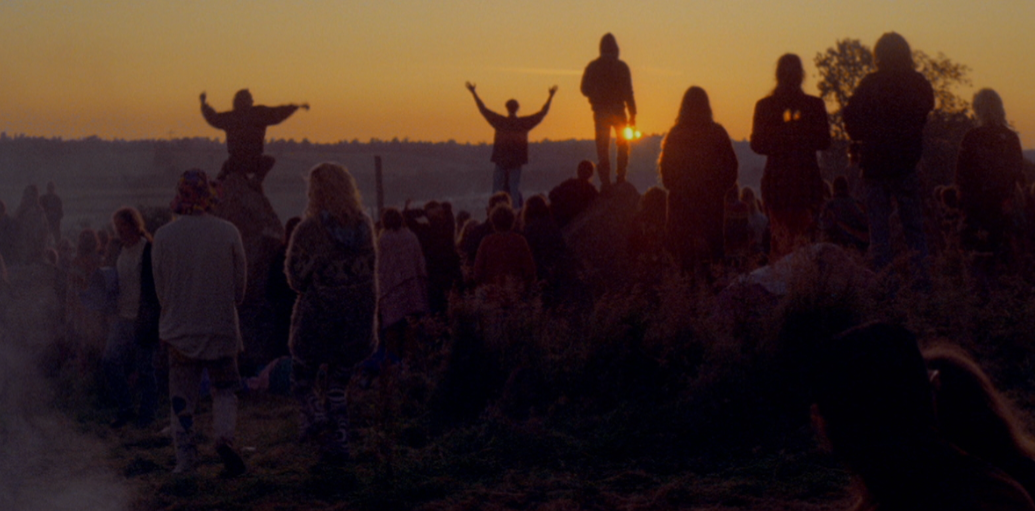
A trip to Glastonbury without smartphones
This documentary film captures three days of the festival through the eyes of its visitors. Viewers see tens of thousands of people enjoying themselves without mobile phones, live streams or social media — just music, camping and a sense of freedom. The directors William Beaton, Robin Mahoney and Matthew Salceld They structured the film chronologically, interweaving scenes of life in the festival village with the artists’ performances.
Legendary musicians on stage
The updated version allows viewers to see performances once again by artists who became icons of the early 1990s. Among them are the Stereo MCs with their hit ‘Connected’, the early line-up of The Verve performing ‘Gravity Grave’, and the American band Porno for Pyros. Critics have also noted the appearance of the young British actor Dexter Fletcher, who is seen on screen on several occasions.
Critics have described the film as a time capsule
Reviewers note that *Glastonbury the Movie* has become a veritable «time capsule», showcasing the final years of the festival’s classic culture before its mass commercialisation began. At the same time, the first signs of the changes to come are already visible on screen — advertising banners from major brands, which were only just beginning to appear at the festival. That is precisely why the re-release of the film is seen not only as a record of a musical event, but also as a reminder of an era that is now a thing of the past.