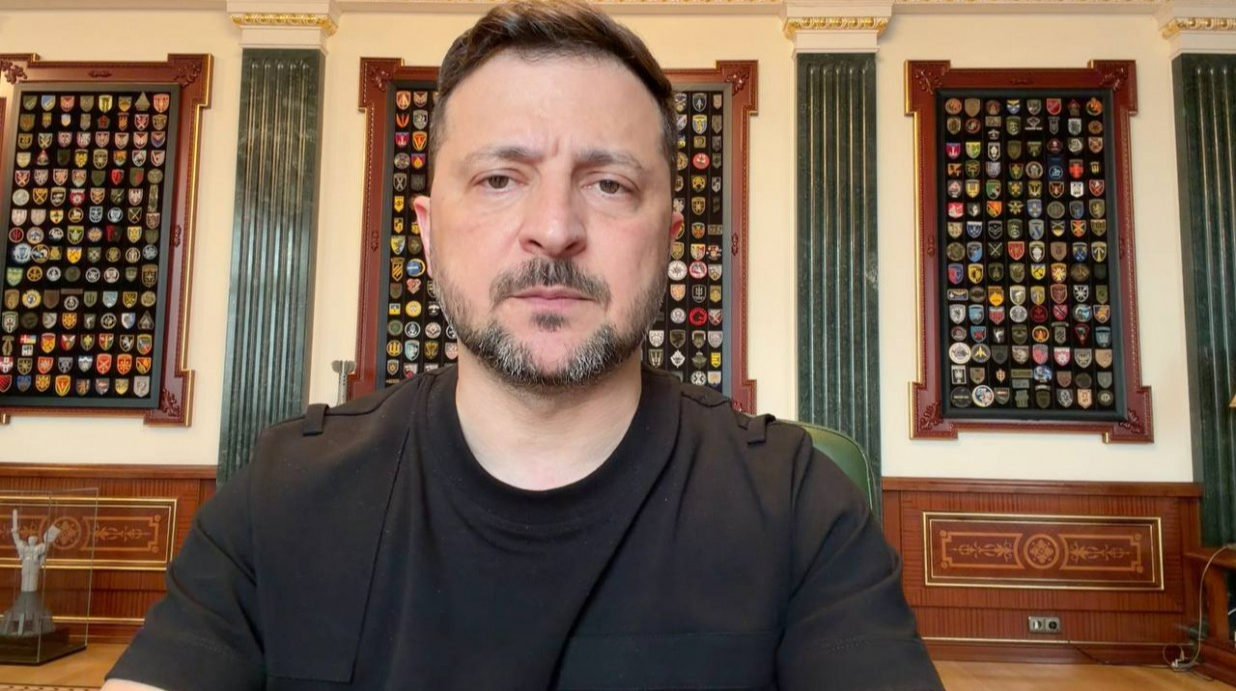
On 1 September, the Verkhovna Rada failed to back a number of decisions relating to Ukraine’s obligations to its international partners. President Volodymyr Zelenskyy stated that three of them could have secured over $4 billion in funding, whilst the other two failed bills were part of the IMF programme. He called on MPs to honour the agreements made with partners during the war.
Briefly about the main points
- Zelenskyy attributed the failure of the three decisions to risks amounting to over $4 billion.
- The Rada did not support the draft customs and tax bills concerning international parcels.
- No advisory group has been set up to select members of the Court of Auditors.
- Industrial parks have also failed to receive sufficient support from parliament.
- The draft bill on the regulation of state aid to businesses was approved in principle.
The parcel bill did not pass its first reading
One of the key proposals that Parliament did not support was the government’s Bill No. 15460 on new Rules for customs clearance of international postal and express consignments. It received 194 votes at first reading. The motion to repeat the first reading was supported by 216 MPs, after which the bill was returned to the author for further revision.
Related Bill No. 15112-d concerning VAT treatment of e-commerce transactions received 198 votes. 210 MPs voted in favour of a repeat first reading, whilst the proposal to refer the document back for further revision also failed to secure the necessary support.
Both documents concerned changes to the rules for international parcels valued at up to €150 and were part of Ukraine’s agreements with the IMF and the European Commission. The Chair of the Finance Committee Daniil Getmantsev During the meeting, he referred to a funding package worth over €4 billion in this context.
According to the Ministry of Finance’s explanation, Draft Law No. 15112-d provided for a 20% VAT rate on goods purchased via electronic interfaces, starting from a value of €0. The plan was to include the tax in the price on the platform, whilst non-commercial consignments between individuals worth up to €45 were to be exempt from tax. The customs bill was intended to introduce administrative mechanisms for implementing these rules for marketplaces and international consignments.
Selection process for the Accounting Chamber and decision on the Ukraine Facility have been postponed
Resolution No. 14012 on the establishment of an advisory group of experts to select candidates for the Audit Chamber was supported by 192 MPs. During the parliamentary debate, this decision was linked to commitments to international partners and the second tranche of EU macro-financial assistance amounting to approximately $4.2 billion.
The recruitment process for the six vacant posts at the Accounting Chamber cannot begin until a selection panel has been formed. Once the panel has been established, the recruitment process must be announced within a week, and candidates will have 30 days to submit their applications.
A trial vote on Bill No. 12117 on improving the operation of industrial parks resulted in 209 votes. It was noted in parliament that the bill forms part of the Plan Ukraine Facility.
At the same time, the Rada gave its support in principle to draft law No. 15437 on the restoration of control over state aid to business entities. The document is also part of the Ukraine Facility Plan; however, for the legislative process to be completed, it still needs to be adopted in its entirety.
Delays in reforms increase the risk of a default on external payments
Before the votes, the Prime Minister Sergey Koretsky stated that Ukraine expects to raise approximately $30 billion from its partners in 2026, provided that the commitments made are fulfilled. The government is also seeking external funding to cover a shortfall of around $27 billion in defence spending.
According to Roksolana Pidlasa, chair of the Budget Committee, around $12.7 billion in budgetary support depends on the reforms agreed by parliament and the government being implemented by the end of the year. Among these commitments, she cited changes relating to the Accounting Chamber, state aid for businesses and industrial parks.
The failure of the votes does not mean an automatic and immediate loss of the sums in question: international mechanisms provide for an assessment of compliance with a set of conditions and the possibility of amending the legislation. However, delays in reaching decisions could push back the payment schedule, as EU and IMF funding is linked to the implementation of reforms and other preconditions.