Latvia may completely close its border crossings with Russia following a similar decision by Estonia. Prime Minister Andris Kulbergs has instructed the relevant ministries to prepare an assessment of possible restrictions by next week, including their impact on security, transport links and the transit of goods. The issue is set to be discussed by the government, though no final decision on closing the border has yet been taken. This was reported by the Latvian publication Delfi on 23 November.
- Latvia is considering the possibility of completely closing its border crossings with Russia.
- Prime Minister Andris Kulbergs has instructed the ministries to prepare an assessment next week.
- The Government will take into account security risks, the transit of goods and passenger transport.
- Estonia has already decided to close its border crossings with Russia from 1 December.
The Latvian government is preparing a decision on the border with Russia
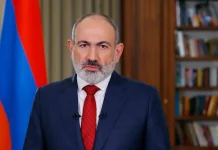
Following the meeting of the leaders of the coalition parties Andris Kulbergs stated that the issue of closing the border requires a comprehensive analysis. The relevant assessments are to be prepared by the Latvian Ministry of Foreign Affairs and the Ministry of Transport.
According to the Prime Minister, the government must take into account not only threats to national security, but also the possible redistribution of migration flows between the Baltic states.
In neighbouring Estonia closure of the border with Russia This has already been approved by the government. From 1 December, Tallinn plans to suspend road and pedestrian traffic with the Russian Federation for at least six months.
Kulbergs emphasised that the Baltic states should strive for coordinated solutions, as restrictions at one border could increase the pressure on neighbouring border crossings.
The Minister of the Interior supported the discussion on closing the border
Latvian Minister of the Interior Jānis Dombravs expressed his support for further consideration of the issue of closing the border crossings with Russia.
At the same time, he emphasised the need to reach a common position amongst all government partners. He said that the new Latvian government had only recently been formed, so reaching a decision would require further consultations.
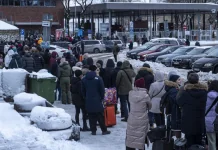
Back on 20 November, the head of the Latvian State Border Guard Guntis Pujats warned that, following the closure of the Estonian-Russian border, some of the road traffic would shift to Latvia. This could lead to further queues and increase the workload on border guards.
Calls are being made in Latvia to halt the transit of Russian goods
Alongside the government’s consultations, public pressure is mounting in Latvia to sever economic ties with Russia.
The organisers of the «No to blood grain!» protest are demanding that the border with Russia be closed immediately and that the transit of all goods – including Russian grain – via Latvian railways and seaports be halted.
On 7 November, protesters in Jēkabpils called for a two-week halt to the transport of Russian grain. The deadline expired on 21 November, but the protesters claim that the government has still not taken the expected decision.
On 13 November, the Latvian Ministry of Foreign Affairs proposed restricting grain transit from Russia and Belarus through national sanctions. This initiative is also currently under political consideration.
When might Latvia close its border?
The issues may be considered provisionally during the week beginning 30 November. No specific date has yet been given for the government’s decision or for when the restrictions might come into force.
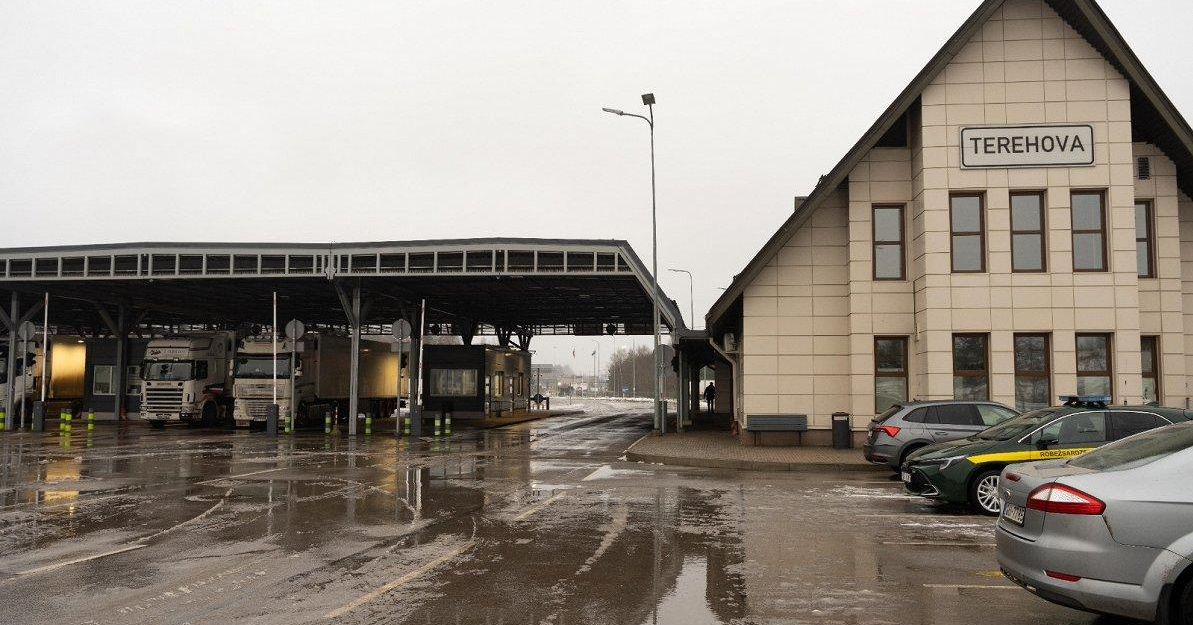
At present, road transport between Latvia and Russia operates via the Terekhova and Grebneva border crossings. A system of advance electronic registration of vehicles is in place for crossing the border.
If Riga decides to close the border crossings, this will be a further step towards restricting land transport links between Russia and the Member States of the European Union.