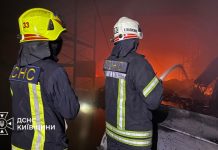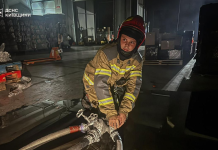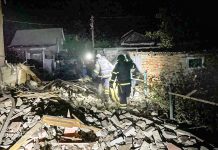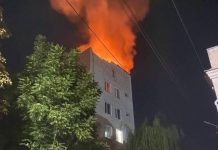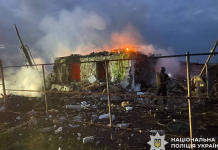
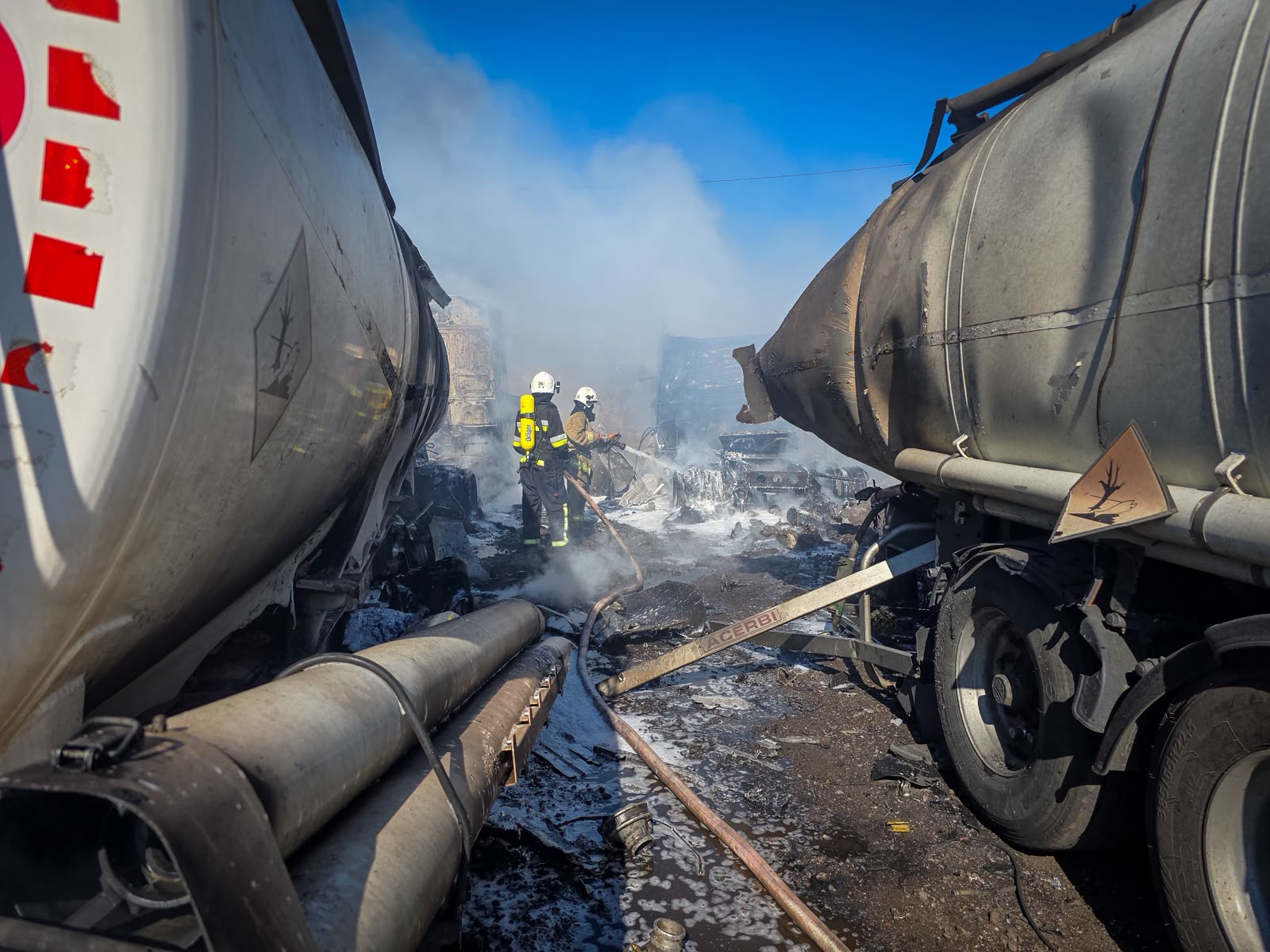
Russian air strikes in the Bilhorod-Dnistrovskyi district of the Odesa region on 19 June resulted in the death of one person and injuries to four others. The attack took place at a lay-by outside the town, where two petrol tankers and one gas tanker caught fire. Repeated air raid alerts hampered efforts to extinguish the blaze.
- Russian strikes on the Bilhorod-Dnistrovskyi district have resulted in one fatality.
- Four more people were injured during the attack.
- The fire broke out after two petrol tankers and one gas tanker caught fire.
- The fire-fighting efforts were hampered by repeated air raid alerts; 13 rescue workers were on the scene.
The aftermath of the air strikes on the car park in the Bilhorod-Dnistrovskyi district
Russian strikes in the Bilhorod-Dnistrovskyi area have resulted in the death of one person and injuries to four others. The attack targeted a parking area on the outskirts of the town, where lorries were parked, including two petrol tankers and one gas tanker. The strike caused a fire, resulting in significant material damage.
Fire-fighting efforts hampered by air raid alerts
Rescuers SES They responded promptly to the incident: 13 firefighters and three fire engines were deployed to the scene. However, firefighting efforts were hampered by repeated air raid alerts, which forced the emergency services to suspend their work, increasing the risks to personnel and delaying the extinguishing of the fire.
Impact on regional security
This incident highlights the ongoing threats to civilian infrastructure and the population of the Odesa region as a result of military operations. Damage to vehicles transporting fuel and gas creates additional risks of fire and explosion, which could have long-term negative consequences for the region’s security and the environment.
The State Emergency Service continues to monitor the situation, maintaining round-the-clock readiness to respond to any further attacks and their consequences. Strengthening the protection of critical infrastructure in the region remains a priority in order to minimise loss of life and property.