During the large-scale drone attack on 20 September, the authorities in the Moscow Region did not sound air-raid sirens or send out SMS alerts, although they did restrict mobile communications at the same time. The Institute for the Study of War (ISW) assesses that the Russian authorities may have prioritised voter turnout in the State Duma elections over informing the public about the threat. The attack took place on the final day of voting and, according to Russian sources, was the largest attack on Moscow since the start of the full-scale war.
- Moscow was attacked on the final day of the State Duma elections.
- The air-raid sirens were not sounded.
- No SMS alerts were sent to residents either.
- At the same time, mobile communications were restricted in the region.
Residents of the Moscow Region were not warned of the attack
In its report dated 20 September, the ISW noted that during a large-scale attack, the authorities in the Moscow Region did not activate the sirens or send an SMS alert about an air threat.
Analysts noted that such warnings had previously been issued during attacks of a much smaller scale. At the same time mobile communication Restrictions were imposed in the region — this is one of the measures the Russian authorities are implementing during drone strikes.
Residents of the Moscow Region have complained about the lack of warnings on the governor’s Telegram channel Andriy Vorobyov. According to the ISW, comments on the channel were subsequently disabled.
The ISW links the decision to the State Duma elections
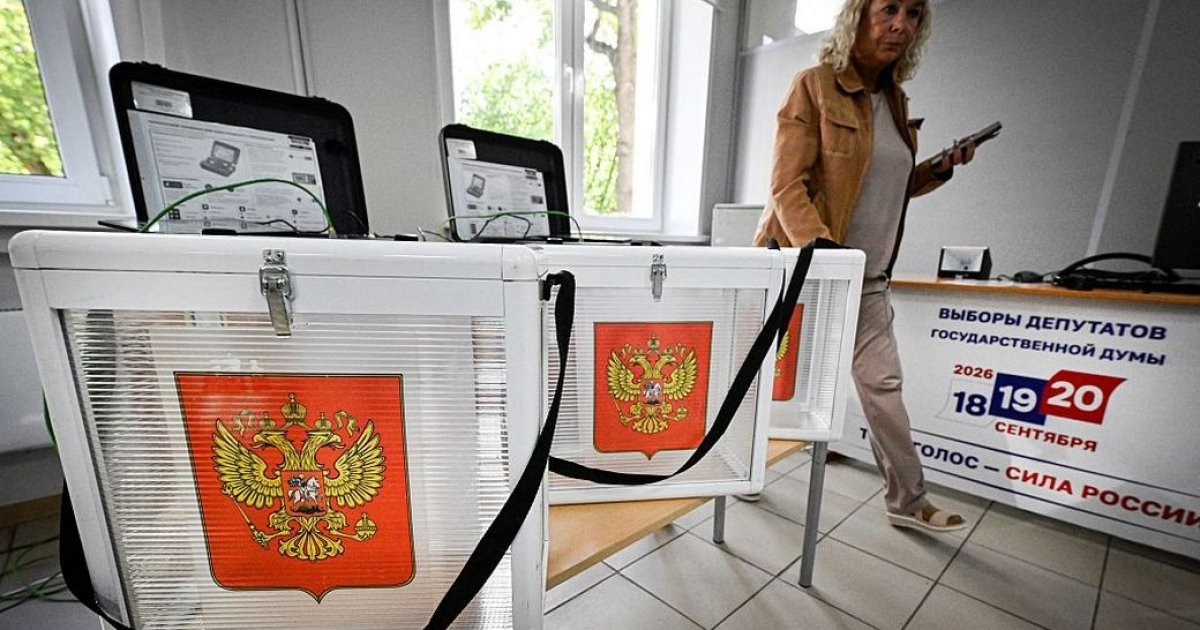
The attack took place 20 September — the final day of the three-day voting period in the elections to the State Duma of the Russian Federation.
The ISW assesses that the Russian authorities likely prioritised a high turnout over ensuring the public was as well-informed as possible about the threat. This is specifically the ISW’s analytical assessment, rather than a confirmed statement by Russian officials regarding the motives behind this decision.
Reuters reports that the official turnout in the election has reached nearly 57%, whilst earlier results put «United Russia» at around 57.5% votes based on party lists. The Central Electoral Commission was due to publish the full preliminary results on 21 September.
The Russian authorities, for their part, claimed that the Ukrainian attack may have been intended to disrupt the electoral process. Kyiv reported that the operation targeted oil and logistics infrastructure facilities.
Oil refineries and logistics infrastructure were hit
During the attack, there was The Moscow oil refinery has been hit in Kapotna and a warehouse complex in the Sof’ino area.
The ISW describes the strike on the night of 20 September as the largest combined strike package against strategic targets in the Moscow region since the start of the full-scale war. The Russian Mayor of Moscow, Sergei Sobyanin, stated that 450 drones that were reportedly heading for the capital, whilst the total number of drones reported by the Russian side as having been intercepted across the country has exceeded one thousand. These figures come from the Russian authorities and have not been independently verified.
A major fire broke out at the Moscow Oil Refinery following the strike. The Ukrainian side confirmed that the refinery and a logistics facility had been hit. President Volodymyr Zelenskyy stated that Ukrainian FP-1, RZ-100, MICH-2000, «Palyanytsia», Vendetta, «Lyuty», «Bars», «Flamingo», «Sichen» and Pelican were used in the operation.
The attack became the talking point on election day
The scale of the strike drew criticism even within the Russian media landscape. The ISW cites the reaction of pro-war Russian bloggers, who criticised the official coverage of the attack and claimed that restrictions on mobile communications did not make up for the lack of proper warning to the public.