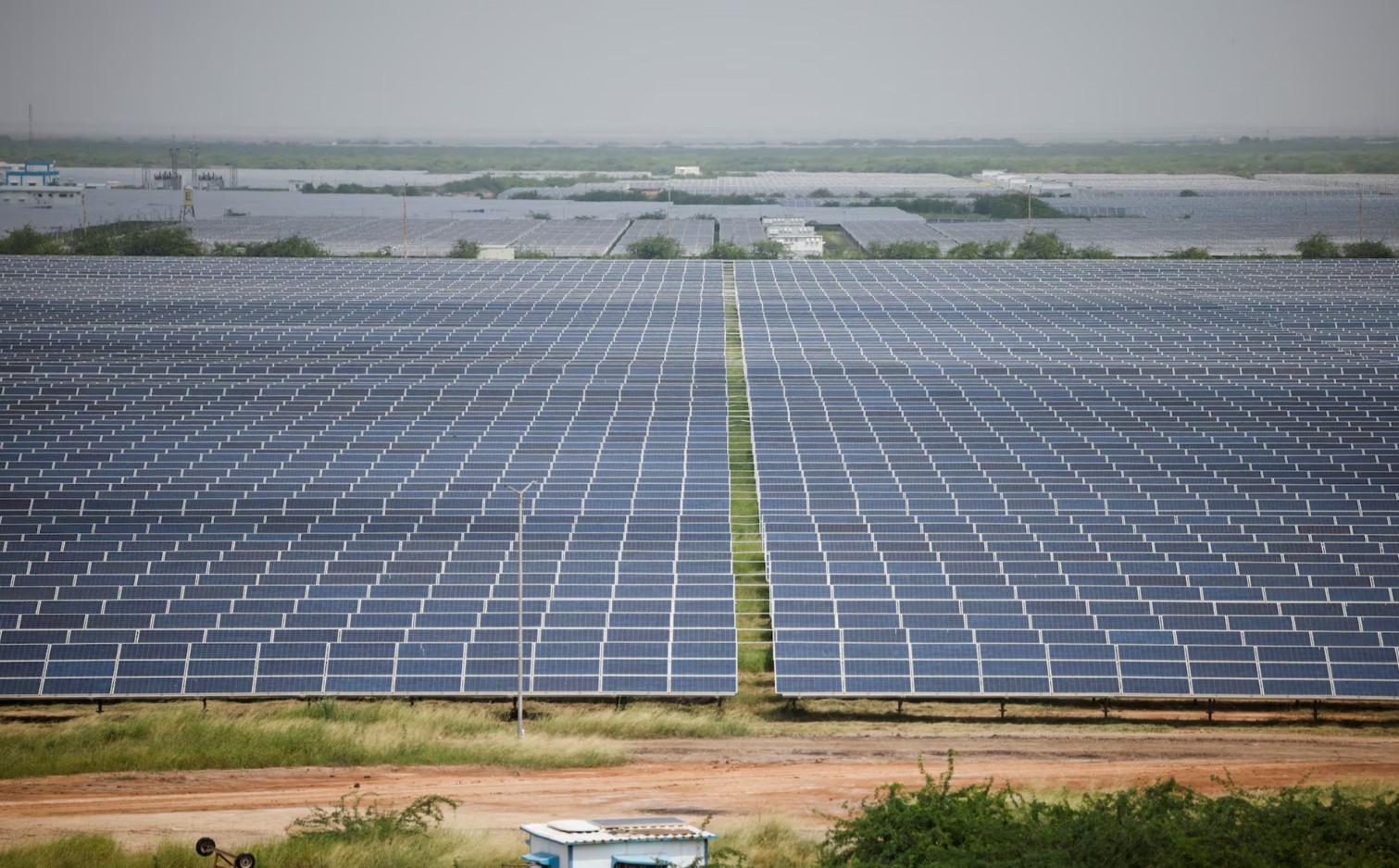
India's initiative to tighten grid discipline has met with stiff resistance from the renewable energy sector. Strict new rules for solar and wind projects have made major foreign investors nervous, warning that the regulator's strict requirements could significantly reduce profitability and block billions of dollars in investment that the country needs for its «green transition.».
Briefly about the main points
-
Revenues fell to 48%: New fines for mismatches between declared and actual generation volumes could critically affect the financial viability of wind and solar power plants.
-
Protests by global giants: KKR and CPPIB investors warn of a slowdown in funding due to the unpredictability of New Delhi's regulatory policy.
-
Network stability is paramount: The federal regulator and the Indian Ministry of Energy are adamant that the rules are necessary to prevent accidents amid the rapid growth in the share of renewables.
A penalty blow to green profits
The new regulatory rules, which are due to come into force in April 2027, dramatically increase financial penalties for renewable energy producers if the amount of electricity they actually supply to the grid deviates from their pre-declared commitments. according to industry associations, this tough regime could lead to a loss of about 11% in revenue for solar projects and a catastrophic 48% for wind farms.
Analysts at Aurora Energy Research predict that the tightening of the rules will reduce the internal rate of return (IRR) by 1.5 percentage points for wind power projects and 1.2 percentage points for hybrid (solar + wind) projects. This puts capital raising at risk, as investors usually focus on a minimum margin of 10-13%. The situation is further complicated by the fact that companies will be penalised for factors they cannot fully control, such as the vagaries of the weather and the high error rate of weather forecasts in India. The National Solar Energy Federation of India, which represents more than 100 companies, has already gone to court to challenge these innovations.
Concerns of foreign capital
The sudden change in the rules caught developers by surprise: most existing facilities were designed and financed in a much more lenient regulatory climate, so the additional costs were simply not built into their economic model. During private meetings with government officials, large international funds, including KKR, the Canada Pension Plan Investment Board (CPPIB), and Actis, have been explicit about the risks of financial stress to the industry. Investors emphasise that regulatory pressure is outstripping the pace of modernisation of transit infrastructure and development of industrial energy storage systems.
As a result, large-scale capital deployment is already slowing down. For example, Blueleaf Energy (owned by Australia's Macquarie Asset Management), which planned to invest about $3 billion in Indian alternative energy, expects that due to infrastructure and network constraints, the timing of equity deployment will be delayed by an additional 2-3 years.
Technology challenge: hunting for accurate forecasts
The conflict has highlighted another problem: the market's lack of technological readiness. Unlike European energy markets, where meteorological data is updated almost in real time, in India, weather forecasts are updated only a few times a day.
To survive in the new environment and minimise fines, generators are forced to invest heavily in expensive technological upgrades:
-
installing innovative automated weather stations directly at TPP sites;
-
purchase of high-precision real-time satellite data from European providers;
-
creating own data centres and data science teams to accurately model generation schedules.
Despite business pressure and appeals to the Prime Minister's Office, the Ministry of Energy and grid operator Grid India remain adamant that without strict discipline, it is impossible to integrate large-scale green capacity into the grid without risking blackouts. At stake is India's ambitious goal of reaching 500 GW of renewable capacity by 2030, of which solar and wind currently account for the lion's share.