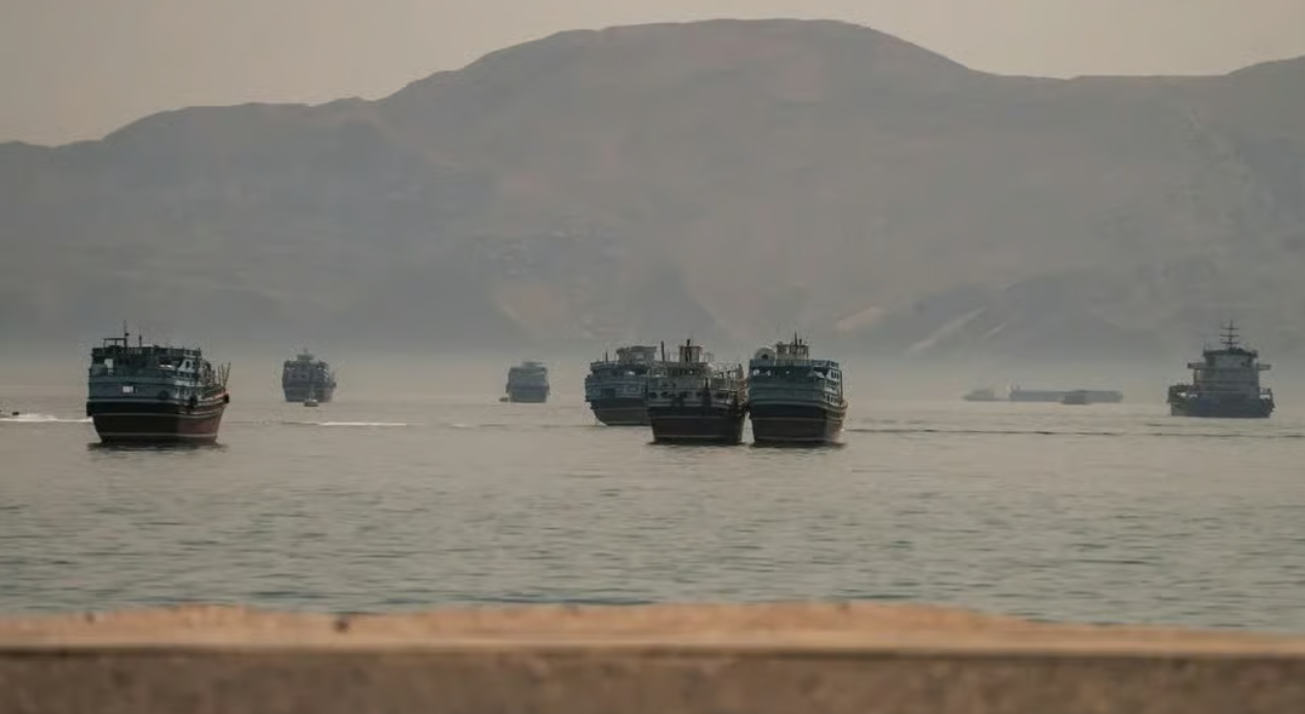
The Iranian army has announced the closure of the Strait of Hormuz to all shipping, accusing the US of breaching the memorandum and Israel of continuing military operations in Lebanon.
Briefly about the main points
- Iran has closed the Strait of Hormuz in response to actions by the US and Israel.
- The closure was the first step; Iran has warned of further measures.
- Israel is continuing its military operations in Lebanon, despite the agreement.
- The planned talks on Iran’s nuclear programme have been cancelled.
The Strait of Hormuz is under threat: Iran is taking action
The Iranian army, through its Hatam al-Anbiya command, has announced the closure of the Strait of Hormuz for all shipping. This decision was a response to what Iran described as the US’s breach of the terms of the memorandum ending the war, as well as to Israel’s continued military operations in southern Lebanon.
Iran described this closure as a “first step”, warning that further measures might be taken if the violations continued.
At the same time, the US Vice-President J. D. Vance expressed doubts about whether the Strait of Hormuz would actually be closed, stating in an interview Fox News:
«I see no evidence that the Iranians are actually closing the strait.».
This statement was a challenge to the president Trump, who just a few hours ago claimed that ships were “passing through the Strait of Hormuz in greater numbers than ever before”.
Reasons for closure
Iran has cited two main triggers for its decision: these relate to the US’s alleged failure to comply with the terms provisional memorandum, as well as Israel’s military operations in southern Lebanon, which continued even after the agreement had been signed.
In particular, on Thursday, at least three people were killed as a result of Israeli strikes. One of the drones struck a car near Kfar Tebnit, killing two people, whilst another person was killed in a separate strike in Zabadin. This was reported reports publication Clash Report.
Israel, for its part, has made it clear that it does not consider itself obliged to comply with the terms of the agreement on an immediate and permanent cessation of hostilities. Israel’s Minister of National Security Itamar Ben-Gvir publicly rejected the idea of halting operations, stating:
«We cannot stop destroying houses in southern Lebanon. We cannot stop. Full stop.».
The agreement is under threat
The memorandum provided for 60 days to finalise a permanent agreement on Iran's nuclear programme, with the possibility of allocating $300 billion for reconstruction and the lifting of sanctions. However, the planned technical talks in Switzerland were cancelled after Vance called off his trip. Iran has already stated that it requires evidence that the US is fulfilling its obligations before sending its delegation.
Iran’s Supreme Leader, Ayatollah Mokhtaba Khamenei warned that the nuclear talks ahead would not be easy, stating:
«If the American side is too demanding, we will not accept it.».
Iran controls the Strait of Hormuz in partnership with Oman and has already announced plans to levy new ship-borne fees at the end of the 60-day negotiation period.
The closure of the Strait of Hormuz raises doubts as to whether a broader peace agreement will be able to withstand pressure from Israel, which refuses to halt military operations, and whether the US has the ability or the will to compel its ally to abide by the agreement before the economic consequences of the strait’s closure begin to be felt once again.