Medical tourism in South Korea almost doubled in 2025, reaching 2 million foreign patients. Demand is focused on non-invasive cosmetic procedures such as laser therapy, Botox and ultrasonic skin lifting. Competition between thousands of clinics ensures the availability of services and attracts tourists from all over the world.
Briefly about the main points
- The number of medical tourists in South Korea reached 2 million in 2025.
- The growth of medical patients was twice as high as the growth of general tourism.
- Non-invasive procedures such as lasers, Botox, and ultrasonic skin lifting are gaining popularity.
- Competition among clinics reduces prices for services for foreigners.
Record growth of medical tourism in South Korea
In 2025, the number of foreign patients who came to South Korea for medical services reached 2 million. This is almost twice as many as in 2024, when 1.17 million visitors were recorded. The country's Ministry of Health notes that foreign patients now spend more on medical services than on traditional tourism.
The popularity of non-invasive cosmetic procedures
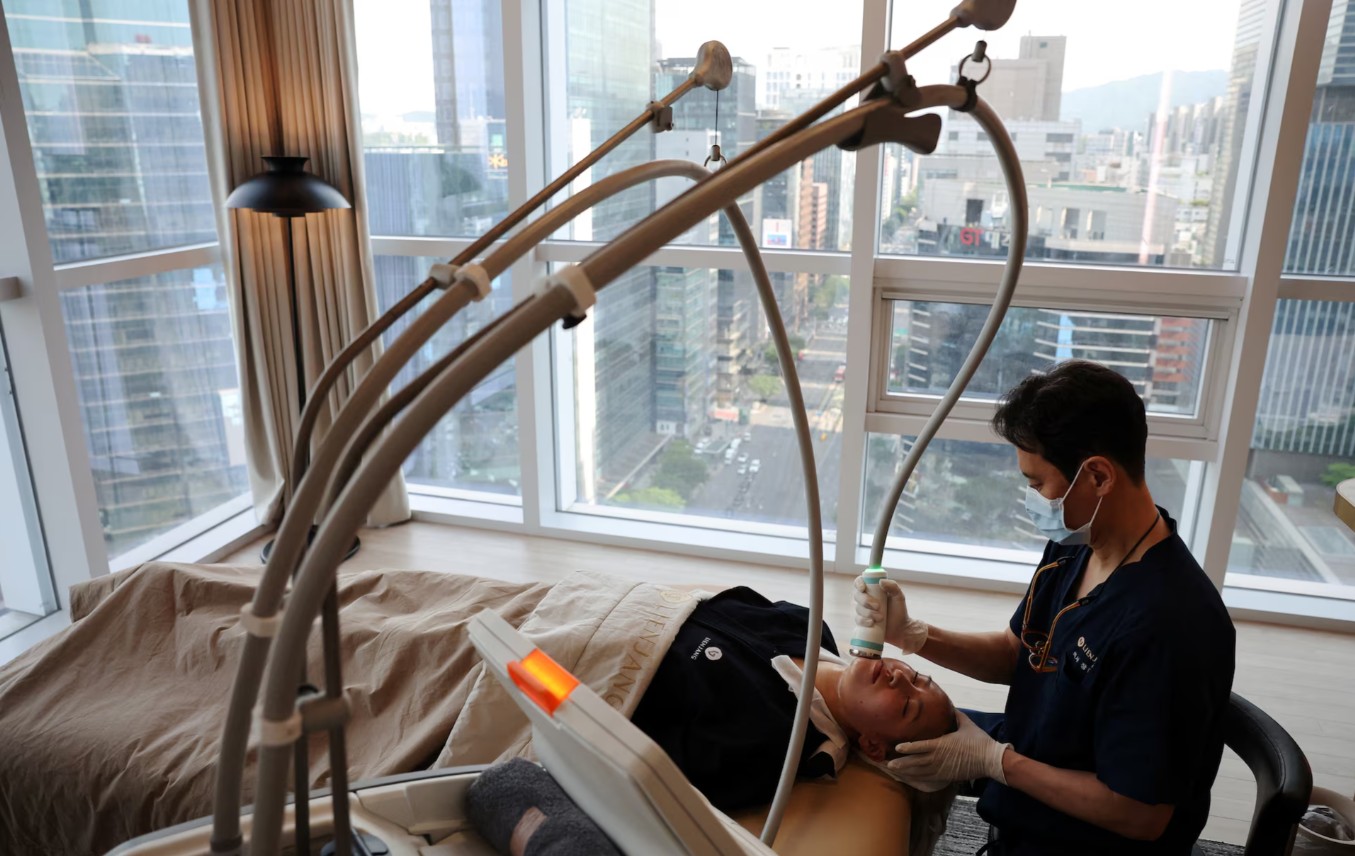
Among the services that attract tourists, non-invasive skin care methods are in particular demand. These include laser therapy, Botox to smooth wrinkles and ultrasonic skin lifting to correct facial contours. Tourists, such as a Mexican woman Maria Su, The safety and efficacy of these procedures, which are often available in South Korea earlier than in the West, are noted.
Competition as a factor in the availability of services
There are about 15,000 clinics in the country, most of which are run by general practitioners rather than dermatologists. This competition is driving down the price of cosmetic procedures, making them more affordable for foreign patients. The Lienjang Clinic in Seoul's Gangnam district sees about 100 foreign clients a day, with an average bill of 1.5 million won ($1000).
The impact of social media and multicultural support
The spread of hashtags like #koreaglowup on social media promotes South Korean cosmetic procedures among young people and tourists. Many clinics employ multicultural coordinators, which facilitates communication with foreigners and ensures comfortable service.
Prospects for the development of medical tourism
According to Gong Seung-wook, director of the global healthcare division at the Korea Health Industry Development Institute, the government plans to support and develop medical tourism, in particular by promoting anti-ageing procedures for the middle-aged tourist group. This will help maintain growth rates and strengthen the country's position in the global health and beauty market.