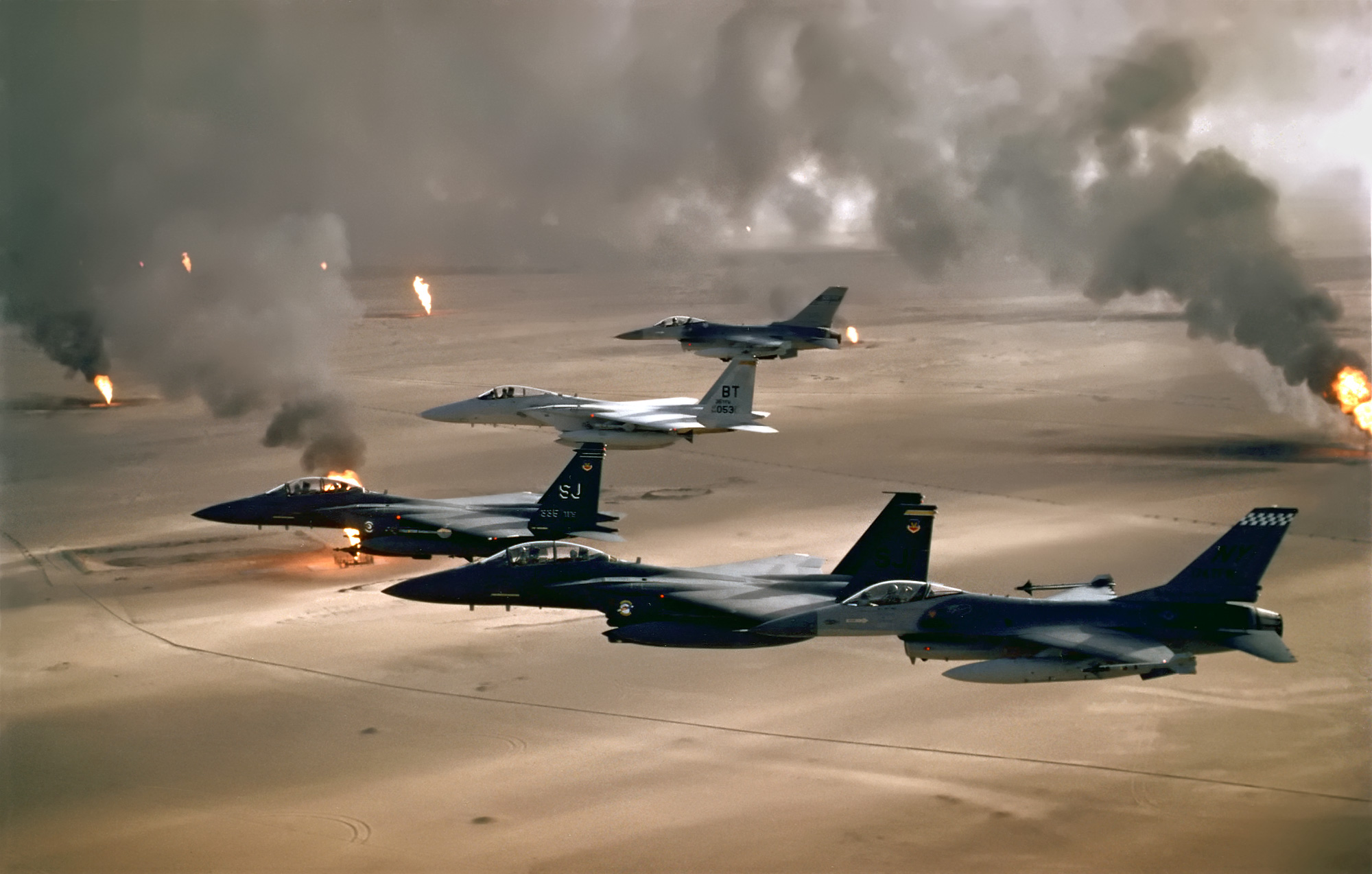
The US military is ready to launch a large-scale operation against Iran within 96 hours of receiving the relevant order from US President Donald Trump. The necessary forces have already been deployed in the Middle East, and the Pentagon has drawn up a list of potential targets, including military installations, energy infrastructure and nuclear facilities.
- The US Armed Forces are ready to launch a large-scale operation against Iran following an order from Trump.
- Potential targets include military installations, energy infrastructure and nuclear facilities.
- US officials suggest that a decision may be taken after the 3 November congressional elections.
- Washington has asked Israel to postpone further strikes against Iran with a view to a possible joint operation.
The US has prepared a large-scale military operation against Iran
According to two US officials who spoke to CNN, the United States has already concentrated sufficient military forces in the Middle East to carry out a new operation against Iran. The plans drawn up envisage strikes on a much larger scale than previous attacks on radar stations, missile launchers and other military targets.
The US Central Command (CENTCOM), in conjunction with the Pentagon, has drawn up an expanded list of potential targets. This includes Iranian military bases, energy infrastructure facilities and nuclear sites.
One of the television channel’s interviewees described the potential operation as large-scale. At the same time, the US military acknowledges that Iran is better acquainted with US tactics following previous military operations, so destroying all the planned targets may prove more difficult.
A Pentagon spokesperson explained to CNN that the defence department is obliged to draw up military options in the event that the President takes the relevant decisions. The White House declined to comment.
Trump may make a decision after the 3 November election
According to current and former US officials familiar with military planning, an order for a new operation could be issued by the end of 2026. Some of CNN’s sources believe that the most likely timeframe is after the US mid-term congressional elections, scheduled for 3 November.
However, the president has not yet decided on his next steps. The channel’s sources point out that previously Trump had already considered the possibility of large-scale military operations, but at the last moment decided against carrying them out.
The US Army’s stated readiness to act within 96 hours refers to the time required to launch an operation once an order has been received. It does not imply that hostilities will necessarily commence within the next four days.
Israel has been asked to postpone strikes against Iran
CNN is paying particular attention to Israel’s position. According to two US officials and an Israeli security source, the Prime Minister Binyamin Netanyahu insisted on launching further strikes against Iran even before the US elections.
However, Washington has asked the Israeli leadership to hold off, in order to preserve the option of a coordinated military operation.
According to the channel’s sources, Israel has temporarily put its plans on hold but is continuing with its military preparations. One of the reasons for this decision is the reliance of Israel’s air defence system on US support in the event of a large-scale response from Iran.
At the same time, the Israeli side is keen to further weaken Tehran’s military capabilities. Netanyahu has previously stated that he has tasked the army and the intelligence services with bringing about regime change in Iran.
US intelligence warns of a possible response from Iran
US intelligence agencies are assessing the risk of further retaliatory strikes against US military and diplomatic facilities in the Middle East.
According to CNN, officials in Washington believe that Iran and the Houthis in Yemen, whom it supports, are making serious preparations for a possible resumption of large-scale hostilities. In the event of a new American or Israeli attack, they may launch strikes against US military personnel and facilities in the region.
An intelligence report dated 23 October also notes an intensification of Iranian plans to carry out attacks on US citizens and personnel abroad. Against this backdrop, Washington is considering additional reduction in staff numbers at diplomatic missions in the Middle East.
The Strait of Hormuz remains another source of tension. The US continues to blockade Iranian ports, whilst ensuring the free flow of shipping through this strategic sea route. The threat of renewed hostilities is keeping oil prices high and complicating efforts to reach a diplomatic settlement.
Despite extensive military preparations, no order has yet been given to launch a new operation against Iran.