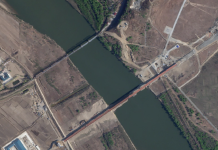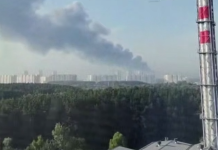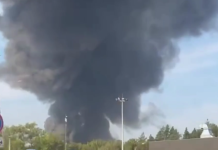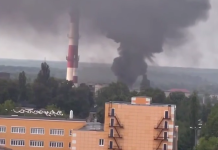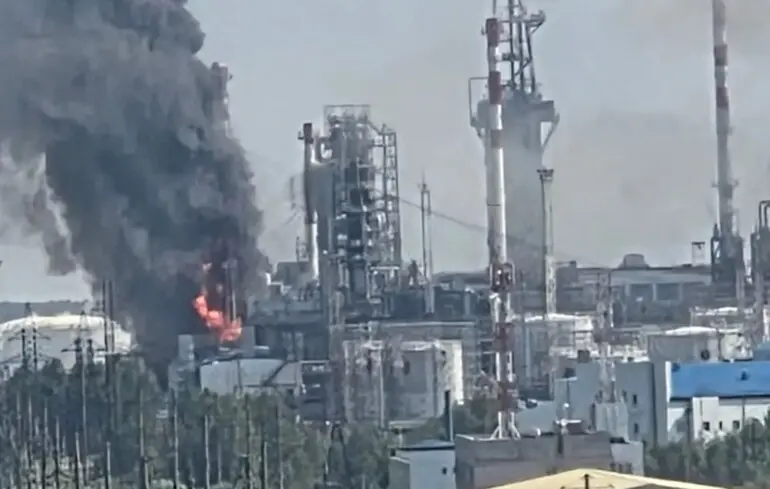
The Tyumen oil refinery in Western Siberia halted oil processing on 25 July following an attack by Ukrainian drones, two industry sources told Reuters. According to them, the strike caused fires at the diesel fuel hydrotreating unit and the high-octane petrol production unit. The agency’s sources did not specify when operations at the plant would resume.
Briefly about the main points
- The refinery ceased oil processing on 25 July.
- Fires broke out at two processing plants.
- We’re talking about diesel hydro-cleaning and high-octane petrol.
- It is not known when the oil refinery will resume operations.
- The strike could exacerbate the fuel shortage in Russia.
What is known about the suspension of operations at the company?
Two industry sources told Reuters on 28 July that processing had been suspended. They attributed the suspension to an attack by Ukrainian drones that had taken place three days earlier.
On 25 July, the local authorities reported a fire on the premises Tyumen Oil Refinery following a drone strike. The plant is situated more than 2,000 kilometres from the border with Ukraine.
There is no publicly available information on the extent of the damage, the duration of the repairs or the planned date for resuming operations. The plant itself has not issued any separate statement regarding the condition of its processing facilities.
Capacity and output of the Tyumen Oil Refinery
The refinery’s nominal capacity is around 9 million metric tonnes per year, or 180,000 barrels per day. According to industry estimates, it processes approximately 6 million tonnes of crude oil each year.
The plant produces approximately 0.5 million tonnes of petrol and 2.8 million tonnes of diesel fuel per year. For further context, it is known as the Antipinsky Refinery, although the plant itself also refers to it as the Tyumen Refinery.
Russia’s fuel market is already experiencing a shortage
The shutdown of the refinery could further exacerbate the situation on Russia’s domestic fuel market, where the shortage has been worsening since May amid intensified attacks on oil refineries.
According to the Associated Press, by the end of June, various restrictions on fuel sales were in place in more than half of Russia’s regions. In Siberia, particularly in the Omsk region, petrol sales were limited to 40 litres per car, whilst in the Irkutsk region there were reports of queues and acute shortages.
At the same time, the Russian authorities are imposing export restrictions. On 25 July, Russian Deputy Prime Minister Alexander Novak announced his intention to extend the ban on petrol exports until the end of 2026; Moscow was also considering possible fuel supplies from Kazakhstan.
Logistics is becoming a major constraint
The shutdown of a major refinery in Western Siberia could affect not only the overall volume of available petrol and diesel, but also the distribution of fuel to remote regions. The AP also linked the Russian fuel crisis to difficulties in quickly redeploying stocks to where they are needed.
This effect may be more pronounced during periods of high seasonal demand. Chris Weifer, an analyst at Macro-Advisory, described the start of the agricultural season as a critical point for the shortage; this is an expert assessment, rather than a forecast of the scale of the shortage following the shutdown of the Tyumen refinery specifically.