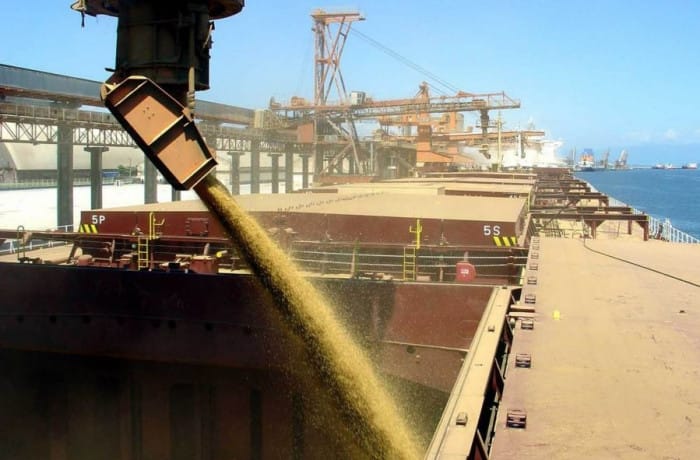
Russian Presidential Spokesman Dmitry Peskov called the delays of Russian grain carriers in Israel and Sweden a manifestation of piracy. He stressed that Moscow intends to defend its interests in these matters.
Delays of Russian grain carriers: the Kremlin's position
Press Secretary of the President of the Russian Federation Dmitry Peskov said that the cases of the detention of Russian grain carriers in Israel and Sweden can be regarded as «another stage of piracy». According to Russian media, Peskov confirmed that Moscow considers such actions a violation of its interests and intends to defend them.
The Kremlin spokesman stressed that the belonging of the Russian regions was obvious, and that the detention of the vessels, in his opinion, was part of politically motivated actions against Russia.
The situation in Israel and Sweden
On 30 April, a spokeswoman for the Association of Grain Importers of Israel Pnina Shalev reported that the importing company Centiper, at the request of Ukraine, had banned the Panormitis vessel with Russian with grain to unload in the port of Haifa. This was another example of international pressure on Russian exports.
In March, Sweden detained the Guinea-flagged Caffa vessel through Swedish territorial waters in the Baltic Sea. Ten of the 11 crew members have Russian citizenship. The official reasons for the detention were not disclosed, but the situation was widely reported in the Russian media.
Moscow's reaction and possible consequences
The Kremlin views such incidents as an attempt to limit Russian exports and put pressure on the Russian economy. According to Dmitry Peskov, Russia intends to persistently defend its interests in international ports and the global grain market.
Experts note that such delays could lead to further deterioration of relations between Russia and certain countries in Europe and the Middle East. At the same time, this creates additional risks for the global grain market.
Why it matters
Incidents with detention of Russian grain carriers could affect the stability of the global agricultural market. In recent months, the issue of food security has become increasingly important due to rising political tensions and logistical constraints.
The Kremlin's reaction shows that Russia views such actions as a threat to its economic interests. Further developments in this area could lead to new diplomatic conflicts and affect international grain trade.