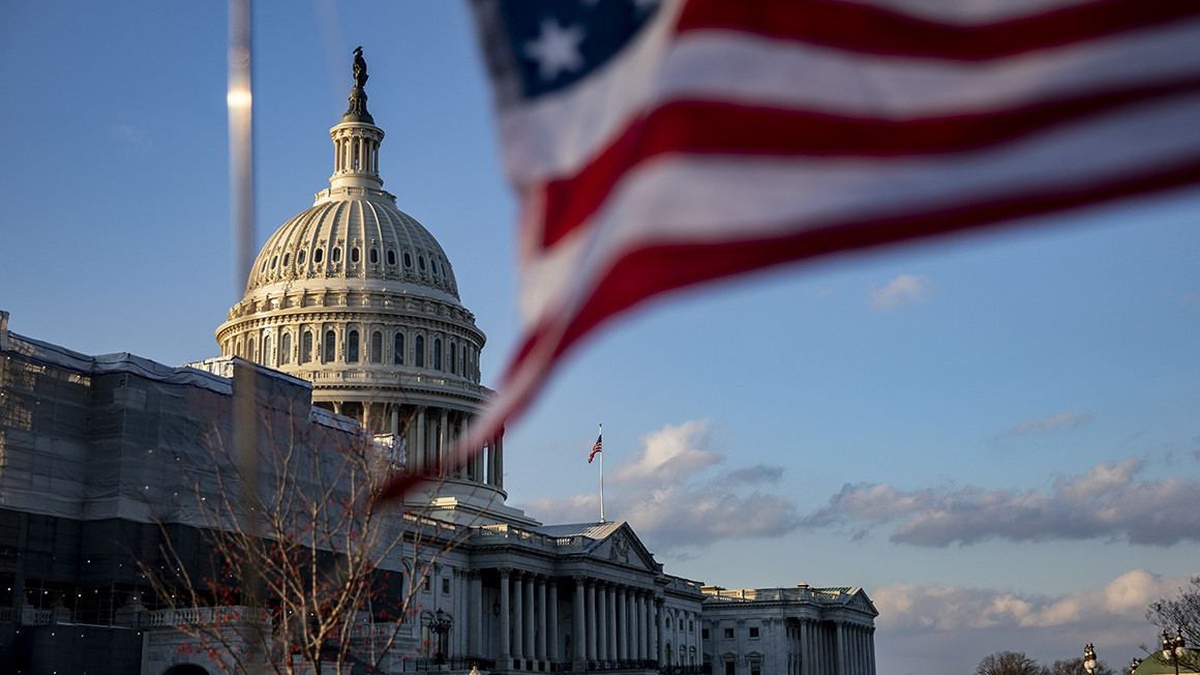
On 7 August, the US Senate approved a bill to tighten sanctions against Russia and Iran. It imposes mandatory restrictions on the Russian leadership, banks, and the defence and energy sectors, as well as tariffs of up to 100% on imports into the US from major buyers of Russian energy resources. The bill has yet to be considered by the House of Representatives.
Briefly about the main points
- The package covers the Russian leadership, banks, defence and energy companies.
- The pricing mechanism is aimed at the major markets for Russian oil and gas.
- Certain provisions relate to tankers belonging to Russia’s «shadow fleet».
- The Iranian bloc must maintain and extend the restrictions on funding for the energy and defence sectors.
- Once it has passed the House of Representatives, the bill will be sent to the US President.
Direct sanctions and the tariff mechanism
The draft bill, entitled Lindsey O. Graham Sanctioning Russia and Iran Act 2026 in honour of the late Republican senator Lindsay Graham, provides for sanctions against members of Russia’s political leadership, financial institutions, defence enterprises and companies in the energy sector. The restrictions may also be extended to individuals and entities that assist Moscow in circumventing existing sanctions.
Duties of up to 100% on goods imported into the US from countries that are major buyers of Russian oil and gas, or participants in schemes to conceal trade in energy resources, are to serve as a separate instrument. This potentially applies, in particular, to China, India and other major markets for Russian raw materials. Thus, the tariff mechanism is aimed at third countries, whilst direct sanctions target Russian entities.
The package includes measures against Russian tankers «shadow fleet», which Moscow is using to circumvent price caps and export oil. The section of the document relating to Iran is intended to maintain and extend restrictions on the financing of the country’s energy, missile and military sectors.
How the bill passed through the Senate and what happens next
At the end of July, 86 senators voted in favour of commencing consideration of the sanctions bill, whilst 12 voted against. The subsequent procedural motion received 84 votes in favour and 12 against; a threshold of 60 votes was set for the package to be passed. Following consideration of the amendments, the bill was put to a final vote on 7 August.
The sanctions provisions were technically incorporated into Bill H.R. 5334, which was used as the legislative basis. By mid-July, the agreed version of the bill had more than 60 co-sponsors from both parties, according to the Senate Committee on Foreign Relations.
The Senate’s approval does not introduce the new restrictions immediately. Due to significant changes, the House of Representatives must now consider the Senate’s version of H.R. 5334. If Members of Congress amend the text, both Houses must agree on the final version.
The House of Representatives may resume consideration of the bill in September. Once approved by Congress, the bill will be sent to President Donald Trump, who will be able to sign it into law or veto it. According to the Senate committee, the aim of the package is to reduce the revenue that Russia uses to fund its war against Ukraine.