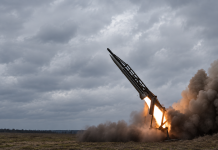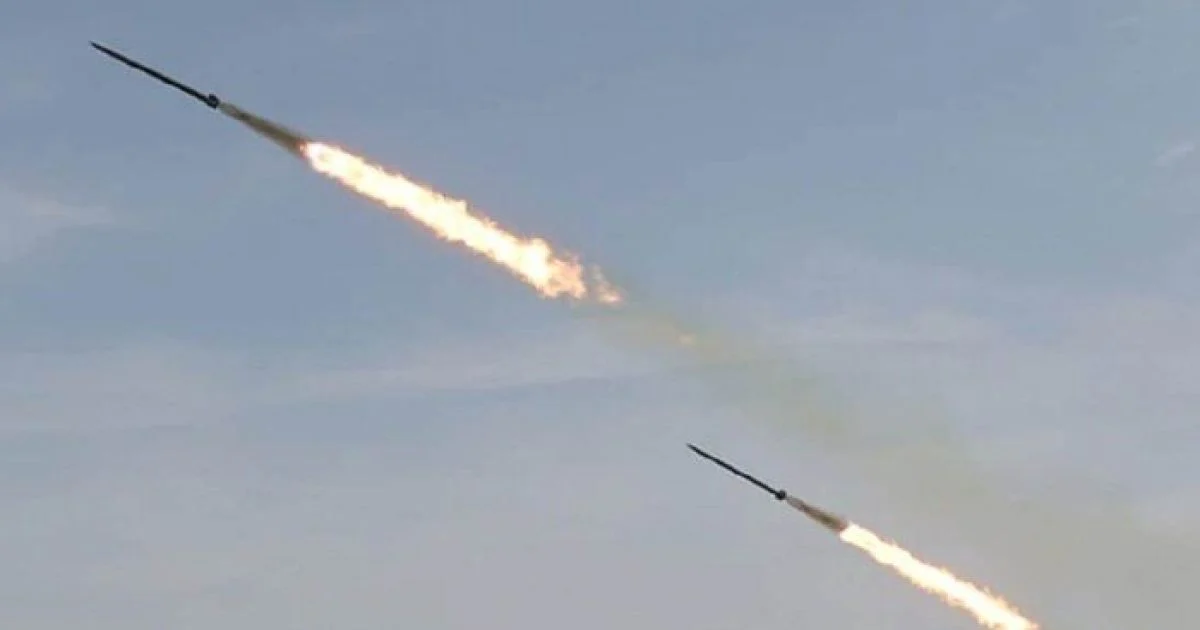
Russia may be stockpiling more advanced ballistic missiles for a new wave of massive strikes against Ukraine this winter, according to Bloomberg. Since August, Russian forces have noticeably altered the nature of their air strikes: they are making greater use of jet-powered drones and modified missiles, whilst conserving some of their «Iskander» missiles and other high-precision weapons. Ukraine’s energy and heating infrastructure remain among the main potential targets of the winter campaign.
- Russia may be stockpiling missiles for winter strikes.
- The main threat is ballistic missiles.
- Russia is making more active use of jet-powered drones.
- The energy sector could be hit hard.
- Ukraine is in desperate need of missiles for the Patriot system.
Russia may be holding back its «Iskander» missiles for the winter
Bloomberg highlights a change in Russian tactics ahead of the cold season. Recently, Moscow has stepped up its use of jet-powered attack drones, whilst the use of some ballistic missiles has declined. This may indicate that stocks are being built up in preparation for larger-scale strikes in the winter.
This assessment is partly corroborated by data from Reuters. The agency reported that Russia is making extensive use of converted training missiles RM48U, which are launched from S-400 systems. In July and early August, they accounted for more than half of the 228 recorded ballistic and hypersonic strikes.
The use of cheaper and less accurate missiles in this way allows Russia to avoid depleting its main reserves «Iskander» missiles, North Korean KN-23 missiles and other modern missiles.
An analyst at the British RUSI Siddharth Kaushal He stated outright that such tactics allow Moscow to conserve its more powerful missiles until winter, when Russia may intensify its ballistic missile campaign.
The number of Iskander launches had already been falling
According to Ukrainian data analysed by Reuters, Russia launched more than 100 «Iskander» missiles in June, whilst in July the number fell to 38. At the same time, the overall intensity of the air strikes has not diminished — Moscow has compensated for this with other types of missiles and a large number of drones.
Reuters also reports that Russia plans to increase production of the RM48U from around 200 units last year to 480 missiles in 2026. According to estimates by the Institute for the Study of War, Russia may have had around 100 «Iskander» missiles and around 400 RM48U missiles in stock as of August.
Consequently, Moscow can maintain a high rate of strikes whilst simultaneously stockpiling more precise weapons for specific, large-scale attacks.
Energy could become the main priority this winter
Bloomberg reports that in Ukraine getting ready for winter, which could turn out to be one of the fiercest battles since the full-scale war began.
The main concern is further attacks on power stations, substations, district heating networks and other critical infrastructure during periods of the lowest temperatures. Last winter, prolonged cold spells, combined with Russian attacks, had already led to power, heating and water supply disruptions lasting several days in a number of towns.
Reuters also notes that Russia is widely seen as preparing to strike critical infrastructure once again, in particular electricity and heating supply facilities.
Ukraine is short of Patriot missiles
Countering ballistic missiles remains the most challenging task.
Patriot is one of the key systems capable of intercepting Russian ballistic targets. Reuters reported that stocks of US interceptor missiles in Ukraine have fallen to critically low levels, whilst the timing of major new deliveries remains uncertain.
President Volodymyr Zelenskyy had previously told Ukraine’s allies that Ukraine needed «a »winter package’ comprising at least 300 missiles for the Patriot system. According to him, each such missile directly contributes to the ability to save lives during ballistic attacks.
Demand for the Patriot has also risen sharply in other parts of the world. Manufacturers are trying to increase PAC-3 production, but production capacity has not yet kept pace with global demand.
At the same time, Russia is developing a new threat — jet-powered drones
Apart from missiles, Russian … are becoming an increasingly serious problem jet-powered strike drones.
According to figures from the Ukrainian military cited by the BBC, the number of such attacks has risen sharply: from around 350 rocket-powered drones in June to 1,600 in July and around 2,800 in August.
They fly considerably faster than traditional Shaheds and place an additional strain on air defence systems.
Ukraine is already testing its own high-speed interceptors for such purposes. Zelenskyy has stated that the production of new systems to counter jet-powered drones must be accelerated as much as possible.
Thus, Russia’s potential winter campaign could combine massive waves of drones carrying out precision or indiscriminate ballistic strikes, in an attempt to overwhelm the Ukrainian air defence system.