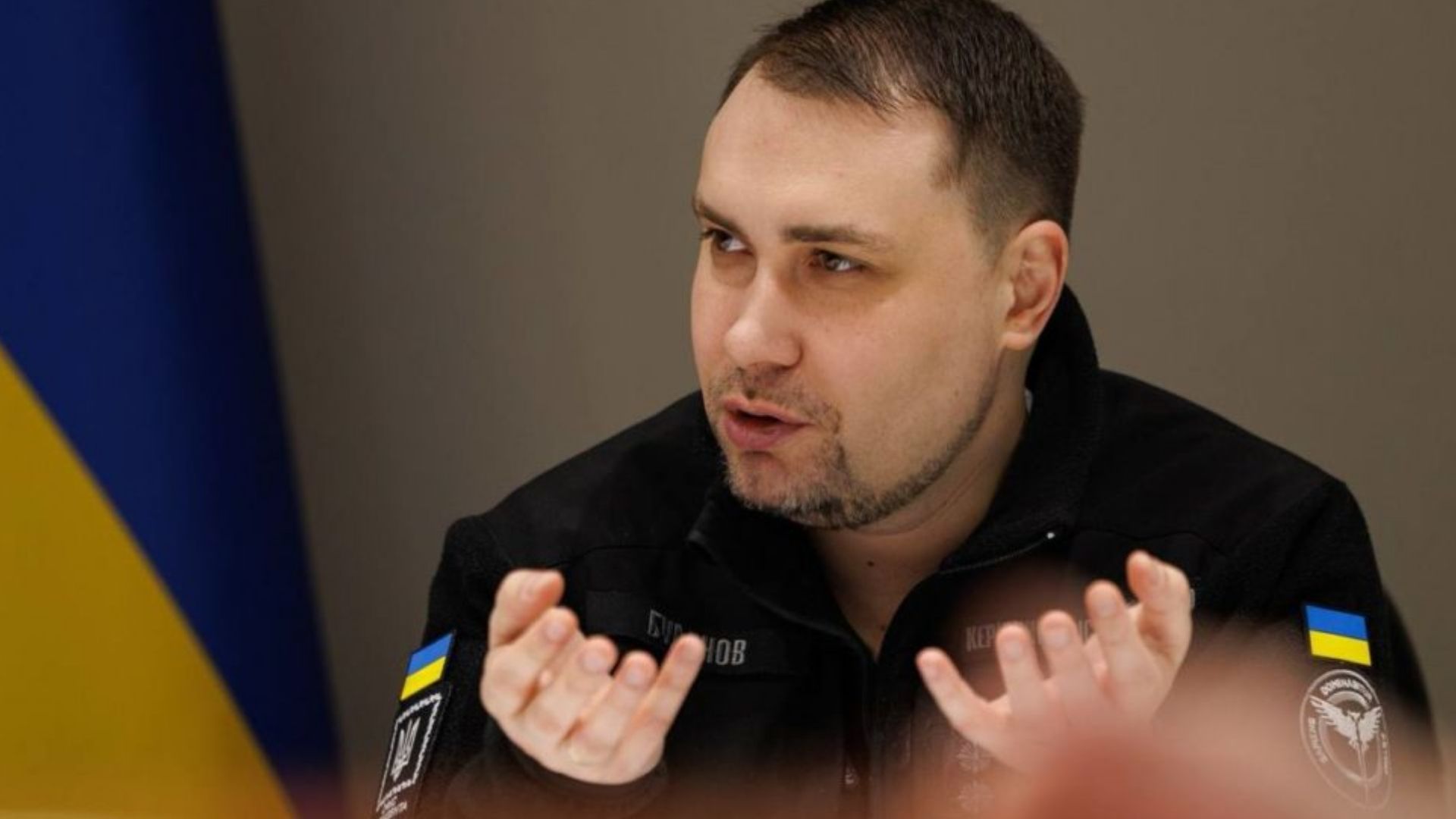
Ukraine’s long-range strikes on Russian territory are not intended to decide the outcome of the war on their own, but rather to systematically increase pressure on the enemy and reduce its ability to continue hostilities. This is how Realidade Militar describes the position of the Head of the President’s Office, Kyrylo Budanov. Budanov himself has previously emphasised that strikes deep behind enemy lines are effective when combined with actions on the front line and other means of exerting pressure on Moscow.
- Budanov explained the role of long-range strikes against Russia.
- Their main task is to step up the pressure on the enemy.
- Another area of focus is strikes against Russian oil infrastructure.
- If the war continues, the strikes may become more intense and powerful.
Long-range strikes — a means of exerting pressure
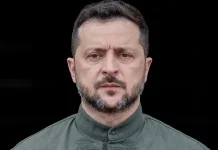
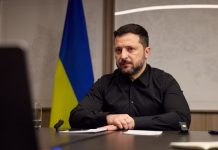
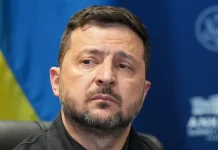
Kirill Budanov He explained that it would be wrong to regard strikes on targets far from the front line as a separate way of winning the war.
«Long-range strikes alone will not win the war.».
According to him, such operations serve as a means of support, influence and coercion. They are most effective when combined with conventional military operations and other means of exerting pressure on the enemy.
Later, Budanov also stated that Russia is already feeling the effects of Ukraine’s actions. He cited the situation in the Russian oil and gas sector as one of the most telling examples. At the same time, the head of the Presidential Office acknowledged that, even in the face of serious economic problems, Moscow still retains the capacity to continue the war, and so the pressure must be stepped up.
Oil refineries have become one of the key targets of the attacks
In September, the campaign against Russian oil infrastructure continued.
On 20 September, following the attack, processing was halted at The Moscow Oil Refinery. According to industry sources, fires broke out at two of the main primary processing plants, and repairs could take several weeks.
On 21–22 September, Ukrainian forces reported strikes on the «Bashneft-UNPZ» oil refinery in Ufa and the Kuibyshev oil refinery in Samara. Fires were reported at both facilities.
Later, the Novoshakhtinsk oil refinery in the Rostov Region was attacked, and a large factory in Perm. The Russian regional authorities confirmed that the Novoshakhtinsk plant had temporarily ceased operations. On 25–26 September, the Ilsky Oil Refinery in the Krasnodar Krai was also hit.
The rationale behind such operations lies not merely in causing physical damage to industrial facilities. Shutting down plant means repairs, a loss of production, the reorganisation of logistics and additional costs. Individual strikes are also forcing Russia to redeploy its air defence systems to protect targets far from the front line.
Budanov warned of an increase in the range of strikes
Budanov also stated that the nature of Ukrainian attacks would depend on Russia’s next moves.
During an interview with Latvian television, the head of the Presidential Office emphasised that if Moscow does not cease hostilities, Ukrainian strikes may become ever deeper and more powerful. He emphasised, however, that Ukraine is ready for cessation of hostilities, but not on the terms set out in the Russian ultimatum.
Kyiv therefore views the long-range campaign as one component of a broader strategy to put pressure on Russia — alongside the situation on the front line, sanctions and diplomatic efforts. Budanov himself cites the situation on the battlefield as the decisive factor, and strikes behind enemy lines as a means of further undermining Moscow’s ability to continue the war