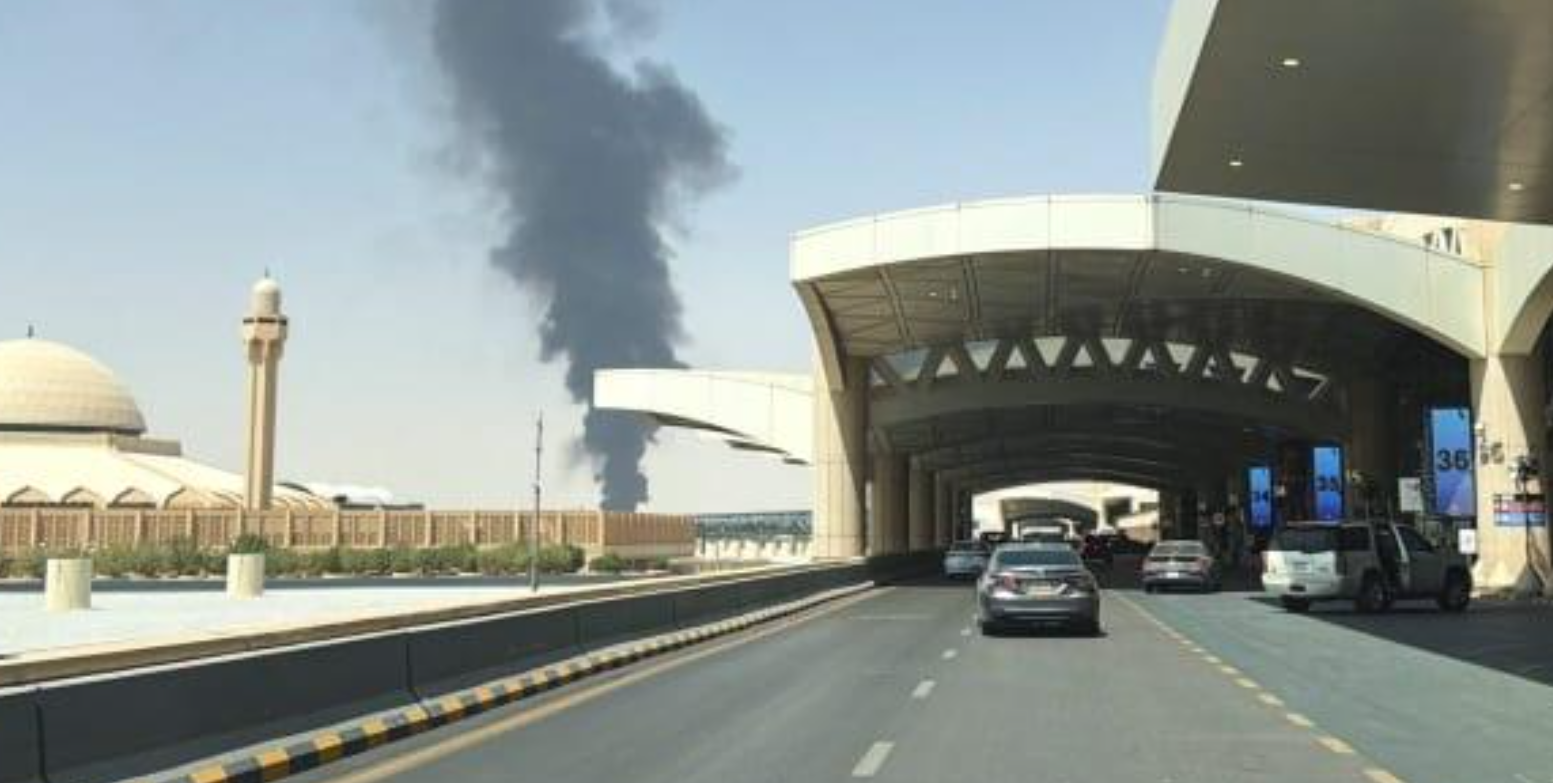
On 8 October, two explosions occurred at King Khalid International Airport in Riyadh, killing three Saudi Arabian nationals, and several people were injured, according to the General Authority of Civil Aviation of Saudi Arabia (GACA). The Houthis claimed responsibility for the attack, but the regulator did not publicly name the perpetrators or specify the type of weapons used.
Briefly about the main points
- GACA reported three deaths following two strikes on 8 October.
- A Saudia aircraft has been damaged; according to the airline, there were no passengers on board.
- On 8 October, more than 275 flights were cancelled; on 9 October, at least 124.
- The airport has resumed operations, but some airlines have retained restrictions.
The strikes damaged infrastructure and a Saudia aircraft
According to GACA, one strike hit the airport’s infrastructure and the other struck an aircraft belonging to the national carrier, Saudia. The Saudia Group confirmed that the captain was among the dead Hamoud Ali al-Kaltami.
The airline stated that the damaged aircraft was on the ground and there were no passengers on board. Reuters reported significant damage to the aircraft near the terminal, but the cause of the damage has not been publicly established.
The cancellation of flights lasted two days
According to FlightAware, on 8 October at the airport Riyadh More than 275 flights were cancelled. As of the afternoon of 9 October, the number of cancelled flights to and from Riyadh stood at at least 124 — this figure relates to the following day alone.
The Lufthansa Group has suspended flights to Riyadh until 16 October inclusive. Air India and Air India Express have cancelled flights to and from the city until 10 October, whilst Flydubai has also temporarily restricted its flights to the city. Pakistan International Airlines has announced the suspension of flights specifically to Riyadh.
The airport has resumed operations, but the risks remain
On 9 October, GACA announced the resumption of operations and the return to normal air traffic at the airport. However, this did not overturn certain decisions made by international airlines, which continued to adjust their timetables.
On 30 September, the European Aviation Safety Agency (EASA) issued a current risk warning regarding Saudi Arabian airspace. The document mentions the possibility of strikes, particularly near Riyadh, and recommends that EASA operators refrain from flying in the specified area at all altitudes.